
About This Book
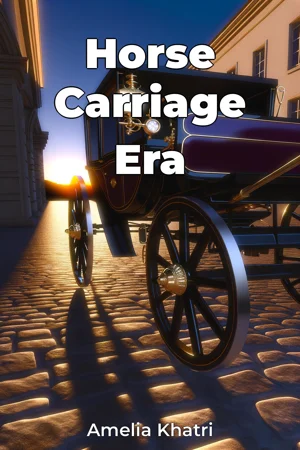
The thundering hooves and creaking wheels of horse-drawn carriages once dominated city streets and country roads alike, shaping not just transportation but the very fabric of human civilization from the 1700s through the early 1900s. "Horse Carriage Era" presents a detailed examination of how these elegant vehicles revolutionized mobility and served as powerful symbols of social status across continents. This comprehensive study traces the evolution of horse-drawn transportation from basic carts to sophisticated carriages, exploring both the mechanical innovations and social implications of this transformative period. The book demonstrates how carriage design and manufacturing techniques advanced alongside changes in urban planning, social hierarchy, and economic development. Through three main sections, readers journey from the technical aspects of carriage construction to the complex social dynamics of carriage ownership. The first section details the craftsmanship involved, from wheelwright techniques to specialized suspension systems, drawing on preserved manufacturing records and restored vehicles from prominent collections worldwide. The second explores the carriage trade's impact on urban development, examining how cities adapted their infrastructure to accommodate these vehicles. The final section analyzes how carriages influenced social mobility and status expression across different societies. The narrative weaves together archival records, period photographs, and architectural evidence to reconstruct the golden age of horse-drawn transportation. Primary sources include carriage makers' ledgers, city planning documents, and personal correspondence from both carriage owners and workers within the industry. This research reveals how the carriage trade created interconnected networks of craftsmen, from blacksmiths to upholsterers, forming a crucial economic sector in pre-industrial societies. The book makes significant connections between transportation history, social economics, and urban development. It demonstrates how carriage design influenced modern automotive engineering and how historical transportation networks shaped current city layouts. The text maintains an analytical tone while incorporating narrative elements that bring historical figures and events to life. Particular attention is paid to technological developments that improved carriage efficiency and comfort, including advances in suspension systems, wheel design, and manufacturing processes. The book examines how these innovations paralleled and sometimes preceded developments in other industrial sectors, highlighting the carriage industry's role in driving technological progress. Written for history enthusiasts, urban planners, and transportation scholars, this work provides insights relevant to modern discussions about transportation infrastructure and social equity. The research challenges common assumptions about pre-industrial transportation, revealing sophisticated networks of manufacturing and service industries that supported the carriage trade. The book addresses ongoing debates about the transition from horse-drawn to motorized transport, offering fresh perspectives on this pivotal period. It examines how different societies adapted to and resisted these changes, providing lessons applicable to current transportation transitions. While focusing primarily on Europe and North America, the text acknowledges regional variations in carriage culture and design. It explores how local conditions, from climate to social customs, influenced carriage development and use across different regions. The work concludes by examining the legacy of the horse-drawn era in modern transportation systems, urban planning, and social structures. It demonstrates how understanding this historical period provides valuable context for current discussions about sustainable transportation and urban development.
The thundering hooves and creaking wheels of horse-drawn carriages once dominated city streets and country roads alike, shaping not just transportation but the very fabric of human civilization from the 1700s through the early 1900s. "Horse Carriage Era" presents a detailed examination of how these elegant vehicles revolutionized mobility and served as powerful symbols of social status across continents. This comprehensive study traces the evolution of horse-drawn transportation from basic carts to sophisticated carriages, exploring both the mechanical innovations and social implications of this transformative period. The book demonstrates how carriage design and manufacturing techniques advanced alongside changes in urban planning, social hierarchy, and economic development. Through three main sections, readers journey from the technical aspects of carriage construction to the complex social dynamics of carriage ownership. The first section details the craftsmanship involved, from wheelwright techniques to specialized suspension systems, drawing on preserved manufacturing records and restored vehicles from prominent collections worldwide. The second explores the carriage trade's impact on urban development, examining how cities adapted their infrastructure to accommodate these vehicles. The final section analyzes how carriages influenced social mobility and status expression across different societies. The narrative weaves together archival records, period photographs, and architectural evidence to reconstruct the golden age of horse-drawn transportation. Primary sources include carriage makers' ledgers, city planning documents, and personal correspondence from both carriage owners and workers within the industry. This research reveals how the carriage trade created interconnected networks of craftsmen, from blacksmiths to upholsterers, forming a crucial economic sector in pre-industrial societies. The book makes significant connections between transportation history, social economics, and urban development. It demonstrates how carriage design influenced modern automotive engineering and how historical transportation networks shaped current city layouts. The text maintains an analytical tone while incorporating narrative elements that bring historical figures and events to life. Particular attention is paid to technological developments that improved carriage efficiency and comfort, including advances in suspension systems, wheel design, and manufacturing processes. The book examines how these innovations paralleled and sometimes preceded developments in other industrial sectors, highlighting the carriage industry's role in driving technological progress. Written for history enthusiasts, urban planners, and transportation scholars, this work provides insights relevant to modern discussions about transportation infrastructure and social equity. The research challenges common assumptions about pre-industrial transportation, revealing sophisticated networks of manufacturing and service industries that supported the carriage trade. The book addresses ongoing debates about the transition from horse-drawn to motorized transport, offering fresh perspectives on this pivotal period. It examines how different societies adapted to and resisted these changes, providing lessons applicable to current transportation transitions. While focusing primarily on Europe and North America, the text acknowledges regional variations in carriage culture and design. It explores how local conditions, from climate to social customs, influenced carriage development and use across different regions. The work concludes by examining the legacy of the horse-drawn era in modern transportation systems, urban planning, and social structures. It demonstrates how understanding this historical period provides valuable context for current discussions about sustainable transportation and urban development.
"Horse Carriage Era" masterfully chronicles the transformative period of horse-drawn transportation from the 1700s through early 1900s, revealing how these vehicles shaped not just mobility but entire societies. The book explores the intricate relationship between carriage development and urban evolution, demonstrating how this mode of transport influenced everything from city planning to social hierarchies during the Industrial Revolution. Through a well-structured narrative divided into three main sections, the book first delves into the technical mastery of carriage manufacturing, examining the sophisticated craftsmanship of wheelwrights and the innovation of suspension systems. The exploration then shifts to urban development, showing how cities reconstructed themselves to accommodate horse-drawn vehicles, before culminating in a fascinating analysis of carriages as symbols of social status and mobility. Drawing from rich primary sources, including carriage makers' ledgers and city planning documents, the text brings this pivotal era to life. What sets this work apart is its comprehensive examination of how the carriage industry created vast networks of specialized craftsmen and influenced modern automotive engineering. The book expertly weaves together technological advancement, social history, and urban development, making it invaluable for both history enthusiasts and scholars. By analyzing regional variations across Europe and North America and connecting historical patterns to contemporary transportation challenges, the work offers relevant insights for modern urban planning and sustainable transportation discussions.
Book Details
ISBN
9788233958480
Publisher
Publifye AS
Your Licenses
You don't own any licenses for this book
Purchase a license below to unlock this book and download the EPUB.
Purchase License
Select a tier to unlock this book
Need bulk licensing?
Contact us for enterprise agreements.