
About This Book
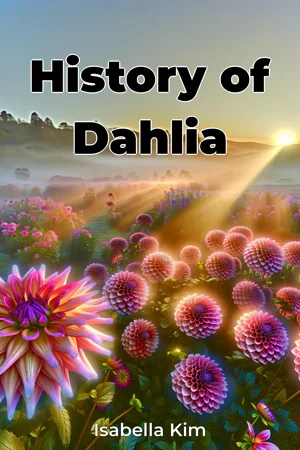
From ancient Aztec gardens to modern flower shows, "History of Dahlia" traces the remarkable journey of one of horticulture's most versatile flowers through centuries of cultivation, breeding, and botanical discovery. This comprehensive exploration begins with the dahlia's origins in the highlands of Mexico, where it held both ornamental and practical value in pre-Columbian societies. The book chronicles three major periods in dahlia cultivation: its pre-European discovery and use by indigenous peoples, its introduction to European gardens in the late 18th century, and its transformation into the diverse ornamental varieties we know today. Through careful examination of historical records, botanical manuscripts, and horticultural journals, readers gain insight into how this tuberous plant became a cornerstone of ornamental gardening. Central to the narrative is the dahlia's role in advancing our understanding of plant genetics and hybridization. The book details how early botanists and gardeners discovered the flower's unusual ability to produce new colors and forms, leading to groundbreaking studies in plant breeding. These discoveries not only revolutionized dahlia cultivation but also contributed to broader advances in horticultural science. The text is structured chronologically, beginning with the dahlia's ecological role in its native habitat and its utilization by indigenous peoples for food, medicine, and ceremony. Subsequent chapters explore the Spanish expeditions that first documented the flower, its journey to European botanical gardens, and the intense period of hybridization that followed. The final sections examine modern cultivation techniques, current breeding programs, and the dahlia's place in contemporary garden design. Drawing from botanical archives, historical documents, and current research, the book presents verifiable evidence of the dahlia's influence on both horticultural practices and cultural traditions. Notable attention is given to the work of pioneering botanists, including Anders Dahl (for whom the flower is named), and the contributions of various national dahlia societies worldwide. The narrative connects multiple disciplines, linking botany with cultural anthropology, agricultural history, and the development of modern plant science. These intersections provide readers with a rich context for understanding how a single plant species can influence multiple aspects of human knowledge and culture. Written in an accessible scholarly style, the book serves both experienced gardeners and botanical historians. It includes detailed information about cultivation techniques, species identification, and breeding methods, while maintaining analytical rigor in its historical research. The work is particularly valuable for horticulturists, garden historians, and botanical enthusiasts seeking to understand the development of modern ornamental plant breeding. It also appeals to those interested in the cultural exchange between the Americas and Europe during the age of exploration. While focusing primarily on the botanical and historical aspects, the book acknowledges current debates about plant conservation and genetic diversity in cultivated species. It addresses concerns about maintaining heirloom varieties while embracing modern breeding techniques. The practical aspects of dahlia cultivation are integrated throughout, allowing readers to apply historical lessons to contemporary gardening practices. This includes guidance on tuber storage, propagation methods, and pest management, all informed by centuries of accumulated knowledge.
From ancient Aztec gardens to modern flower shows, "History of Dahlia" traces the remarkable journey of one of horticulture's most versatile flowers through centuries of cultivation, breeding, and botanical discovery. This comprehensive exploration begins with the dahlia's origins in the highlands of Mexico, where it held both ornamental and practical value in pre-Columbian societies. The book chronicles three major periods in dahlia cultivation: its pre-European discovery and use by indigenous peoples, its introduction to European gardens in the late 18th century, and its transformation into the diverse ornamental varieties we know today. Through careful examination of historical records, botanical manuscripts, and horticultural journals, readers gain insight into how this tuberous plant became a cornerstone of ornamental gardening. Central to the narrative is the dahlia's role in advancing our understanding of plant genetics and hybridization. The book details how early botanists and gardeners discovered the flower's unusual ability to produce new colors and forms, leading to groundbreaking studies in plant breeding. These discoveries not only revolutionized dahlia cultivation but also contributed to broader advances in horticultural science. The text is structured chronologically, beginning with the dahlia's ecological role in its native habitat and its utilization by indigenous peoples for food, medicine, and ceremony. Subsequent chapters explore the Spanish expeditions that first documented the flower, its journey to European botanical gardens, and the intense period of hybridization that followed. The final sections examine modern cultivation techniques, current breeding programs, and the dahlia's place in contemporary garden design. Drawing from botanical archives, historical documents, and current research, the book presents verifiable evidence of the dahlia's influence on both horticultural practices and cultural traditions. Notable attention is given to the work of pioneering botanists, including Anders Dahl (for whom the flower is named), and the contributions of various national dahlia societies worldwide. The narrative connects multiple disciplines, linking botany with cultural anthropology, agricultural history, and the development of modern plant science. These intersections provide readers with a rich context for understanding how a single plant species can influence multiple aspects of human knowledge and culture. Written in an accessible scholarly style, the book serves both experienced gardeners and botanical historians. It includes detailed information about cultivation techniques, species identification, and breeding methods, while maintaining analytical rigor in its historical research. The work is particularly valuable for horticulturists, garden historians, and botanical enthusiasts seeking to understand the development of modern ornamental plant breeding. It also appeals to those interested in the cultural exchange between the Americas and Europe during the age of exploration. While focusing primarily on the botanical and historical aspects, the book acknowledges current debates about plant conservation and genetic diversity in cultivated species. It addresses concerns about maintaining heirloom varieties while embracing modern breeding techniques. The practical aspects of dahlia cultivation are integrated throughout, allowing readers to apply historical lessons to contemporary gardening practices. This includes guidance on tuber storage, propagation methods, and pest management, all informed by centuries of accumulated knowledge.
"History of Dahlia" presents a fascinating journey through time, tracing the evolution of one of horticulture's most beloved flowers from its origins in Mexican highlands to its status as a global garden favorite. This comprehensive exploration weaves together botanical science, cultural history, and practical gardening knowledge, revealing how the dahlia transformed from a practical plant used by the Aztecs for food and medicine into the stunning ornamental varieties we cherish today. The book masterfully chronicles three distinct eras: the pre-European period where indigenous peoples cultivated dahlias, its revolutionary introduction to European gardens in the late 18th century, and its subsequent transformation through intensive breeding programs. Readers will discover intriguing insights about Anders Dahl, the botanist who gave the flower its name, and learn how the dahlia's unique ability to produce new colors and forms led to groundbreaking developments in plant genetics and hybridization. Progressing chronologically through carefully researched chapters, the book combines historical documentation with practical cultivation advice, making it valuable for both garden enthusiasts and botanical historians. While exploring centuries of dahlia development, it also addresses modern concerns about genetic diversity and heirloom preservation, offering practical guidance on cultivation techniques like tuber storage and propagation methods. This blend of historical insight and practical application makes it an essential resource for anyone interested in the intersection of gardening history and contemporary horticulture.
Book Details
ISBN
9788233958473
Publisher
Publifye AS
Your Licenses
You don't own any licenses for this book
Purchase a license below to unlock this book and download the EPUB.
Purchase License
Select a tier to unlock this book
Need bulk licensing?
Contact us for enterprise agreements.