
About This Book
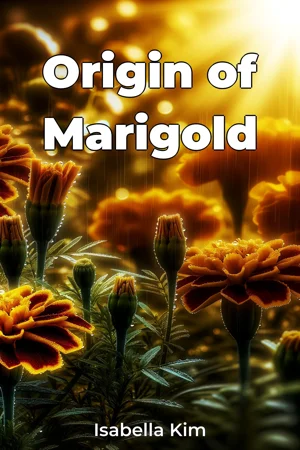
From sacred Aztec rituals to modern therapeutic gardens, marigolds have woven a vibrant thread through human civilization for over two millennia. "Origin of Marigold" traces the journey of this resilient flower from its ancient Mexican roots to its current status as a global cultural icon and garden staple. The book presents three interconnected narratives: the botanical evolution of marigold species across continents, their deep-rooted cultural significance in various societies, and their practical applications in both traditional and contemporary settings. Through careful examination of archaeological records, historical documents, and botanical research, readers discover how this humble flower became integral to human ceremonies, medicine, and agriculture. Beginning with the marigold's origins in the Americas, the text explores how pre-Columbian civilizations first cultivated these flowers for both practical and spiritual purposes. The Aztecs' sophisticated understanding of marigolds' medicinal properties and their role in religious ceremonies provides the foundation for understanding the plant's early significance. The book then follows the flower's journey across the Atlantic during the Spanish conquest, documenting its rapid adoption into European gardens and folk traditions. Central to the work is the examination of marigolds' roles in various cultural practices. From India's use of marigolds in religious ceremonies and wedding celebrations to Mexican Day of the Dead traditions, the book demonstrates how this flower transcends cultural boundaries while maintaining distinct significance within each society. The text is supported by extensive ethnobotanical research, including interviews with traditional practitioners and analysis of ancient texts. The book dedicates substantial attention to the horticultural aspects of marigolds, detailing their cultivation methods across different climates and their natural pest-deterrent properties. This practical knowledge is enhanced by current scientific research on marigolds' biochemical properties and their applications in organic farming and sustainable gardening practices. Drawing from disciplines including anthropology, botany, and agricultural science, the work establishes connections between traditional knowledge and modern applications. The book presents compelling evidence for marigolds' continued relevance in contemporary contexts, from natural fabric dyes to companion planting strategies. Written in an accessible scholarly style, the text balances academic rigor with engaging narratives, making it valuable for both researchers and garden enthusiasts. Each chapter builds upon historical foundations while incorporating current research and practical applications, creating a comprehensive resource for understanding marigolds' past, present, and potential future roles. The work is particularly relevant for gardeners, ethnobotanists, and cultural historians, offering detailed cultivation guides alongside scholarly analysis. While focusing primarily on the most commonly known species, the book acknowledges the broader Tagetes genus and its varied members. Readers will find practical guidance for incorporating marigolds into their own gardens, understanding their seasonal care requirements, and utilizing them for both ornamental and practical purposes. The text addresses current debates in sustainable agriculture and the role of traditional knowledge in modern gardening practices, while maintaining a balanced perspective on various cultivation methods. This thorough examination of marigolds demonstrates how a single plant species can illuminate broader patterns of human cultural exchange, agricultural development, and the ongoing relationship between people and plants across time and geography.
From sacred Aztec rituals to modern therapeutic gardens, marigolds have woven a vibrant thread through human civilization for over two millennia. "Origin of Marigold" traces the journey of this resilient flower from its ancient Mexican roots to its current status as a global cultural icon and garden staple. The book presents three interconnected narratives: the botanical evolution of marigold species across continents, their deep-rooted cultural significance in various societies, and their practical applications in both traditional and contemporary settings. Through careful examination of archaeological records, historical documents, and botanical research, readers discover how this humble flower became integral to human ceremonies, medicine, and agriculture. Beginning with the marigold's origins in the Americas, the text explores how pre-Columbian civilizations first cultivated these flowers for both practical and spiritual purposes. The Aztecs' sophisticated understanding of marigolds' medicinal properties and their role in religious ceremonies provides the foundation for understanding the plant's early significance. The book then follows the flower's journey across the Atlantic during the Spanish conquest, documenting its rapid adoption into European gardens and folk traditions. Central to the work is the examination of marigolds' roles in various cultural practices. From India's use of marigolds in religious ceremonies and wedding celebrations to Mexican Day of the Dead traditions, the book demonstrates how this flower transcends cultural boundaries while maintaining distinct significance within each society. The text is supported by extensive ethnobotanical research, including interviews with traditional practitioners and analysis of ancient texts. The book dedicates substantial attention to the horticultural aspects of marigolds, detailing their cultivation methods across different climates and their natural pest-deterrent properties. This practical knowledge is enhanced by current scientific research on marigolds' biochemical properties and their applications in organic farming and sustainable gardening practices. Drawing from disciplines including anthropology, botany, and agricultural science, the work establishes connections between traditional knowledge and modern applications. The book presents compelling evidence for marigolds' continued relevance in contemporary contexts, from natural fabric dyes to companion planting strategies. Written in an accessible scholarly style, the text balances academic rigor with engaging narratives, making it valuable for both researchers and garden enthusiasts. Each chapter builds upon historical foundations while incorporating current research and practical applications, creating a comprehensive resource for understanding marigolds' past, present, and potential future roles. The work is particularly relevant for gardeners, ethnobotanists, and cultural historians, offering detailed cultivation guides alongside scholarly analysis. While focusing primarily on the most commonly known species, the book acknowledges the broader Tagetes genus and its varied members. Readers will find practical guidance for incorporating marigolds into their own gardens, understanding their seasonal care requirements, and utilizing them for both ornamental and practical purposes. The text addresses current debates in sustainable agriculture and the role of traditional knowledge in modern gardening practices, while maintaining a balanced perspective on various cultivation methods. This thorough examination of marigolds demonstrates how a single plant species can illuminate broader patterns of human cultural exchange, agricultural development, and the ongoing relationship between people and plants across time and geography.
"Origin of Marigold" presents a fascinating journey through time, tracing the remarkable story of one of the world's most versatile and culturally significant flowers. From its ancient beginnings in Mexico to its current status as a global garden favorite, this comprehensive exploration reveals how marigolds have profoundly influenced human civilization through medicine, ceremonies, and agriculture for over two thousand years. The book masterfully weaves together three primary narratives: the flower's botanical evolution, its rich cultural heritage, and its practical applications across different societies. Readers discover how the Aztecs first recognized marigolds' medicinal properties and incorporated them into religious ceremonies, before Spanish conquistadors brought these vibrant blooms to Europe. The text illuminates fascinating details about marigolds' role in various cultural traditions, from Indian wedding celebrations to Mexican Day of the Dead observances, demonstrating the flower's remarkable ability to transcend cultural boundaries while maintaining unique significance in each society. Moving from historical significance to practical application, the book provides detailed guidance on cultivation methods, sustainable gardening practices, and natural pest control techniques. Drawing from anthropology, botany, and agricultural science, it bridges traditional knowledge with modern applications, making it an invaluable resource for both academic researchers and home gardeners. The accessible scholarly approach ensures that complex botanical concepts are presented in an engaging and comprehensible manner, while maintaining scientific accuracy throughout its carefully structured chapters.
Book Details
ISBN
9788233958442
Publisher
Publifye AS
Your Licenses
You don't own any licenses for this book
Purchase a license below to unlock this book and download the EPUB.
Purchase License
Select a tier to unlock this book
Need bulk licensing?
Contact us for enterprise agreements.