
About This Book
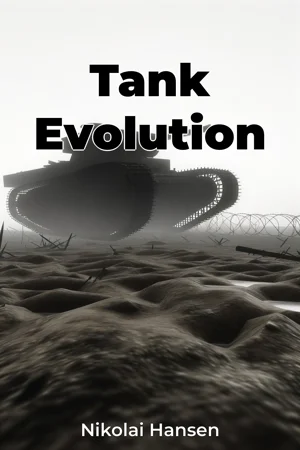
From the first battlefield deployment of the Mark I tank at the Somme in 1916 to today's advanced main battle tanks, "Tank Evolution" traces the technological journey that revolutionized modern warfare and continues to shape military doctrine worldwide. This comprehensive analysis examines the intricate relationship between technological advancement and military strategy through the lens of tank development. The book presents three core themes: the engineering progression of armored vehicles, the tactical evolution of mechanized warfare, and the strategic impact of tanks on military planning and international conflicts. Beginning with the challenges of trench warfare in World War I, the narrative follows the rapid development of tanks from crude, unreliable machines to sophisticated weapons platforms. The book details how engineers tackled fundamental problems of mobility, protection, and firepower, leading to innovations in track design, armor composition, and weapons systems that define modern tanks. The text systematically explores major technological breakthroughs, including the introduction of sloped armor, the development of composite materials, and the integration of advanced fire control systems. Each advancement is examined within its historical context, supported by technical specifications, battlefield reports, and archived engineering documents from major tank-producing nations. Critical attention is given to pivotal moments in tank warfare, such as the Battle of Kursk, which demonstrated the importance of balanced design philosophy and influenced future tank development. The book analyzes how different nations approached tank design based on their strategic needs, industrial capabilities, and military doctrine. The work connects mechanical engineering principles with military strategy, showing how technological capabilities influence tactical decisions and strategic planning. It examines the relationship between tank design and combined arms doctrine, demonstrating how advances in one area necessitate evolution in the other. Through detailed case studies of significant tank battles, the book illustrates how technological advantages translated to battlefield success or failure. These analyses are supported by technical drawings, performance data, and after-action reports that provide empirical evidence for the book's conclusions. The final sections address current trends in tank development, including active protection systems, unmanned turrets, and digital battlefield integration. The book evaluates how these technologies may influence future conflicts and military organization. Written in a technical yet accessible style, "Tank Evolution" serves multiple audiences: military professionals will find detailed technical analysis, historians will appreciate the contextual framework, and engineering students will benefit from the practical applications of mechanical principles. The work maintains objective analysis throughout, addressing controversies such as the ongoing debate between heavy armor and mobility, and the role of tanks in modern asymmetric warfare. It avoids nationalist biases common in military literature, instead focusing on technical merits and battlefield results. This book fills a crucial gap in military engineering literature by combining technical detail with strategic analysis, making it valuable for both professional reference and academic study. It provides essential knowledge for understanding both historical conflicts and current military capabilities, while offering insights into the future of armored warfare. Limitations are clearly stated, particularly regarding classified current technologies and ongoing development programs. The focus remains on verifiable technical data and documented historical events, providing a solid foundation for understanding tank development and its military applications.
From the first battlefield deployment of the Mark I tank at the Somme in 1916 to today's advanced main battle tanks, "Tank Evolution" traces the technological journey that revolutionized modern warfare and continues to shape military doctrine worldwide. This comprehensive analysis examines the intricate relationship between technological advancement and military strategy through the lens of tank development. The book presents three core themes: the engineering progression of armored vehicles, the tactical evolution of mechanized warfare, and the strategic impact of tanks on military planning and international conflicts. Beginning with the challenges of trench warfare in World War I, the narrative follows the rapid development of tanks from crude, unreliable machines to sophisticated weapons platforms. The book details how engineers tackled fundamental problems of mobility, protection, and firepower, leading to innovations in track design, armor composition, and weapons systems that define modern tanks. The text systematically explores major technological breakthroughs, including the introduction of sloped armor, the development of composite materials, and the integration of advanced fire control systems. Each advancement is examined within its historical context, supported by technical specifications, battlefield reports, and archived engineering documents from major tank-producing nations. Critical attention is given to pivotal moments in tank warfare, such as the Battle of Kursk, which demonstrated the importance of balanced design philosophy and influenced future tank development. The book analyzes how different nations approached tank design based on their strategic needs, industrial capabilities, and military doctrine. The work connects mechanical engineering principles with military strategy, showing how technological capabilities influence tactical decisions and strategic planning. It examines the relationship between tank design and combined arms doctrine, demonstrating how advances in one area necessitate evolution in the other. Through detailed case studies of significant tank battles, the book illustrates how technological advantages translated to battlefield success or failure. These analyses are supported by technical drawings, performance data, and after-action reports that provide empirical evidence for the book's conclusions. The final sections address current trends in tank development, including active protection systems, unmanned turrets, and digital battlefield integration. The book evaluates how these technologies may influence future conflicts and military organization. Written in a technical yet accessible style, "Tank Evolution" serves multiple audiences: military professionals will find detailed technical analysis, historians will appreciate the contextual framework, and engineering students will benefit from the practical applications of mechanical principles. The work maintains objective analysis throughout, addressing controversies such as the ongoing debate between heavy armor and mobility, and the role of tanks in modern asymmetric warfare. It avoids nationalist biases common in military literature, instead focusing on technical merits and battlefield results. This book fills a crucial gap in military engineering literature by combining technical detail with strategic analysis, making it valuable for both professional reference and academic study. It provides essential knowledge for understanding both historical conflicts and current military capabilities, while offering insights into the future of armored warfare. Limitations are clearly stated, particularly regarding classified current technologies and ongoing development programs. The focus remains on verifiable technical data and documented historical events, providing a solid foundation for understanding tank development and its military applications.
"Tank Evolution" presents a comprehensive journey through the technological advancement of armored warfare, from the pioneering Mark I tank's debut at the Somme in 1916 to today's sophisticated main battle tanks. The book expertly weaves together three fundamental aspects: engineering developments in armored vehicles, the evolution of mechanized warfare tactics, and the strategic impact of tanks on military planning. Through detailed analysis of pivotal moments like the Battle of Kursk, readers gain insight into how technological capabilities directly influenced battlefield outcomes. The narrative systematically explores major breakthroughs in tank design, including the development of sloped armor, composite materials, and advanced fire control systems. Each innovation is examined within its historical context, supported by technical specifications and battlefield reports from various nations. The book stands out for its balanced approach, avoiding nationalist biases while offering detailed technical analysis of how different countries approached tank design based on their unique strategic needs and industrial capabilities. Written in an accessible yet technically precise style, the book progresses chronologically through major conflicts and technological milestones, culminating in an examination of current trends such as active protection systems and digital battlefield integration. What makes this work particularly valuable is its successful integration of mechanical engineering principles with military strategy, making it relevant for multiple audiences, from military professionals to engineering students. The author maintains objectivity throughout, addressing controversial topics like the balance between armor and mobility while backing conclusions with empirical evidence and documented historical events.
Book Details
ISBN
9788233958428
Publisher
Publifye AS
Your Licenses
You don't own any licenses for this book
Purchase a license below to unlock this book and download the EPUB.
Purchase License
Select a tier to unlock this book
Need bulk licensing?
Contact us for enterprise agreements.