
About This Book
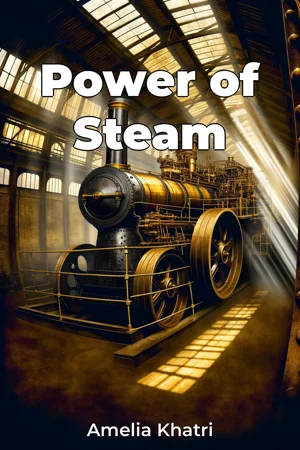
"Power of Steam" begins by transporting readers to a pivotal moment in human history when James Watt's improved steam engine design in 1769 set in motion a cascade of innovations that would reshape the world. This comprehensive examination traces how steam power served as the driving force behind the Industrial Revolution, fundamentally altering both the pace and possibilities of human achievement. The book presents three core themes: the technical evolution of steam engine technology, the widespread implementation of steam power across industries, and the socioeconomic impact of this revolutionary power source. Through detailed technical illustrations and historical records, readers gain insight into how early inventors and engineers transformed theoretical understanding of steam power into practical applications. The narrative unfolds chronologically, beginning with early atmospheric engines and progressing through various technological breakthroughs. The first section explores the fundamental principles of steam power, examining the work of pioneers like Thomas Newcomen and James Watt. Technical concepts are explained through accessible language, making complex mechanical principles understandable to both engineering enthusiasts and general readers. Central to the book's argument is how steam power created a crucial bridge between human ingenuity and industrial capability. The second section demonstrates how steam engines overcame the limitations of water wheels and animal power, enabling factories to operate independently of geographic constraints. This transformation is documented through case studies of textile mills, mining operations, and early manufacturing facilities. The transportation revolution takes center stage in the third section, analyzing how steam locomotives and steamships revolutionized both inland and maritime transport. Original engineering drawings and performance data illustrate the rapid advancement of steam technology in the transportation sector, while economic records reveal the dramatic reduction in shipping costs and travel times. The book draws upon extensive primary sources, including patent documents, engineering logs, and business records from the 18th and 19th centuries. These materials provide readers with concrete evidence of steam power's transformative impact on industrial productivity and economic growth. Interdisciplinary connections are established between mechanical engineering, economic history, and social development. The text examines how steam power influenced urbanization patterns, labor practices, and global trade networks. Environmental considerations are also addressed, as the book discusses how the proliferation of steam engines contributed to increased coal consumption and early industrial pollution. Written in a scholarly yet engaging style, the work balances technical detail with historical narrative. While the primary audience includes engineering students and industrial historians, the clear explanations and contextual framework make it accessible to anyone interested in technological advancement and its societal impact. The book concludes by examining steam power's legacy in modern engineering practices and its role in establishing principles that would later guide the development of internal combustion engines and turbine technology. It addresses ongoing debates about technological determinism and the role of individual inventors versus broader societal forces in driving industrial change. References to specific manufacturing outputs, transportation schedules, and economic data provide quantifiable evidence of steam power's impact, while detailed technical specifications and engineering principles offer practical understanding for modern applications in mechanical engineering education and industrial heritage preservation.
"Power of Steam" begins by transporting readers to a pivotal moment in human history when James Watt's improved steam engine design in 1769 set in motion a cascade of innovations that would reshape the world. This comprehensive examination traces how steam power served as the driving force behind the Industrial Revolution, fundamentally altering both the pace and possibilities of human achievement. The book presents three core themes: the technical evolution of steam engine technology, the widespread implementation of steam power across industries, and the socioeconomic impact of this revolutionary power source. Through detailed technical illustrations and historical records, readers gain insight into how early inventors and engineers transformed theoretical understanding of steam power into practical applications. The narrative unfolds chronologically, beginning with early atmospheric engines and progressing through various technological breakthroughs. The first section explores the fundamental principles of steam power, examining the work of pioneers like Thomas Newcomen and James Watt. Technical concepts are explained through accessible language, making complex mechanical principles understandable to both engineering enthusiasts and general readers. Central to the book's argument is how steam power created a crucial bridge between human ingenuity and industrial capability. The second section demonstrates how steam engines overcame the limitations of water wheels and animal power, enabling factories to operate independently of geographic constraints. This transformation is documented through case studies of textile mills, mining operations, and early manufacturing facilities. The transportation revolution takes center stage in the third section, analyzing how steam locomotives and steamships revolutionized both inland and maritime transport. Original engineering drawings and performance data illustrate the rapid advancement of steam technology in the transportation sector, while economic records reveal the dramatic reduction in shipping costs and travel times. The book draws upon extensive primary sources, including patent documents, engineering logs, and business records from the 18th and 19th centuries. These materials provide readers with concrete evidence of steam power's transformative impact on industrial productivity and economic growth. Interdisciplinary connections are established between mechanical engineering, economic history, and social development. The text examines how steam power influenced urbanization patterns, labor practices, and global trade networks. Environmental considerations are also addressed, as the book discusses how the proliferation of steam engines contributed to increased coal consumption and early industrial pollution. Written in a scholarly yet engaging style, the work balances technical detail with historical narrative. While the primary audience includes engineering students and industrial historians, the clear explanations and contextual framework make it accessible to anyone interested in technological advancement and its societal impact. The book concludes by examining steam power's legacy in modern engineering practices and its role in establishing principles that would later guide the development of internal combustion engines and turbine technology. It addresses ongoing debates about technological determinism and the role of individual inventors versus broader societal forces in driving industrial change. References to specific manufacturing outputs, transportation schedules, and economic data provide quantifiable evidence of steam power's impact, while detailed technical specifications and engineering principles offer practical understanding for modern applications in mechanical engineering education and industrial heritage preservation.
"Power of Steam" masterfully chronicles the transformative impact of steam engine technology on human civilization, beginning with James Watt's groundbreaking improvements in 1769. This comprehensive exploration weaves together the technical evolution of steam power with its profound influence on industrial development and societal change during the Industrial Revolution. Through accessible language and detailed illustrations, the book demystifies complex mechanical principles while maintaining scholarly rigor. The narrative progresses logically through three main sections: the fundamental technical developments of steam engines, their widespread industrial applications, and the revolutionary impact on transportation. Readers discover how pioneers like Thomas Newcomen and James Watt overcame engineering challenges to create increasingly efficient machines, while detailed case studies of textile mills and mining operations demonstrate how steam power freed industry from geographical constraints. The transformation of transportation through steam locomotives and steamships receives particular attention, supported by original engineering drawings and performance data. What sets this book apart is its interdisciplinary approach, connecting mechanical engineering principles with economic and social history. Drawing from extensive primary sources, including patent documents and engineering logs, it provides concrete evidence of steam power's role in reshaping urban development, labor practices, and global trade. The work's balanced treatment of technical details and historical context makes it valuable for both engineering students and history enthusiasts, while its examination of early industrial pollution and technological determinism remains relevant to modern discussions of innovation and environmental impact.
Book Details
ISBN
9788233958411
Publisher
Publifye AS
Your Licenses
You don't own any licenses for this book
Purchase a license below to unlock this book and download the EPUB.
Purchase License
Select a tier to unlock this book
Need bulk licensing?
Contact us for enterprise agreements.