
About This Book
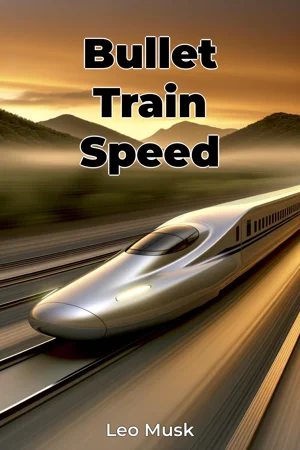
"Bullet Train Speed" examines how high-speed rail technology revolutionized transportation and continues to shape the future of global mobility. From the first Shinkansen in 1964 to modern magnetic levitation systems, this comprehensive analysis details the engineering breakthroughs that made sustained speeds of over 300 kilometers per hour possible. The book presents three core technological developments that transformed rail travel: advanced propulsion systems, track engineering innovations, and aerodynamic design principles. These elements work in concert to achieve the remarkable efficiency and safety standards that define modern high-speed rail networks. Through detailed technical analysis, readers learn how electromagnetic systems, computer-controlled operations, and precision engineering combine to create these sophisticated transportation systems. The narrative traces the evolution of bullet train technology across different regions, comparing Japanese Shinkansen, French TGV, and Chinese CRH systems. Each chapter explores specific engineering challenges and their solutions, from power distribution and pantograph design to noise reduction and suspension systems. The book pays particular attention to the integration of electrical systems with mechanical components, demonstrating how advances in both fields enabled increasingly higher speeds while maintaining safety and comfort. Technical discussions are supplemented with real-world data from operational networks, including maintenance requirements, energy consumption metrics, and safety records. Case studies examine specific engineering solutions, such as the development of nose cones to minimize sonic booms in tunnels and the implementation of active tilting mechanisms for improved cornering at high speeds. The work connects mechanical and electrical engineering principles to broader considerations of infrastructure development, economic impact, and environmental sustainability. Readers gain insight into how high-speed rail networks influence urban planning, regional development, and carbon emission reduction efforts. The book includes detailed analyses of power consumption efficiency, comparing bullet trains to other transportation modes and examining their role in sustainable mobility solutions. Current research and development initiatives are explored, including next-generation maglev technology, smart tracking systems, and energy harvesting innovations. The book addresses technical challenges facing high-speed rail expansion, such as dealing with extreme weather conditions, crossing challenging terrain, and integrating with existing transportation infrastructure. Written for engineering professionals, students, and technical enthusiasts, the text balances detailed technical information with accessible explanations of fundamental principles. Each chapter builds upon established engineering concepts while introducing advanced applications specific to high-speed rail systems. The scope encompasses both theoretical foundations and practical implementations, supported by computational models, design specifications, and performance data from operational systems worldwide. While focusing primarily on mechanical and electrical systems, the book also touches on materials science, civil engineering, and control systems engineering. Research citations include peer-reviewed engineering journals, technical specifications from major manufacturers, and operational data from rail operators. The analysis is grounded in empirical evidence and industry standards, providing readers with reliable technical information and practical insights. The book maintains an objective, technical focus while addressing ongoing debates in the field, such as the optimal balance between speed and energy efficiency, and the integration of high-speed rail with other transportation modes. It concludes with an examination of emerging technologies and their potential impact on the future of high-speed rail transportation.
"Bullet Train Speed" examines how high-speed rail technology revolutionized transportation and continues to shape the future of global mobility. From the first Shinkansen in 1964 to modern magnetic levitation systems, this comprehensive analysis details the engineering breakthroughs that made sustained speeds of over 300 kilometers per hour possible. The book presents three core technological developments that transformed rail travel: advanced propulsion systems, track engineering innovations, and aerodynamic design principles. These elements work in concert to achieve the remarkable efficiency and safety standards that define modern high-speed rail networks. Through detailed technical analysis, readers learn how electromagnetic systems, computer-controlled operations, and precision engineering combine to create these sophisticated transportation systems. The narrative traces the evolution of bullet train technology across different regions, comparing Japanese Shinkansen, French TGV, and Chinese CRH systems. Each chapter explores specific engineering challenges and their solutions, from power distribution and pantograph design to noise reduction and suspension systems. The book pays particular attention to the integration of electrical systems with mechanical components, demonstrating how advances in both fields enabled increasingly higher speeds while maintaining safety and comfort. Technical discussions are supplemented with real-world data from operational networks, including maintenance requirements, energy consumption metrics, and safety records. Case studies examine specific engineering solutions, such as the development of nose cones to minimize sonic booms in tunnels and the implementation of active tilting mechanisms for improved cornering at high speeds. The work connects mechanical and electrical engineering principles to broader considerations of infrastructure development, economic impact, and environmental sustainability. Readers gain insight into how high-speed rail networks influence urban planning, regional development, and carbon emission reduction efforts. The book includes detailed analyses of power consumption efficiency, comparing bullet trains to other transportation modes and examining their role in sustainable mobility solutions. Current research and development initiatives are explored, including next-generation maglev technology, smart tracking systems, and energy harvesting innovations. The book addresses technical challenges facing high-speed rail expansion, such as dealing with extreme weather conditions, crossing challenging terrain, and integrating with existing transportation infrastructure. Written for engineering professionals, students, and technical enthusiasts, the text balances detailed technical information with accessible explanations of fundamental principles. Each chapter builds upon established engineering concepts while introducing advanced applications specific to high-speed rail systems. The scope encompasses both theoretical foundations and practical implementations, supported by computational models, design specifications, and performance data from operational systems worldwide. While focusing primarily on mechanical and electrical systems, the book also touches on materials science, civil engineering, and control systems engineering. Research citations include peer-reviewed engineering journals, technical specifications from major manufacturers, and operational data from rail operators. The analysis is grounded in empirical evidence and industry standards, providing readers with reliable technical information and practical insights. The book maintains an objective, technical focus while addressing ongoing debates in the field, such as the optimal balance between speed and energy efficiency, and the integration of high-speed rail with other transportation modes. It concludes with an examination of emerging technologies and their potential impact on the future of high-speed rail transportation.
"Bullet Train Speed" offers a comprehensive exploration of high-speed rail technology's evolution, focusing on the engineering marvels that enable trains to achieve speeds exceeding 300 kilometers per hour. The book masterfully weaves together the three fundamental technological pillars that revolutionized rail travel: advanced propulsion systems, track engineering innovations, and aerodynamic design principles. Through a blend of technical analysis and real-world applications, it demonstrates how the integration of mechanical and electrical engineering has created some of the world's most sophisticated transportation systems. The narrative progresses from the historic launch of Japan's first Shinkansen in 1964 to modern magnetic levitation systems, examining how different regions have adapted and advanced high-speed rail technology. Each chapter systematically addresses specific engineering challenges, from pantograph design to noise reduction, while providing detailed insights into how electromagnetic systems and computer-controlled operations work in concert to ensure both speed and safety. The book's approach is particularly valuable for its inclusion of operational data and case studies that illustrate practical solutions to complex engineering problems. Moving beyond purely technical aspects, the book explores the broader implications of high-speed rail technology, including its role in sustainable transportation and economic development. It concludes with an examination of cutting-edge developments in maglev technology and smart tracking systems, making it an essential resource for engineering professionals and students alike. What sets this work apart is its balanced treatment of theoretical principles and practical applications, supported by empirical evidence and industry standards from operational systems worldwide.
Book Details
ISBN
9788233958398
Publisher
Publifye AS
Your Licenses
You don't own any licenses for this book
Purchase a license below to unlock this book and download the EPUB.
Purchase License
Select a tier to unlock this book
Need bulk licensing?
Contact us for enterprise agreements.