
About This Book
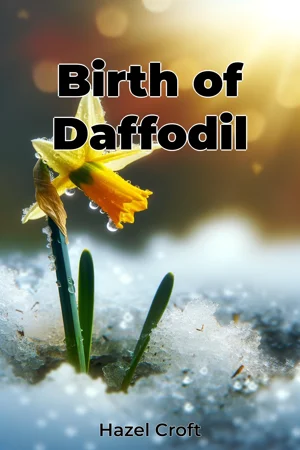
Throughout history, the daffodil has emerged as more than just a flower - it has become a symbol of nature's resilience and the cyclical promise of renewal. "Birth of Daffodil" traces the botanical, cultural, and historical journey of this remarkable plant, from its ancient Mediterranean origins to its current status as a herald of spring across the globe. The book presents three interconnected narratives: the botanical evolution of the Narcissus genus, the cultural significance of daffodils across civilizations, and the scientific understanding of their growth patterns and survival mechanisms. These elements combine to tell a comprehensive story of adaptation and cultural integration that spans millennia. Drawing from archaeological findings, historical documents, and contemporary botanical research, the text explores how daffodils spread from their native Mediterranean region through Europe and eventually worldwide. Readers will discover how these flowers adapted to various climates and how human cultivation practices influenced their development. The book details the plant's remarkable ability to naturalize in new environments, explaining the biological processes that allow daffodils to thrive in diverse conditions. The cultural section examines daffodils' role in literature, art, and traditional practices across different societies. From Welsh poetry to Chinese New Year celebrations, the flower has embedded itself in human expression and seasonal traditions. The text analyzes how various cultures interpreted the daffodil's early spring emergence, often viewing it as a symbol of hope and renewal. Scientific evidence is presented through detailed botanical studies, horticultural research, and evolutionary biology. The book includes findings from leading botanical gardens and research institutions, offering insights into the flower's complex biochemistry and its natural pest-resistant properties. These studies help explain why daffodils have succeeded where other plants have struggled. The narrative connects botany with climate science, cultural anthropology, and agricultural history. Modern cultivation techniques are explained alongside traditional methods, providing readers with practical knowledge for growing their own daffodils. The text addresses current environmental challenges and the daffodil's potential role in sustainable gardening practices. Written in an accessible academic style, the book combines scientific precision with engaging historical accounts. It serves both as a reference for gardening enthusiasts and a source of cultural insight for those interested in the relationship between plants and human society. The content is supported by botanical illustrations, historical artwork, and contemporary photographs that document the daffodil's journey through time. The book is particularly relevant for gardeners, botanical historians, and anyone interested in the intersection of nature and culture. It provides specific guidance for cultivation while exploring broader themes of plant adaptation and cultural significance. The text addresses ongoing debates in botanical circles about classification and naming conventions within the Narcissus genus, presenting various perspectives from leading researchers. "Birth of Daffodil" maintains a focused scope, concentrating on the specific genus while acknowledging its place within the larger family of Amaryllidaceae. The book concludes with practical applications for modern gardeners and a discussion of the daffodil's future in a changing climate, making it a timely resource for both personal and professional use.
Throughout history, the daffodil has emerged as more than just a flower - it has become a symbol of nature's resilience and the cyclical promise of renewal. "Birth of Daffodil" traces the botanical, cultural, and historical journey of this remarkable plant, from its ancient Mediterranean origins to its current status as a herald of spring across the globe. The book presents three interconnected narratives: the botanical evolution of the Narcissus genus, the cultural significance of daffodils across civilizations, and the scientific understanding of their growth patterns and survival mechanisms. These elements combine to tell a comprehensive story of adaptation and cultural integration that spans millennia. Drawing from archaeological findings, historical documents, and contemporary botanical research, the text explores how daffodils spread from their native Mediterranean region through Europe and eventually worldwide. Readers will discover how these flowers adapted to various climates and how human cultivation practices influenced their development. The book details the plant's remarkable ability to naturalize in new environments, explaining the biological processes that allow daffodils to thrive in diverse conditions. The cultural section examines daffodils' role in literature, art, and traditional practices across different societies. From Welsh poetry to Chinese New Year celebrations, the flower has embedded itself in human expression and seasonal traditions. The text analyzes how various cultures interpreted the daffodil's early spring emergence, often viewing it as a symbol of hope and renewal. Scientific evidence is presented through detailed botanical studies, horticultural research, and evolutionary biology. The book includes findings from leading botanical gardens and research institutions, offering insights into the flower's complex biochemistry and its natural pest-resistant properties. These studies help explain why daffodils have succeeded where other plants have struggled. The narrative connects botany with climate science, cultural anthropology, and agricultural history. Modern cultivation techniques are explained alongside traditional methods, providing readers with practical knowledge for growing their own daffodils. The text addresses current environmental challenges and the daffodil's potential role in sustainable gardening practices. Written in an accessible academic style, the book combines scientific precision with engaging historical accounts. It serves both as a reference for gardening enthusiasts and a source of cultural insight for those interested in the relationship between plants and human society. The content is supported by botanical illustrations, historical artwork, and contemporary photographs that document the daffodil's journey through time. The book is particularly relevant for gardeners, botanical historians, and anyone interested in the intersection of nature and culture. It provides specific guidance for cultivation while exploring broader themes of plant adaptation and cultural significance. The text addresses ongoing debates in botanical circles about classification and naming conventions within the Narcissus genus, presenting various perspectives from leading researchers. "Birth of Daffodil" maintains a focused scope, concentrating on the specific genus while acknowledging its place within the larger family of Amaryllidaceae. The book concludes with practical applications for modern gardeners and a discussion of the daffodil's future in a changing climate, making it a timely resource for both personal and professional use.
"Birth of Daffodil" presents a fascinating exploration of one of nature's most resilient and beloved flowers, weaving together the botanical evolution, cultural significance, and scientific understanding of the Narcissus genus. The book masterfully traces the daffodil's journey from its Mediterranean origins to its current status as a globally recognized herald of spring, revealing how this remarkable plant has adapted to diverse environments and climates throughout history. Through a combination of archaeological evidence, historical documents, and contemporary botanical research, the book illuminates the daffodil's extraordinary ability to naturalize in new environments and its significant role in human culture. From its appearances in Welsh poetry to Chinese New Year celebrations, the daffodil has become deeply embedded in human traditions and artistic expression. The text particularly shines when explaining the flower's complex biochemistry and natural pest-resistant properties, making scientific concepts accessible to general readers. The narrative progresses naturally from ancient origins to modern cultivation techniques, offering practical guidance for gardening enthusiasts while exploring broader themes of plant adaptation and cultural integration. What sets this book apart is its comprehensive approach to understanding the daffodil through multiple lenses - botanical, cultural, and scientific - supported by detailed illustrations and photographs that document the flower's remarkable journey through time. For gardeners and nature enthusiasts alike, it serves as both a practical guide and a testament to the enduring relationship between humans and the natural world.
Book Details
ISBN
9788233958381
Publisher
Publifye AS
Your Licenses
You don't own any licenses for this book
Purchase a license below to unlock this book and download the EPUB.
Purchase License
Select a tier to unlock this book
Need bulk licensing?
Contact us for enterprise agreements.