
About This Book
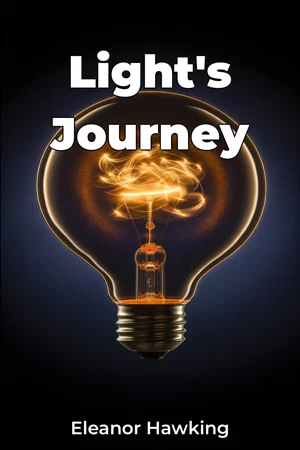
"Light's Journey" begins with a simple yet profound observation: the photons illuminating your screen at this moment are the products of centuries of human innovation and scientific discovery. This comprehensive exploration traces humanity's relationship with artificial light, from the first controlled fires to the quantum-level manipulation of electrons in modern LED technology. The book presents three interconnected narratives: the scientific principles governing light production, the technological evolution of lighting systems, and the societal transformations driven by improved illumination. These elements combine to demonstrate how lighting technology has shaped human civilization, from extending productive hours to revolutionizing communication and entertainment. The historical progression unfolds chronologically, beginning with early lighting methods such as oil lamps and candles, examining their chemical and physical properties. The narrative then moves through the revolutionary development of gas lighting in the 19th century, the emergence of incandescent bulbs, and the transition to fluorescent technology. Each advancement is analyzed through both technical and social lenses, revealing how new lighting solutions transformed work patterns, urban development, and domestic life. Central to the book's thesis is the argument that lighting technology serves as a crucial indicator of human technological capability and energy efficiency. The text demonstrates this through detailed analysis of energy conversion principles, electromagnetic theory, and semiconductor physics, making complex concepts accessible to readers with basic scientific knowledge. The content is structured in three major sections. The first establishes fundamental physics principles governing light production. The second examines the engineering challenges and solutions in different lighting technologies. The third explores the environmental and social implications of lighting choices, including current challenges in energy consumption and light pollution. Research presented includes historical documents, engineering specifications, energy efficiency studies, and environmental impact assessments. The book incorporates data from lighting manufacturers, power utilities, and environmental agencies to provide a comprehensive view of the field. The interdisciplinary approach connects physics and engineering with environmental science, urban planning, and social history. This integration helps readers understand how lighting technology influences architecture, workplace productivity, and human health through circadian rhythm regulation. The text maintains an analytical tone while remaining accessible to readers with varying technical backgrounds. It is particularly relevant for engineering students, energy professionals, and individuals interested in sustainable technology. Technical concepts are explained through practical examples and real-world applications. The book addresses current debates in lighting technology, including the balance between energy efficiency and light quality, the environmental impact of LED manufacturing, and the effects of artificial light on ecosystems. It presents evidence-based discussions of these issues while acknowledging areas of ongoing research. Practical applications focus on helping readers make informed decisions about lighting solutions, understanding energy efficiency ratings, and implementing effective lighting designs. The content includes specific guidelines for both residential and commercial applications, supported by quantitative data and case studies. The scope encompasses both technical and practical aspects of lighting technology, though it intentionally limits detailed discussion of specialized applications like stage lighting or phototherapy to maintain focus on mainstream applications and fundamental principles. This work serves as both a technical reference and a narrative of human innovation, demonstrating how the quest for better lighting continues to drive technological advancement and shape our modern world.
"Light's Journey" begins with a simple yet profound observation: the photons illuminating your screen at this moment are the products of centuries of human innovation and scientific discovery. This comprehensive exploration traces humanity's relationship with artificial light, from the first controlled fires to the quantum-level manipulation of electrons in modern LED technology. The book presents three interconnected narratives: the scientific principles governing light production, the technological evolution of lighting systems, and the societal transformations driven by improved illumination. These elements combine to demonstrate how lighting technology has shaped human civilization, from extending productive hours to revolutionizing communication and entertainment. The historical progression unfolds chronologically, beginning with early lighting methods such as oil lamps and candles, examining their chemical and physical properties. The narrative then moves through the revolutionary development of gas lighting in the 19th century, the emergence of incandescent bulbs, and the transition to fluorescent technology. Each advancement is analyzed through both technical and social lenses, revealing how new lighting solutions transformed work patterns, urban development, and domestic life. Central to the book's thesis is the argument that lighting technology serves as a crucial indicator of human technological capability and energy efficiency. The text demonstrates this through detailed analysis of energy conversion principles, electromagnetic theory, and semiconductor physics, making complex concepts accessible to readers with basic scientific knowledge. The content is structured in three major sections. The first establishes fundamental physics principles governing light production. The second examines the engineering challenges and solutions in different lighting technologies. The third explores the environmental and social implications of lighting choices, including current challenges in energy consumption and light pollution. Research presented includes historical documents, engineering specifications, energy efficiency studies, and environmental impact assessments. The book incorporates data from lighting manufacturers, power utilities, and environmental agencies to provide a comprehensive view of the field. The interdisciplinary approach connects physics and engineering with environmental science, urban planning, and social history. This integration helps readers understand how lighting technology influences architecture, workplace productivity, and human health through circadian rhythm regulation. The text maintains an analytical tone while remaining accessible to readers with varying technical backgrounds. It is particularly relevant for engineering students, energy professionals, and individuals interested in sustainable technology. Technical concepts are explained through practical examples and real-world applications. The book addresses current debates in lighting technology, including the balance between energy efficiency and light quality, the environmental impact of LED manufacturing, and the effects of artificial light on ecosystems. It presents evidence-based discussions of these issues while acknowledging areas of ongoing research. Practical applications focus on helping readers make informed decisions about lighting solutions, understanding energy efficiency ratings, and implementing effective lighting designs. The content includes specific guidelines for both residential and commercial applications, supported by quantitative data and case studies. The scope encompasses both technical and practical aspects of lighting technology, though it intentionally limits detailed discussion of specialized applications like stage lighting or phototherapy to maintain focus on mainstream applications and fundamental principles. This work serves as both a technical reference and a narrative of human innovation, demonstrating how the quest for better lighting continues to drive technological advancement and shape our modern world.
"Light's Journey" offers a fascinating exploration of humanity's relationship with artificial light, weaving together the scientific principles, technological evolution, and societal impact of lighting technology. From primitive fire to cutting-edge LED systems, this comprehensive work examines how our mastery of light has fundamentally transformed human civilization, extending productive hours and revolutionizing communication. The book uniquely integrates three major narratives: the physics of light production, the engineering developments in lighting systems, and the broader societal implications of improved illumination. Through accessible explanations of electromagnetic theory and semiconductor physics, readers gain insight into how different lighting technologies function, from early oil lamps to modern fluorescent and LED solutions. The text skillfully connects these technical aspects to practical applications, helping readers understand energy efficiency ratings and make informed decisions about lighting solutions. Moving chronologically through major technological breakthroughs, the book demonstrates how lighting advances have shaped urban development, workplace productivity, and domestic life. It tackles contemporary challenges such as energy efficiency and light pollution, while providing evidence-based discussions of environmental impacts and sustainable technology. This interdisciplinary approach, combining historical documentation with current research and practical guidelines, makes the book particularly valuable for engineering students, energy professionals, and anyone interested in understanding how lighting technology continues to influence our modern world.
Book Details
ISBN
9788233958374
Publisher
Publifye AS
Your Licenses
You don't own any licenses for this book
Purchase a license below to unlock this book and download the EPUB.
Purchase License
Select a tier to unlock this book
Need bulk licensing?
Contact us for enterprise agreements.