
About This Book
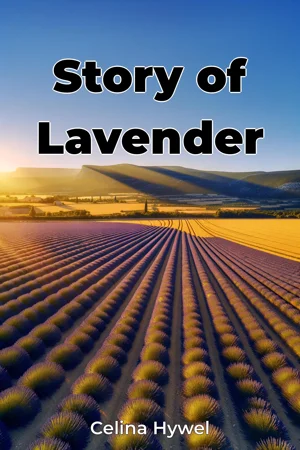
From the sun-drenched fields of Provence to the modern aromatherapist's workspace, lavender has woven itself into human culture for over 2,500 years. "Story of Lavender" traces this remarkable plant's journey through time, examining its profound impact on medicine, culture, and human wellbeing. The book presents three interconnected narratives: the botanical evolution and cultivation of lavender species across continents, the plant's historical significance in traditional medicine and contemporary aromatherapy, and its role as a cultural symbol in art, literature, and religious ceremonies. Through careful examination of archaeological records, historical documents, and modern scientific studies, readers discover how this humble purple flower became one of the most versatile and valued plants in human history. Beginning with its Mediterranean origins, the text explores lavender's spread through Roman trade routes and its cultivation by medieval monasteries. The book details how lavender gained prominence during the Victorian era, leading to the establishment of commercial lavender fields in England, France, and eventually worldwide. Scientific analysis of lavender's chemical composition reveals why this plant has been effective in traditional remedies, providing context for its modern applications in aromatherapy and pharmaceutical products. The work draws from botanical research, archaeological findings, and historical records to present a comprehensive understanding of lavender's properties and uses. Contemporary scientific studies on lavender's effects on anxiety, sleep, and wound healing are examined alongside traditional applications, offering readers a balanced perspective of ancient wisdom and modern evidence-based practices. Each chapter builds upon this foundation, connecting lavender's story to various disciplines including botany, chemistry, medicine, and anthropology. The text explores how lavender has influenced perfumery, linking its aromatic properties to the development of the modern fragrance industry. Agricultural sections detail cultivation techniques, while medical chapters examine its therapeutic applications. Written in an informative narrative style, the book maintains academic rigor while remaining accessible to gardeners, herbalists, and general readers interested in natural history. The author presents technical information through clear explanations and real-world examples, making complex botanical and chemical concepts understandable to a broad audience. Practical applications are emphasized throughout, with detailed guides for growing lavender in various climates, extracting essential oils, and using lavender in home remedies. The book addresses current debates in aromatherapy regarding standardization and efficacy, while acknowledging the limitations of traditional uses and the need for further research in certain areas. This comprehensive work serves multiple audiences: home gardeners will find practical cultivation advice, healthcare practitioners will gain insight into lavender's therapeutic applications, and historians will appreciate the detailed examination of lavender's role in human civilization. Particular attention is paid to sustainable farming practices and conservation efforts, addressing modern concerns about biodiversity and environmental impact. The book concludes by examining lavender's place in contemporary society, from its role in the natural wellness movement to its economic importance in regions where it is commercially cultivated. It provides a thoughtful analysis of how this ancient herb continues to adapt to modern applications while maintaining its traditional significance.
From the sun-drenched fields of Provence to the modern aromatherapist's workspace, lavender has woven itself into human culture for over 2,500 years. "Story of Lavender" traces this remarkable plant's journey through time, examining its profound impact on medicine, culture, and human wellbeing. The book presents three interconnected narratives: the botanical evolution and cultivation of lavender species across continents, the plant's historical significance in traditional medicine and contemporary aromatherapy, and its role as a cultural symbol in art, literature, and religious ceremonies. Through careful examination of archaeological records, historical documents, and modern scientific studies, readers discover how this humble purple flower became one of the most versatile and valued plants in human history. Beginning with its Mediterranean origins, the text explores lavender's spread through Roman trade routes and its cultivation by medieval monasteries. The book details how lavender gained prominence during the Victorian era, leading to the establishment of commercial lavender fields in England, France, and eventually worldwide. Scientific analysis of lavender's chemical composition reveals why this plant has been effective in traditional remedies, providing context for its modern applications in aromatherapy and pharmaceutical products. The work draws from botanical research, archaeological findings, and historical records to present a comprehensive understanding of lavender's properties and uses. Contemporary scientific studies on lavender's effects on anxiety, sleep, and wound healing are examined alongside traditional applications, offering readers a balanced perspective of ancient wisdom and modern evidence-based practices. Each chapter builds upon this foundation, connecting lavender's story to various disciplines including botany, chemistry, medicine, and anthropology. The text explores how lavender has influenced perfumery, linking its aromatic properties to the development of the modern fragrance industry. Agricultural sections detail cultivation techniques, while medical chapters examine its therapeutic applications. Written in an informative narrative style, the book maintains academic rigor while remaining accessible to gardeners, herbalists, and general readers interested in natural history. The author presents technical information through clear explanations and real-world examples, making complex botanical and chemical concepts understandable to a broad audience. Practical applications are emphasized throughout, with detailed guides for growing lavender in various climates, extracting essential oils, and using lavender in home remedies. The book addresses current debates in aromatherapy regarding standardization and efficacy, while acknowledging the limitations of traditional uses and the need for further research in certain areas. This comprehensive work serves multiple audiences: home gardeners will find practical cultivation advice, healthcare practitioners will gain insight into lavender's therapeutic applications, and historians will appreciate the detailed examination of lavender's role in human civilization. Particular attention is paid to sustainable farming practices and conservation efforts, addressing modern concerns about biodiversity and environmental impact. The book concludes by examining lavender's place in contemporary society, from its role in the natural wellness movement to its economic importance in regions where it is commercially cultivated. It provides a thoughtful analysis of how this ancient herb continues to adapt to modern applications while maintaining its traditional significance.
"Story of Lavender" presents a fascinating journey through the 2,500-year history of one of humanity's most beloved and versatile plants. This comprehensive exploration traces lavender's evolution from its Mediterranean origins through Roman trade routes to its current status as a global botanical treasure. The book weaves together three primary narratives: lavender's botanical development and cultivation, its crucial role in traditional and modern medicine, and its enduring cultural significance across civilizations. Through meticulous research drawing from archaeological findings, historical documents, and contemporary scientific studies, the book reveals how this aromatic herb transformed from a humble wild plant into an agricultural and therapeutic powerhouse. Readers discover how medieval monasteries preserved lavender cultivation techniques, leading to the establishment of commercial fields in Victorian England and France. The text expertly balances historical insights with practical applications, offering detailed guidance for modern gardeners while examining lavender's proven effects on anxiety, sleep, and wound healing. The narrative progresses naturally from ancient uses to contemporary applications, maintaining accessibility for both casual gardening enthusiasts and serious herbalists. Each chapter builds upon the previous one, exploring lavender's influence on various fields including perfumery, medicine, and sustainable agriculture. What sets this book apart is its unique ability to bridge traditional wisdom with modern scientific understanding, providing readers with a complete picture of lavender's remarkable journey through human history and its continuing relevance in today's natural wellness movement.
Book Details
ISBN
9788233958350
Publisher
Publifye AS
Your Licenses
You don't own any licenses for this book
Purchase a license below to unlock this book and download the EPUB.
Purchase License
Select a tier to unlock this book
Need bulk licensing?
Contact us for enterprise agreements.