
About This Book
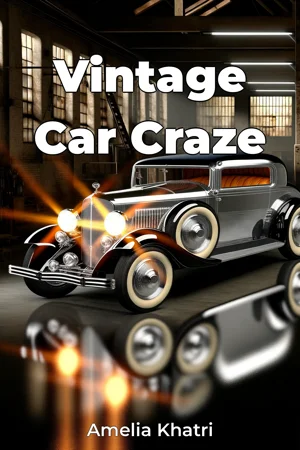
"Vintage Car Craze" delves into the intricate relationship between classic automobiles and their lasting impact on automotive design, chronicling how these mechanical masterpieces have shaped modern vehicle development and cultural perspectives on transportation. The book examines three pivotal periods in automotive history: the pioneering era of 1900-1929, the streamlined art deco period of the 1930s, and the post-war innovation surge from 1945-1965. Through detailed technical analysis and historical documentation, readers discover how each era contributed distinct elements to automotive engineering that continue to influence contemporary design principles. Drawing from extensive archives, including original manufacturing blueprints, designer sketches, and period engineering documents, the work presents a comprehensive exploration of how vintage automobiles served as both technological achievements and artistic expressions of their times. The research incorporates interviews with restoration specialists, automotive historians, and design engineers who provide unique insights into the mechanical and aesthetic choices that defined each period. The central thesis demonstrates how vintage automobiles were not merely transportation devices but rather sophisticated experiments in engineering that established foundational principles for modern automotive design. The book systematically analyzes how features like aerodynamics, safety systems, and ergonomic considerations evolved from early prototypes to refined solutions. Through detailed chapters, readers explore the mechanical evolution of key components such as engine design, suspension systems, and transmission technologies. The work examines how social factors, including economic conditions and material availability, influenced design decisions and manufacturing processes. Special attention is given to breakthrough innovations that transformed the industry, such as the introduction of standardized parts and assembly line production. The book makes significant connections between automotive engineering and other fields, including industrial design, aeronautical engineering, and materials science. These interdisciplinary links reveal how advancements in one area often catalyzed developments in others, creating a rich tapestry of technological progress. Written in a technical yet accessible style, the text balances detailed engineering analysis with historical context, making it valuable for both automotive professionals and enthusiasts. The content is structured to progress from fundamental concepts to complex technical discussions, allowing readers to build their understanding systematically. The work addresses ongoing debates within the automotive community, such as the relative merits of restoration versus preservation and the impact of modern manufacturing techniques on traditional craftsmanship. It also explores the challenge of maintaining vintage vehicles in an era of increasingly electronic systems. Practical sections guide readers through the essentials of vintage car appreciation, including evaluation techniques, maintenance considerations, and restoration principles. The book includes detailed case studies of significant models that exemplify important developmental stages in automotive design. The target audience includes mechanical engineers, automotive designers, restoration specialists, and serious enthusiasts seeking deep technical knowledge combined with historical context. The content serves both as a reference work for professionals and an educational resource for students of automotive engineering and design history. The scope encompasses not only the mechanical aspects of vintage automobiles but also their role in shaping industrial design philosophy and manufacturing processes. While focused primarily on North American and European developments, the book acknowledges significant contributions from other regions that influenced global automotive design.
"Vintage Car Craze" delves into the intricate relationship between classic automobiles and their lasting impact on automotive design, chronicling how these mechanical masterpieces have shaped modern vehicle development and cultural perspectives on transportation. The book examines three pivotal periods in automotive history: the pioneering era of 1900-1929, the streamlined art deco period of the 1930s, and the post-war innovation surge from 1945-1965. Through detailed technical analysis and historical documentation, readers discover how each era contributed distinct elements to automotive engineering that continue to influence contemporary design principles. Drawing from extensive archives, including original manufacturing blueprints, designer sketches, and period engineering documents, the work presents a comprehensive exploration of how vintage automobiles served as both technological achievements and artistic expressions of their times. The research incorporates interviews with restoration specialists, automotive historians, and design engineers who provide unique insights into the mechanical and aesthetic choices that defined each period. The central thesis demonstrates how vintage automobiles were not merely transportation devices but rather sophisticated experiments in engineering that established foundational principles for modern automotive design. The book systematically analyzes how features like aerodynamics, safety systems, and ergonomic considerations evolved from early prototypes to refined solutions. Through detailed chapters, readers explore the mechanical evolution of key components such as engine design, suspension systems, and transmission technologies. The work examines how social factors, including economic conditions and material availability, influenced design decisions and manufacturing processes. Special attention is given to breakthrough innovations that transformed the industry, such as the introduction of standardized parts and assembly line production. The book makes significant connections between automotive engineering and other fields, including industrial design, aeronautical engineering, and materials science. These interdisciplinary links reveal how advancements in one area often catalyzed developments in others, creating a rich tapestry of technological progress. Written in a technical yet accessible style, the text balances detailed engineering analysis with historical context, making it valuable for both automotive professionals and enthusiasts. The content is structured to progress from fundamental concepts to complex technical discussions, allowing readers to build their understanding systematically. The work addresses ongoing debates within the automotive community, such as the relative merits of restoration versus preservation and the impact of modern manufacturing techniques on traditional craftsmanship. It also explores the challenge of maintaining vintage vehicles in an era of increasingly electronic systems. Practical sections guide readers through the essentials of vintage car appreciation, including evaluation techniques, maintenance considerations, and restoration principles. The book includes detailed case studies of significant models that exemplify important developmental stages in automotive design. The target audience includes mechanical engineers, automotive designers, restoration specialists, and serious enthusiasts seeking deep technical knowledge combined with historical context. The content serves both as a reference work for professionals and an educational resource for students of automotive engineering and design history. The scope encompasses not only the mechanical aspects of vintage automobiles but also their role in shaping industrial design philosophy and manufacturing processes. While focused primarily on North American and European developments, the book acknowledges significant contributions from other regions that influenced global automotive design.
"Vintage Car Craze" offers a comprehensive exploration of classic automobiles' profound influence on automotive engineering and design, spanning three crucial periods: the pioneering era (1900-1929), the art deco period (1930s), and the post-war innovation surge (1945-1965). Through meticulous research incorporating original blueprints, designer sketches, and interviews with industry experts, the book reveals how vintage automobiles served as sophisticated engineering experiments that established the foundation for modern automotive design principles. The narrative expertly weaves together technical analysis with historical context, examining the evolution of key components such as engine design, suspension systems, and transmission technologies. Readers discover how social and economic factors influenced design decisions, while breakthrough innovations like standardized parts and assembly line production transformed the industry. The book's interdisciplinary approach highlights fascinating connections between automotive engineering and fields like aeronautical engineering and materials science, demonstrating how advancements in one area catalyzed developments in others. Structured to progress from fundamental concepts to complex technical discussions, this work serves both as a practical guide and historical reference. It addresses crucial debates within the automotive community, including restoration versus preservation considerations, while providing detailed case studies of significant models that marked important developmental stages. Whether you're a mechanical engineer, restoration specialist, or passionate enthusiast, the book offers valuable insights into how vintage automobiles shaped not only transportation but also industrial design philosophy and manufacturing processes.
Book Details
ISBN
9788233958336
Publisher
Publifye AS
Your Licenses
You don't own any licenses for this book
Purchase a license below to unlock this book and download the EPUB.
Purchase License
Select a tier to unlock this book
Need bulk licensing?
Contact us for enterprise agreements.