
About This Book
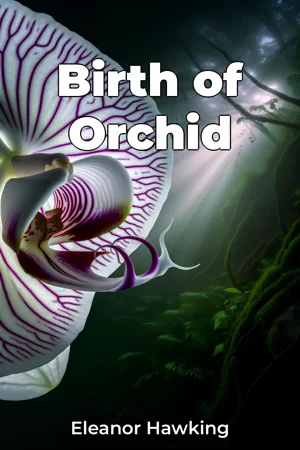
In the depths of Earth's most ancient forests, orchids emerged as masterpieces of evolutionary adaptation, developing some of the most sophisticated relationships with their environment of any flowering plant. "Birth of Orchid" traces the 80-million-year journey of these remarkable plants, from their earliest appearances in the fossil record to their current status as one of the largest and most diverse plant families on Earth. The book examines three fundamental aspects of orchid evolution: their unique reproductive strategies, their global distribution patterns, and their complex relationships with other organisms. Through detailed analysis of fossil evidence and DNA studies, readers discover how orchids developed their distinctive features, including their highly specialized pollination mechanisms and their ability to colonize diverse ecological niches across every continent except Antarctica. Drawing from extensive field research and botanical archives, the text illuminates the scientific principles behind orchid adaptation and survival. The first section explores the molecular and genetic foundations of orchid diversity, explaining how these plants developed their characteristic bilateral symmetry and evolved specialized structures like the column and labellum. The second section maps their geographic radiation and species diversification, while the final portion examines their ecological relationships and conservation challenges. Central to the book's thesis is the demonstration of how orchids represent a prime example of co-evolution, showing how their intricate relationships with pollinators, mycorrhizal fungi, and other organisms have driven their speciation. This perspective provides insights into broader evolutionary processes and the mechanisms of plant adaptation. The research presented combines traditional botanical studies with modern analytical techniques, including electron microscopy, genetic sequencing, and chemical analysis of orchid fragrances. These methodologies reveal previously unknown aspects of orchid biology and their ecological interactions. The text bridges multiple scientific disciplines, connecting botany with ecology, chemistry, and climatology. This interdisciplinary approach helps explain how orchids have become integral parts of various ecosystems and their role in maintaining biodiversity. The book also explores the cultural significance of orchids throughout human history, from their use in traditional medicine to their impact on modern horticulture and conservation biology. Written in an accessible academic style, the book maintains scientific rigor while engaging readers through clear explanations and detailed illustrations. Each chapter builds upon previous concepts, creating a comprehensive understanding of orchid biology and evolution. The work is particularly relevant for botanists, evolutionary biologists, and environmental scientists, but remains accessible to informed general readers interested in plant science and natural history. It addresses current debates in orchid taxonomy and conservation, including the impact of climate change on orchid populations and the challenges of preserving rare species. The book's scope encompasses both wild and cultivated orchids, examining their roles in natural ecosystems and human cultivation. It concludes with practical insights for conservation efforts and sustainable orchid cultivation, making it valuable for both researchers and practitioners in the field. Rather than simply celebrating orchids' beauty, "Birth of Orchid" provides a detailed scientific examination of how these plants have evolved, adapted, and continue to influence both natural ecosystems and human society, establishing itself as a comprehensive reference in the field of orchid biology.
In the depths of Earth's most ancient forests, orchids emerged as masterpieces of evolutionary adaptation, developing some of the most sophisticated relationships with their environment of any flowering plant. "Birth of Orchid" traces the 80-million-year journey of these remarkable plants, from their earliest appearances in the fossil record to their current status as one of the largest and most diverse plant families on Earth. The book examines three fundamental aspects of orchid evolution: their unique reproductive strategies, their global distribution patterns, and their complex relationships with other organisms. Through detailed analysis of fossil evidence and DNA studies, readers discover how orchids developed their distinctive features, including their highly specialized pollination mechanisms and their ability to colonize diverse ecological niches across every continent except Antarctica. Drawing from extensive field research and botanical archives, the text illuminates the scientific principles behind orchid adaptation and survival. The first section explores the molecular and genetic foundations of orchid diversity, explaining how these plants developed their characteristic bilateral symmetry and evolved specialized structures like the column and labellum. The second section maps their geographic radiation and species diversification, while the final portion examines their ecological relationships and conservation challenges. Central to the book's thesis is the demonstration of how orchids represent a prime example of co-evolution, showing how their intricate relationships with pollinators, mycorrhizal fungi, and other organisms have driven their speciation. This perspective provides insights into broader evolutionary processes and the mechanisms of plant adaptation. The research presented combines traditional botanical studies with modern analytical techniques, including electron microscopy, genetic sequencing, and chemical analysis of orchid fragrances. These methodologies reveal previously unknown aspects of orchid biology and their ecological interactions. The text bridges multiple scientific disciplines, connecting botany with ecology, chemistry, and climatology. This interdisciplinary approach helps explain how orchids have become integral parts of various ecosystems and their role in maintaining biodiversity. The book also explores the cultural significance of orchids throughout human history, from their use in traditional medicine to their impact on modern horticulture and conservation biology. Written in an accessible academic style, the book maintains scientific rigor while engaging readers through clear explanations and detailed illustrations. Each chapter builds upon previous concepts, creating a comprehensive understanding of orchid biology and evolution. The work is particularly relevant for botanists, evolutionary biologists, and environmental scientists, but remains accessible to informed general readers interested in plant science and natural history. It addresses current debates in orchid taxonomy and conservation, including the impact of climate change on orchid populations and the challenges of preserving rare species. The book's scope encompasses both wild and cultivated orchids, examining their roles in natural ecosystems and human cultivation. It concludes with practical insights for conservation efforts and sustainable orchid cultivation, making it valuable for both researchers and practitioners in the field. Rather than simply celebrating orchids' beauty, "Birth of Orchid" provides a detailed scientific examination of how these plants have evolved, adapted, and continue to influence both natural ecosystems and human society, establishing itself as a comprehensive reference in the field of orchid biology.
"Birth of Orchid" presents a captivating exploration of one of Earth's most remarkable plant families, tracing the 80-million-year evolutionary journey of orchids from their ancient origins to their current status as one of the planet's most diverse flowering plant groups. The book masterfully weaves together evidence from fossil records, DNA studies, and field research to reveal how these extraordinary plants developed their distinctive features, including their sophisticated pollination mechanisms and remarkable ability to adapt to diverse ecosystems worldwide. Through a carefully structured progression, the book examines three core aspects of orchid evolution: their unique reproductive strategies, global distribution patterns, and complex ecological relationships. Readers discover fascinating insights into how orchids developed their characteristic bilateral symmetry and specialized structures, while learning about their intricate relationships with pollinators and mycorrhizal fungi. The text particularly shines in its examination of co-evolution, demonstrating how orchids' interactions with other organisms have driven their remarkable diversification. What sets this book apart is its interdisciplinary approach, combining traditional botanical studies with cutting-edge analytical techniques such as electron microscopy and genetic sequencing. While maintaining scientific rigor, the text remains accessible to both academic researchers and informed general readers, offering practical insights for conservation efforts alongside theoretical understanding. The comprehensive examination of both wild and cultivated orchids makes this work particularly valuable for anyone interested in botanical science, evolution, or environmental conservation.
Book Details
ISBN
9788233958220
Publisher
Publifye AS
Your Licenses
You don't own any licenses for this book
Purchase a license below to unlock this book and download the EPUB.
Purchase License
Select a tier to unlock this book
Need bulk licensing?
Contact us for enterprise agreements.