
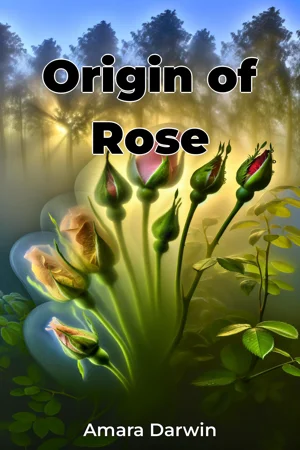
About This Book
From ancient Chinese gardens to medieval European monasteries, the rose has shaped human culture, medicine, and art for millennia. "Origin of Rose" traces the fascinating evolutionary journey of one of the world's most cultivated flowers, revealing how a simple wild plant transformed into thousands of varieties that grace modern gardens. This comprehensive exploration begins with the geological evidence of the first roses, dating back 35 million years, examining how these early species developed their distinctive features - thorns, petal arrangements, and the complex chemistry behind their fragrance. The book demonstrates how the rose's adaptation across diverse climates created the genetic diversity that enabled its later cultivation. Through careful analysis of archaeological findings, historical documents, and botanical research, the text illuminates three major transformative periods: the initial domestication in ancient China, the extensive breeding programs of the Roman Empire, and the 18th-century European hybridization revolution that created the foundation for modern roses. The book's core narrative follows the rose's biological development alongside human civilization, revealing how selective breeding modified simple five-petaled flowers into complex blooms with hundreds of petals. Readers will understand how each major civilization contributed to rose development, from Persian gardens to Victorian England's obsession with novel varieties. Scientific evidence, including recent DNA analysis and fossil records, supports the examination of rose evolution. The text incorporates research from botanical archives worldwide, featuring studies from major horticultural institutions and previously untranslated historical documents that provide new insights into traditional breeding methods. The work connects multiple disciplines, linking botany with cultural anthropology, showing how rose cultivation influenced art, literature, and religious symbolism. The economic aspects of rose production, from ancient perfume trade routes to modern cut-flower industries, demonstrate the flower's ongoing commercial significance. Written in an accessible academic style, the book provides detailed technical information while maintaining engagement through relevant historical anecdotes and case studies. Each chapter builds upon previous information, creating a clear progression from wild species to modern cultivars. The content serves both experienced horticulturists and amateur gardeners, offering practical insights into rose genetics and breeding while explaining complex botanical concepts in understandable terms. Detailed chapters explore the development of major rose classes, disease resistance evolution, and the science behind fragrance production. The book addresses current debates in rose cultivation, including the challenge of maintaining genetic diversity in modern breeding programs and the impact of climate change on rose species preservation. It examines ongoing efforts to combine disease resistance of wild species with the aesthetic appeal of modern varieties. The work concludes by looking at conservation efforts for wild rose species and the future of rose breeding, including the role of genetic engineering and molecular breeding techniques. It provides practical applications for gardeners while contributing to the scholarly understanding of plant domestication and evolution. This thorough examination of rose development offers readers a unique perspective on how human selection and natural evolution have worked together to create the vast diversity of roses we know today, making it a valuable resource for understanding both horticultural history and modern cultivation practices.
From ancient Chinese gardens to medieval European monasteries, the rose has shaped human culture, medicine, and art for millennia. "Origin of Rose" traces the fascinating evolutionary journey of one of the world's most cultivated flowers, revealing how a simple wild plant transformed into thousands of varieties that grace modern gardens. This comprehensive exploration begins with the geological evidence of the first roses, dating back 35 million years, examining how these early species developed their distinctive features - thorns, petal arrangements, and the complex chemistry behind their fragrance. The book demonstrates how the rose's adaptation across diverse climates created the genetic diversity that enabled its later cultivation. Through careful analysis of archaeological findings, historical documents, and botanical research, the text illuminates three major transformative periods: the initial domestication in ancient China, the extensive breeding programs of the Roman Empire, and the 18th-century European hybridization revolution that created the foundation for modern roses. The book's core narrative follows the rose's biological development alongside human civilization, revealing how selective breeding modified simple five-petaled flowers into complex blooms with hundreds of petals. Readers will understand how each major civilization contributed to rose development, from Persian gardens to Victorian England's obsession with novel varieties. Scientific evidence, including recent DNA analysis and fossil records, supports the examination of rose evolution. The text incorporates research from botanical archives worldwide, featuring studies from major horticultural institutions and previously untranslated historical documents that provide new insights into traditional breeding methods. The work connects multiple disciplines, linking botany with cultural anthropology, showing how rose cultivation influenced art, literature, and religious symbolism. The economic aspects of rose production, from ancient perfume trade routes to modern cut-flower industries, demonstrate the flower's ongoing commercial significance. Written in an accessible academic style, the book provides detailed technical information while maintaining engagement through relevant historical anecdotes and case studies. Each chapter builds upon previous information, creating a clear progression from wild species to modern cultivars. The content serves both experienced horticulturists and amateur gardeners, offering practical insights into rose genetics and breeding while explaining complex botanical concepts in understandable terms. Detailed chapters explore the development of major rose classes, disease resistance evolution, and the science behind fragrance production. The book addresses current debates in rose cultivation, including the challenge of maintaining genetic diversity in modern breeding programs and the impact of climate change on rose species preservation. It examines ongoing efforts to combine disease resistance of wild species with the aesthetic appeal of modern varieties. The work concludes by looking at conservation efforts for wild rose species and the future of rose breeding, including the role of genetic engineering and molecular breeding techniques. It provides practical applications for gardeners while contributing to the scholarly understanding of plant domestication and evolution. This thorough examination of rose development offers readers a unique perspective on how human selection and natural evolution have worked together to create the vast diversity of roses we know today, making it a valuable resource for understanding both horticultural history and modern cultivation practices.
"Origin of Rose" presents a captivating journey through the evolutionary history of one of humanity's most beloved flowers, tracing its remarkable transformation from ancient wild species to the thousands of cultivated varieties we know today. Beginning with 35-million-year-old geological evidence, the book weaves together botanical science, cultural history, and horticultural practices to tell the compelling story of how roses have shaped human civilization while being shaped by human selection. The narrative expertly chronicles three pivotal periods in rose development: early domestication in ancient China, systematic breeding during the Roman Empire, and the revolutionary hybridization practices of 18th-century Europe. Through careful examination of archaeological findings and botanical research, readers discover how simple five-petaled wild flowers evolved into the complex, many-petaled blooms that grace modern gardens. The book reveals fascinating details about how different civilizations contributed to rose development, from Persian gardens to Victorian England's breeding programs. This comprehensive work bridges multiple disciplines, combining rigorous scientific evidence with accessible explanations of rose genetics, breeding techniques, and fragrance production. The text progresses logically from ancient wild species to modern cultivars, incorporating recent DNA analysis and fossil records while maintaining engagement through historical anecdotes and case studies. Whether readers are experienced horticulturists or amateur gardeners, they'll find valuable insights into both the practical aspects of rose cultivation and the broader story of plant domestication.
Book Details
ISBN
9788233958169
Publisher
Publifye AS
Your Licenses
You don't own any licenses for this book
Purchase a license below to unlock this book and download the EPUB.
Purchase License
Select a tier to unlock this book
Need bulk licensing?
Contact us for enterprise agreements.