
About This Book
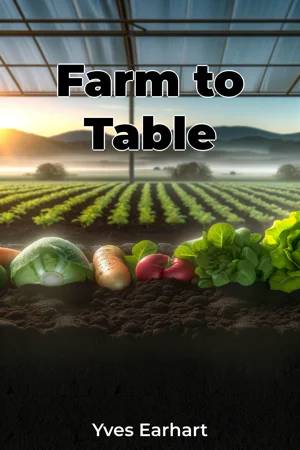
Every bite of food on our plates tells a story of agricultural practices, transportation networks, and economic decisions that shape our food systems. "Farm to Table" examines the complex journey of our food, revealing how local and sustainable agriculture can transform both our meals and our communities. The book presents a detailed analysis of modern food distribution systems, contrasting industrial agriculture with emerging local food networks. Through practical examples and data-driven research, it demonstrates how the average produce item travels 1,500 miles before reaching consumers, and how this distance impacts both nutritional value and environmental sustainability. Drawing from interviews with farmers, distributors, and restaurateurs, the work explores three principal areas: the environmental impact of current food distribution systems, the economic benefits of local food networks, and the practical challenges of transitioning to sustainable agriculture. The book provides historical context for our current food system, tracing its evolution from post-World War II industrialization to today's growing interest in local sourcing. The central argument posits that regional food systems offer viable alternatives to industrial agriculture, capable of delivering fresher produce while reducing environmental impact and strengthening local economies. This thesis is supported by case studies from successful farm-to-table initiatives across diverse geographical regions, including urban farming projects, community-supported agriculture programs, and farm-direct distribution models. The content progresses through several key sections, beginning with an examination of current industrial farming practices and their limitations. It then explores successful alternative models, analyzing factors that contribute to their success or failure. The final sections provide practical frameworks for implementing sustainable food systems at community and regional levels. Research presented includes agricultural studies, economic analyses, and environmental impact assessments. The book incorporates data from the USDA, independent research institutions, and original field studies conducted across different climate zones and growing regions. The work connects agriculture with economics, environmental science, and public health, demonstrating how food systems influence community wellness, economic resilience, and ecological sustainability. It examines how soil health affects nutrient density, how transportation methods impact carbon footprints, and how local food systems influence regional economic development. Written in an informative, evidence-based style, the book combines academic research with accessible explanations and practical applications. It serves both as a comprehensive guide for food industry professionals and an informative resource for conscious consumers seeking to understand their food choices' broader implications. The target audience includes food industry professionals, policy makers, environmental advocates, and informed consumers interested in sustainable food systems. The book provides actionable insights for farmers transitioning to sustainable practices, distributors developing local networks, and consumers seeking to support regional food systems. While focusing primarily on North American food systems, the book acknowledges global interconnections and varying regional challenges. It addresses ongoing debates about organic certification standards, the scalability of local food systems, and the role of technology in sustainable agriculture. The work concludes with practical guidelines for supporting local food systems, from individual consumer choices to community-level policy initiatives, offering readers concrete ways to participate in building more sustainable food networks.
Every bite of food on our plates tells a story of agricultural practices, transportation networks, and economic decisions that shape our food systems. "Farm to Table" examines the complex journey of our food, revealing how local and sustainable agriculture can transform both our meals and our communities. The book presents a detailed analysis of modern food distribution systems, contrasting industrial agriculture with emerging local food networks. Through practical examples and data-driven research, it demonstrates how the average produce item travels 1,500 miles before reaching consumers, and how this distance impacts both nutritional value and environmental sustainability. Drawing from interviews with farmers, distributors, and restaurateurs, the work explores three principal areas: the environmental impact of current food distribution systems, the economic benefits of local food networks, and the practical challenges of transitioning to sustainable agriculture. The book provides historical context for our current food system, tracing its evolution from post-World War II industrialization to today's growing interest in local sourcing. The central argument posits that regional food systems offer viable alternatives to industrial agriculture, capable of delivering fresher produce while reducing environmental impact and strengthening local economies. This thesis is supported by case studies from successful farm-to-table initiatives across diverse geographical regions, including urban farming projects, community-supported agriculture programs, and farm-direct distribution models. The content progresses through several key sections, beginning with an examination of current industrial farming practices and their limitations. It then explores successful alternative models, analyzing factors that contribute to their success or failure. The final sections provide practical frameworks for implementing sustainable food systems at community and regional levels. Research presented includes agricultural studies, economic analyses, and environmental impact assessments. The book incorporates data from the USDA, independent research institutions, and original field studies conducted across different climate zones and growing regions. The work connects agriculture with economics, environmental science, and public health, demonstrating how food systems influence community wellness, economic resilience, and ecological sustainability. It examines how soil health affects nutrient density, how transportation methods impact carbon footprints, and how local food systems influence regional economic development. Written in an informative, evidence-based style, the book combines academic research with accessible explanations and practical applications. It serves both as a comprehensive guide for food industry professionals and an informative resource for conscious consumers seeking to understand their food choices' broader implications. The target audience includes food industry professionals, policy makers, environmental advocates, and informed consumers interested in sustainable food systems. The book provides actionable insights for farmers transitioning to sustainable practices, distributors developing local networks, and consumers seeking to support regional food systems. While focusing primarily on North American food systems, the book acknowledges global interconnections and varying regional challenges. It addresses ongoing debates about organic certification standards, the scalability of local food systems, and the role of technology in sustainable agriculture. The work concludes with practical guidelines for supporting local food systems, from individual consumer choices to community-level policy initiatives, offering readers concrete ways to participate in building more sustainable food networks.
"Farm to Table" offers a comprehensive exploration of modern food systems, revealing the intricate journey our food takes from field to plate while making a compelling case for local and sustainable agriculture. Through extensive research and real-world examples, the book illuminates how the average food item travels an astounding 1,500 miles before reaching consumers, significantly impacting both nutritional value and environmental footprint. The narrative skillfully weaves together insights from farmers, distributors, and restaurateurs to present a holistic view of our current food landscape. Beginning with a historical perspective of post-World War II industrial agriculture, the book progresses through an examination of present-day farming practices before delving into alternative models and their potential. The analysis covers various successful initiatives, from urban farming projects to community-supported agriculture programs, demonstrating how regional food systems can deliver fresher produce while strengthening local economies. Through case studies spanning different geographical regions, the book presents practical evidence of sustainable agriculture's viability. What sets this work apart is its balanced approach to complex issues, combining academic research with accessible explanations and actionable insights. The book connects agricultural practices with broader themes of economic resilience, environmental sustainability, and community wellness, offering practical frameworks for implementing sustainable food systems. Whether you're a food industry professional, policy maker, or conscious consumer, this comprehensive guide provides valuable understanding of how local food networks can transform both our meals and our communities while addressing pressing environmental challenges.
Book Details
ISBN
9788233958121
Publisher
Publifye AS
Your Licenses
You don't own any licenses for this book
Purchase a license below to unlock this book and download the EPUB.
Purchase License
Select a tier to unlock this book
Need bulk licensing?
Contact us for enterprise agreements.