
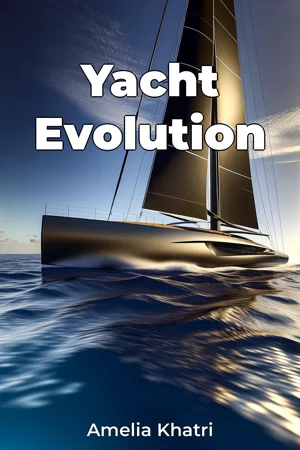
About This Book
"Yacht Evolution" traces the fascinating transformation of watercraft from ancient pleasure vessels to modern maritime marvels, revealing how these boats have shaped both leisure and competitive sailing throughout history. The book presents a comprehensive examination of yacht development across three distinct eras: the age of sail, the steam revolution, and the modern period. Through detailed research and naval architectural analysis, it demonstrates how yacht design has consistently reflected technological advancement, social status, and competitive spirit throughout maritime history. Beginning with the Dutch pleasure vessels of the 16th century, the narrative explores how wealthy merchants first established yachting as a leisure pursuit. The text then follows the British adoption and refinement of yacht design, including King Charles II's pivotal role in popularizing recreational sailing among the aristocracy. This historical foundation sets the stage for understanding modern yacht culture and design principles. The book's core focuses on two parallel developments: the evolution of luxury pleasure craft and the emergence of racing yachts. Through technical drawings, historical photographs, and architectural plans, readers discover how hull designs, rigging systems, and propulsion methods have advanced over centuries. Special attention is paid to breakthrough innovations, such as the introduction of marconi rigs, fin keels, and the integration of composite materials. The racing segment delves into the establishment of premier competitions, including the America's Cup and Volvo Ocean Race, examining how these events drove technological innovation and pushed the boundaries of naval architecture. The text analyzes specific design modifications that led to increased speed and maneuverability, supported by wind tunnel testing data and hydrodynamic studies. Connecting maritime engineering with social history, the book explores how yacht design influenced and was influenced by changing social structures, economic conditions, and technological capabilities. It examines the transformation of yachting from an exclusively elite pursuit to a more accessible sport and leisure activity, particularly following World War II. The final sections address contemporary developments in yacht design, including computer-aided design, environmental considerations, and sustainable technologies. The book provides detailed insights into how modern builders balance luxury amenities with performance characteristics, supported by interviews with leading naval architects and builders. Written in an authoritative yet accessible style, the text combines technical detail with historical narrative, making complex naval architecture concepts understandable to both enthusiasts and general readers. It includes detailed specifications, design evolution timelines, and case studies of significant vessels that marked important transitions in yacht development. This work serves multiple audiences: maritime historians will find well-researched documentation of yacht evolution; sailing enthusiasts will gain deeper understanding of design principles; and naval architecture students will benefit from technical analyses of historical and modern yacht design. The book maintains objectivity when addressing ongoing debates in the yachting community, such as the role of traditional versus modern materials and the balance between performance and luxury. It presents evidence-based discussions of these topics while acknowledging various perspectives within the industry. While the focus remains primarily on recreational and racing yachts, the book also touches on how developments in yacht design have influenced commercial shipbuilding and military vessel construction, demonstrating the broader impact of recreational sailing on maritime technology as a whole.
"Yacht Evolution" traces the fascinating transformation of watercraft from ancient pleasure vessels to modern maritime marvels, revealing how these boats have shaped both leisure and competitive sailing throughout history. The book presents a comprehensive examination of yacht development across three distinct eras: the age of sail, the steam revolution, and the modern period. Through detailed research and naval architectural analysis, it demonstrates how yacht design has consistently reflected technological advancement, social status, and competitive spirit throughout maritime history. Beginning with the Dutch pleasure vessels of the 16th century, the narrative explores how wealthy merchants first established yachting as a leisure pursuit. The text then follows the British adoption and refinement of yacht design, including King Charles II's pivotal role in popularizing recreational sailing among the aristocracy. This historical foundation sets the stage for understanding modern yacht culture and design principles. The book's core focuses on two parallel developments: the evolution of luxury pleasure craft and the emergence of racing yachts. Through technical drawings, historical photographs, and architectural plans, readers discover how hull designs, rigging systems, and propulsion methods have advanced over centuries. Special attention is paid to breakthrough innovations, such as the introduction of marconi rigs, fin keels, and the integration of composite materials. The racing segment delves into the establishment of premier competitions, including the America's Cup and Volvo Ocean Race, examining how these events drove technological innovation and pushed the boundaries of naval architecture. The text analyzes specific design modifications that led to increased speed and maneuverability, supported by wind tunnel testing data and hydrodynamic studies. Connecting maritime engineering with social history, the book explores how yacht design influenced and was influenced by changing social structures, economic conditions, and technological capabilities. It examines the transformation of yachting from an exclusively elite pursuit to a more accessible sport and leisure activity, particularly following World War II. The final sections address contemporary developments in yacht design, including computer-aided design, environmental considerations, and sustainable technologies. The book provides detailed insights into how modern builders balance luxury amenities with performance characteristics, supported by interviews with leading naval architects and builders. Written in an authoritative yet accessible style, the text combines technical detail with historical narrative, making complex naval architecture concepts understandable to both enthusiasts and general readers. It includes detailed specifications, design evolution timelines, and case studies of significant vessels that marked important transitions in yacht development. This work serves multiple audiences: maritime historians will find well-researched documentation of yacht evolution; sailing enthusiasts will gain deeper understanding of design principles; and naval architecture students will benefit from technical analyses of historical and modern yacht design. The book maintains objectivity when addressing ongoing debates in the yachting community, such as the role of traditional versus modern materials and the balance between performance and luxury. It presents evidence-based discussions of these topics while acknowledging various perspectives within the industry. While the focus remains primarily on recreational and racing yachts, the book also touches on how developments in yacht design have influenced commercial shipbuilding and military vessel construction, demonstrating the broader impact of recreational sailing on maritime technology as a whole.
"Yacht Evolution" presents a captivating journey through the transformation of recreational watercraft, from humble Dutch pleasure vessels of the 16th century to today's cutting-edge racing machines. This comprehensive exploration reveals how yacht design has continuously evolved in response to technological advancement, social changes, and competitive sailing demands, particularly through three pivotal eras: the age of sail, the steam revolution, and the modern period. The book masterfully weaves together the parallel development of luxury pleasure craft and racing yachts, using technical drawings, historical photographs, and architectural plans to illustrate key innovations. Notable attention is given to revolutionary developments like marconi rigs and fin keels, while exploring prestigious competitions such as the America's Cup that drove technological breakthroughs in naval architecture. Through detailed yet accessible analysis, readers discover how hull designs, rigging systems, and propulsion methods have advanced over centuries. What sets this work apart is its unique blend of maritime engineering and social history, demonstrating how yacht design both influenced and reflected changing social structures and economic conditions. The narrative progresses chronologically, incorporating modern developments in computer-aided design and sustainable technologies, while maintaining relevance for diverse audiences from maritime historians to sailing enthusiasts. The book effectively balances technical detail with historical context, making complex naval architecture concepts accessible to general readers while providing valuable insights for industry professionals.
Book Details
ISBN
9788233958107
Publisher
Publifye AS
Your Licenses
You don't own any licenses for this book
Purchase a license below to unlock this book and download the EPUB.
Purchase License
Select a tier to unlock this book
Need bulk licensing?
Contact us for enterprise agreements.