
About This Book
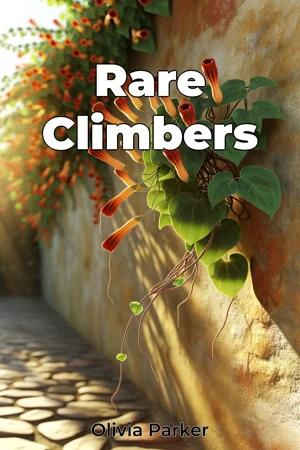
Vertical gardens have transformed urban landscapes worldwide, yet many gardeners remain unaware of the vast diversity of climbing plants beyond common varieties like ivy and clematis. "Rare Climbers" unveils a world of lesser-known climbing species and their potential to revolutionize vertical gardening practices. This comprehensive guide examines over 200 unique climbing plant species, focusing on their adaptation capabilities, growth patterns, and specific applications in vertical garden design. The book bridges the gap between traditional gardening knowledge and modern sustainable landscaping practices, offering readers practical solutions for maximizing limited space through vertical growth strategies. The text is organized into three main sections. The first explores the biology and mechanics of climbing plants, detailing various attachment methods including tendrils, twining stems, and adhesive roots. This foundation helps readers understand how different species can be optimally utilized in various settings. The second section catalogs rare climbing species from temperate and tropical regions, including detailed profiles of plants like the Chilean Glory Flower (Eccremocarpus scaber) and the Japanese Hydrangea Vine (Schizophragma hydrangeoides). The final section provides practical implementation strategies for creating successful vertical gardens in different environments. The book incorporates findings from recent botanical studies and horticultural trials, presenting evidence-based recommendations for plant selection and care. Research from botanical gardens worldwide, including previously unpublished data on growth rates and environmental adaptability, supports the cultivation guidelines provided. "Rare Climbers" connects botanical science with architecture and urban planning, demonstrating how these plants can contribute to green building initiatives and urban heat island mitigation. The text examines successful vertical garden projects from various climates, offering insights into both successes and failures in different environmental conditions. The writing maintains a technical yet accessible approach, suitable for both professional landscapers and dedicated home gardeners. Each plant profile includes essential cultivation information, potential challenges, and specific recommendations for optimal growth conditions. Detailed illustrations and photographs accompany the descriptions, providing clear visual references for identification and training techniques. This resource is particularly valuable for landscape architects, professional gardeners, and urban planning professionals seeking to expand their plant palette beyond conventional options. Home gardeners with intermediate to advanced experience will also find practical guidance for incorporating unusual climbing species into their gardens. The book addresses current debates in sustainable landscaping, including water usage in vertical gardens, native versus exotic species selection, and the impact of climbing plants on building structures. It provides balanced perspectives on these issues, backed by current research and case studies. Practical applications extend beyond aesthetic considerations, exploring how these plants can be used for food production, privacy screening, and environmental benefits such as temperature regulation and wildlife habitat creation. The text includes specific guidelines for creating specialized vertical gardens, including edible walls, butterfly gardens, and shade-tolerant collections. While focusing primarily on ornamental and functional aspects of climbing plants, the book also acknowledges limitations in availability of certain species and offers alternatives when rare varieties prove difficult to source. This practical approach ensures readers can implement the book's recommendations regardless of their location or access to specialized nurseries.
Vertical gardens have transformed urban landscapes worldwide, yet many gardeners remain unaware of the vast diversity of climbing plants beyond common varieties like ivy and clematis. "Rare Climbers" unveils a world of lesser-known climbing species and their potential to revolutionize vertical gardening practices. This comprehensive guide examines over 200 unique climbing plant species, focusing on their adaptation capabilities, growth patterns, and specific applications in vertical garden design. The book bridges the gap between traditional gardening knowledge and modern sustainable landscaping practices, offering readers practical solutions for maximizing limited space through vertical growth strategies. The text is organized into three main sections. The first explores the biology and mechanics of climbing plants, detailing various attachment methods including tendrils, twining stems, and adhesive roots. This foundation helps readers understand how different species can be optimally utilized in various settings. The second section catalogs rare climbing species from temperate and tropical regions, including detailed profiles of plants like the Chilean Glory Flower (Eccremocarpus scaber) and the Japanese Hydrangea Vine (Schizophragma hydrangeoides). The final section provides practical implementation strategies for creating successful vertical gardens in different environments. The book incorporates findings from recent botanical studies and horticultural trials, presenting evidence-based recommendations for plant selection and care. Research from botanical gardens worldwide, including previously unpublished data on growth rates and environmental adaptability, supports the cultivation guidelines provided. "Rare Climbers" connects botanical science with architecture and urban planning, demonstrating how these plants can contribute to green building initiatives and urban heat island mitigation. The text examines successful vertical garden projects from various climates, offering insights into both successes and failures in different environmental conditions. The writing maintains a technical yet accessible approach, suitable for both professional landscapers and dedicated home gardeners. Each plant profile includes essential cultivation information, potential challenges, and specific recommendations for optimal growth conditions. Detailed illustrations and photographs accompany the descriptions, providing clear visual references for identification and training techniques. This resource is particularly valuable for landscape architects, professional gardeners, and urban planning professionals seeking to expand their plant palette beyond conventional options. Home gardeners with intermediate to advanced experience will also find practical guidance for incorporating unusual climbing species into their gardens. The book addresses current debates in sustainable landscaping, including water usage in vertical gardens, native versus exotic species selection, and the impact of climbing plants on building structures. It provides balanced perspectives on these issues, backed by current research and case studies. Practical applications extend beyond aesthetic considerations, exploring how these plants can be used for food production, privacy screening, and environmental benefits such as temperature regulation and wildlife habitat creation. The text includes specific guidelines for creating specialized vertical gardens, including edible walls, butterfly gardens, and shade-tolerant collections. While focusing primarily on ornamental and functional aspects of climbing plants, the book also acknowledges limitations in availability of certain species and offers alternatives when rare varieties prove difficult to source. This practical approach ensures readers can implement the book's recommendations regardless of their location or access to specialized nurseries.
"Rare Climbers" offers a groundbreaking exploration of the often-overlooked world of climbing plants, extending far beyond familiar varieties like ivy and clematis. This comprehensive guide unveils over 200 unique climbing species, presenting a fresh perspective on vertical gardening that combines traditional horticultural knowledge with modern sustainable landscaping practices. The book's three-part structure begins by demystifying the fascinating biology of climbing plants, examining their various attachment methods from tendrils to adhesive roots. Its extensive catalog of rare temperate and tropical species, including distinctive plants like the Chilean Glory Flower and Japanese Hydrangea Vine, provides readers with detailed profiles and cultivation guidance. The final section translates this knowledge into practical implementation strategies for creating successful vertical gardens across different environments. What sets this resource apart is its evidence-based approach, incorporating recent botanical studies and horticultural trials while maintaining accessibility for both professionals and dedicated home gardeners. The book addresses crucial aspects of sustainable landscaping, from water usage to native species selection, while offering practical solutions for urban heat island mitigation and wildlife habitat creation. Through detailed illustrations, photographs, and real-world case studies, readers gain comprehensive insights into maximizing limited space through innovative vertical growth strategies.
Book Details
ISBN
9788233957995
Publisher
Publifye AS
Your Licenses
You don't own any licenses for this book
Purchase a license below to unlock this book and download the EPUB.
Purchase License
Select a tier to unlock this book
Need bulk licensing?
Contact us for enterprise agreements.