
About This Book
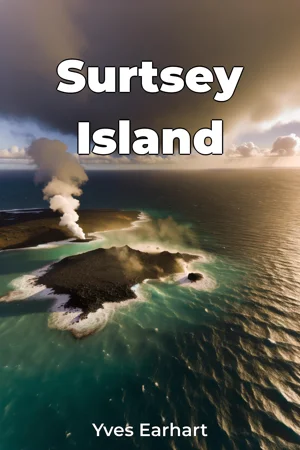
On November 14, 1963, seafarers witnessed the birth of a new island off Iceland's southern coast, as volcanic eruptions thrust land above the Atlantic waves. "Surtsey Island" chronicles the remarkable formation and ongoing evolution of this pristine natural laboratory, offering readers an unparalleled window into the processes of ecological colonization and geological development. The book presents a detailed examination of how life establishes itself on barren volcanic rock, following five decades of careful scientific observation. Through comprehensive research data and long-term monitoring, readers discover how winds, waves, and various organisms gradually transform a sterile volcanic island into a living ecosystem. The text explores three main themes: the geological processes that created and continue to shape Surtsey, the systematic colonization by plants and animals, and the island's significance for understanding fundamental principles of biogeography. Drawing from thousands of scientific observations and studies conducted since the island's emergence, the book details how researchers have documented every stage of ecological succession. Readers learn how wind-blown seeds, spores, and marine-carried organisms became the pioneers of life on Surtsey, followed by insects, birds, and eventually seals. The author presents this information through a combination of scientific data, field observations, and photographic documentation, creating a clear picture of nature's colonization processes. The book's structure follows both chronological and thematic arrangements, beginning with the dramatic volcanic birth of the island and proceeding through distinct phases of biological colonization. Each chapter builds upon previous information, demonstrating how early arrivals modify the environment and facilitate the establishment of subsequent species. Special attention is given to the unique opportunity Surtsey presents: a chance to observe primary succession from absolute zero, without any pre-existing soil or life forms. Connecting geology, ecology, and environmental science, the text explores how Surtsey serves as a model for understanding island biogeography theories and their practical applications in conservation. The author examines how findings from Surtsey have influenced our understanding of species dispersal, habitat formation, and ecosystem development, with implications for habitat restoration and species conservation worldwide. The book maintains an academic foundation while remaining accessible to educated general readers, particularly those interested in natural history, ecology, and earth sciences. It includes detailed maps, photographs, and data visualizations that document the island's changes over time, making complex scientific concepts comprehensible to a broader audience. A significant portion of the text addresses the importance of Surtsey as a UNESCO World Heritage site and its role as a restricted scientific research area. The author explains how limiting human access has created an invaluable control site for studying natural processes without direct human interference, providing insights into how ecosystems develop when left undisturbed. For researchers, conservation professionals, and students in environmental sciences, the book offers practical applications in understanding ecosystem development and restoration ecology. The findings from Surtsey have direct relevance to habitat rehabilitation, volcanic island management, and predictions about ecosystem responses to environmental change. This thorough examination of Surtsey Island's development serves as both a scientific record and a compelling narrative about nature's capacity for colonization and adaptation, providing readers with a comprehensive understanding of how new ecosystems emerge and develop over time.
On November 14, 1963, seafarers witnessed the birth of a new island off Iceland's southern coast, as volcanic eruptions thrust land above the Atlantic waves. "Surtsey Island" chronicles the remarkable formation and ongoing evolution of this pristine natural laboratory, offering readers an unparalleled window into the processes of ecological colonization and geological development. The book presents a detailed examination of how life establishes itself on barren volcanic rock, following five decades of careful scientific observation. Through comprehensive research data and long-term monitoring, readers discover how winds, waves, and various organisms gradually transform a sterile volcanic island into a living ecosystem. The text explores three main themes: the geological processes that created and continue to shape Surtsey, the systematic colonization by plants and animals, and the island's significance for understanding fundamental principles of biogeography. Drawing from thousands of scientific observations and studies conducted since the island's emergence, the book details how researchers have documented every stage of ecological succession. Readers learn how wind-blown seeds, spores, and marine-carried organisms became the pioneers of life on Surtsey, followed by insects, birds, and eventually seals. The author presents this information through a combination of scientific data, field observations, and photographic documentation, creating a clear picture of nature's colonization processes. The book's structure follows both chronological and thematic arrangements, beginning with the dramatic volcanic birth of the island and proceeding through distinct phases of biological colonization. Each chapter builds upon previous information, demonstrating how early arrivals modify the environment and facilitate the establishment of subsequent species. Special attention is given to the unique opportunity Surtsey presents: a chance to observe primary succession from absolute zero, without any pre-existing soil or life forms. Connecting geology, ecology, and environmental science, the text explores how Surtsey serves as a model for understanding island biogeography theories and their practical applications in conservation. The author examines how findings from Surtsey have influenced our understanding of species dispersal, habitat formation, and ecosystem development, with implications for habitat restoration and species conservation worldwide. The book maintains an academic foundation while remaining accessible to educated general readers, particularly those interested in natural history, ecology, and earth sciences. It includes detailed maps, photographs, and data visualizations that document the island's changes over time, making complex scientific concepts comprehensible to a broader audience. A significant portion of the text addresses the importance of Surtsey as a UNESCO World Heritage site and its role as a restricted scientific research area. The author explains how limiting human access has created an invaluable control site for studying natural processes without direct human interference, providing insights into how ecosystems develop when left undisturbed. For researchers, conservation professionals, and students in environmental sciences, the book offers practical applications in understanding ecosystem development and restoration ecology. The findings from Surtsey have direct relevance to habitat rehabilitation, volcanic island management, and predictions about ecosystem responses to environmental change. This thorough examination of Surtsey Island's development serves as both a scientific record and a compelling narrative about nature's capacity for colonization and adaptation, providing readers with a comprehensive understanding of how new ecosystems emerge and develop over time.
"Surtsey Island" presents a fascinating chronicle of Earth's newest volcanic island, born off Iceland's coast in 1963, offering an unprecedented look at how life colonizes barren land from absolute zero. This natural laboratory has provided scientists with a unique opportunity to document every stage of ecological succession, from the first wind-blown seeds and marine organisms to the eventual establishment of complex plant and animal communities, including birds and seals. The book guides readers through both the dramatic geological birth of Surtsey and its subsequent transformation into a living ecosystem. Through careful scientific observation spanning five decades, it reveals how pioneer species gradually modified the harsh volcanic environment, creating conditions that allowed for increasingly diverse life forms to establish themselves. The author skillfully weaves together scientific data, field observations, and photographic evidence to demonstrate how this UNESCO World Heritage site has become a crucial reference point for understanding natural colonization processes. What makes this work particularly valuable is its comprehensive approach to documenting an untouched ecosystem's development, free from human interference. The book's chronological and thematic structure helps readers understand the intricate connections between geological processes, ecological succession, and biogeography. For conservation professionals and environmental enthusiasts alike, Surtsey's story provides vital insights into habitat restoration and ecosystem development, offering practical applications for conservation efforts worldwide.
Book Details
ISBN
9788233957896
Publisher
Publifye AS
Your Licenses
You don't own any licenses for this book
Purchase a license below to unlock this book and download the EPUB.
Purchase License
Select a tier to unlock this book
Need bulk licensing?
Contact us for enterprise agreements.