
About This Book
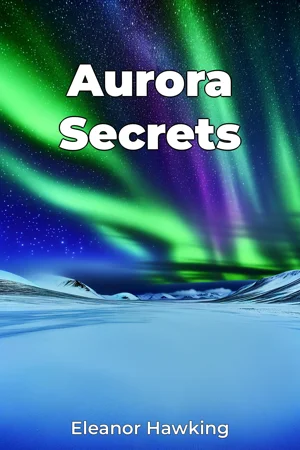
On a clear winter night in Earth's polar regions, ribbons of light dance across the dark sky, captivating observers and inspiring scientific inquiry. "Aurora Secrets" unravels the complex physics behind these luminous displays, offering readers a detailed exploration of one of nature's most studied atmospheric phenomena. The book presents three interconnected themes: the fundamental physics of aurora formation, the Earth's magnetic field dynamics, and the solar-terrestrial relationship that drives auroral displays. Through these lenses, readers gain a comprehensive understanding of how charged particles from the Sun interact with our planet's magnetic shield to create these brilliant light shows. Starting with the historical context, the narrative traces humanity's relationship with auroras, from ancient myths to the groundbreaking discoveries of the Space Age. The book then builds a foundation of essential physics concepts, carefully explaining how plasma physics and electromagnetic forces work together in the upper atmosphere. This background sets the stage for understanding more complex processes without requiring advanced mathematical knowledge. The core sections examine the Sun's role as the primary driver of auroral activity. Readers learn about solar wind, coronal mass ejections, and their journey through space to Earth. The book details how these solar phenomena interact with the magnetosphere, creating the conditions necessary for aurora formation. Particular attention is given to the various forms of auroras, their colors, and the specific atmospheric conditions that produce them. Throughout the text, current research methods and technologies are highlighted, including satellite observations, ground-based magnetometers, and sophisticated computer modeling. The book incorporates data from recent space missions and ground-based observatories, providing readers with up-to-date scientific findings and evolving theories in auroral research. The interdisciplinary nature of aurora studies is emphasized through connections to space weather forecasting, satellite communications, and power grid infrastructure. The book explains how understanding auroras contributes to protecting modern technology from solar storms and their potentially disruptive effects on Earth-based systems. Written in a clear, methodical style, the text bridges the gap between technical scientific literature and popular science, making complex physics concepts accessible to readers with a basic science background. While maintaining scientific accuracy, the narrative employs carefully chosen analogies and illustrations to clarify abstract concepts. The book particularly serves educators, amateur astronomers, and science enthusiasts who seek a deeper understanding of atmospheric physics and space weather phenomena. It provides practical information for aurora viewing, including optimal locations, timing, and photography techniques. The final chapters address current challenges in aurora research, including ongoing debates about certain types of auroral formations and the impact of changing solar activity cycles on auroral displays. The book concludes with a discussion of future research directions and the importance of continued study for both scientific understanding and practical applications. "Aurora Secrets" maintains a focused scope on the physics and environmental aspects of auroras while acknowledging their cultural significance. It provides readers with both the theoretical framework to understand these phenomena and the practical knowledge to observe and appreciate them firsthand. The work stands as a comprehensive guide to understanding one of nature's most visible demonstrations of the connection between our Sun and Earth.
On a clear winter night in Earth's polar regions, ribbons of light dance across the dark sky, captivating observers and inspiring scientific inquiry. "Aurora Secrets" unravels the complex physics behind these luminous displays, offering readers a detailed exploration of one of nature's most studied atmospheric phenomena. The book presents three interconnected themes: the fundamental physics of aurora formation, the Earth's magnetic field dynamics, and the solar-terrestrial relationship that drives auroral displays. Through these lenses, readers gain a comprehensive understanding of how charged particles from the Sun interact with our planet's magnetic shield to create these brilliant light shows. Starting with the historical context, the narrative traces humanity's relationship with auroras, from ancient myths to the groundbreaking discoveries of the Space Age. The book then builds a foundation of essential physics concepts, carefully explaining how plasma physics and electromagnetic forces work together in the upper atmosphere. This background sets the stage for understanding more complex processes without requiring advanced mathematical knowledge. The core sections examine the Sun's role as the primary driver of auroral activity. Readers learn about solar wind, coronal mass ejections, and their journey through space to Earth. The book details how these solar phenomena interact with the magnetosphere, creating the conditions necessary for aurora formation. Particular attention is given to the various forms of auroras, their colors, and the specific atmospheric conditions that produce them. Throughout the text, current research methods and technologies are highlighted, including satellite observations, ground-based magnetometers, and sophisticated computer modeling. The book incorporates data from recent space missions and ground-based observatories, providing readers with up-to-date scientific findings and evolving theories in auroral research. The interdisciplinary nature of aurora studies is emphasized through connections to space weather forecasting, satellite communications, and power grid infrastructure. The book explains how understanding auroras contributes to protecting modern technology from solar storms and their potentially disruptive effects on Earth-based systems. Written in a clear, methodical style, the text bridges the gap between technical scientific literature and popular science, making complex physics concepts accessible to readers with a basic science background. While maintaining scientific accuracy, the narrative employs carefully chosen analogies and illustrations to clarify abstract concepts. The book particularly serves educators, amateur astronomers, and science enthusiasts who seek a deeper understanding of atmospheric physics and space weather phenomena. It provides practical information for aurora viewing, including optimal locations, timing, and photography techniques. The final chapters address current challenges in aurora research, including ongoing debates about certain types of auroral formations and the impact of changing solar activity cycles on auroral displays. The book concludes with a discussion of future research directions and the importance of continued study for both scientific understanding and practical applications. "Aurora Secrets" maintains a focused scope on the physics and environmental aspects of auroras while acknowledging their cultural significance. It provides readers with both the theoretical framework to understand these phenomena and the practical knowledge to observe and appreciate them firsthand. The work stands as a comprehensive guide to understanding one of nature's most visible demonstrations of the connection between our Sun and Earth.
"Aurora Secrets" unravels the mesmerizing phenomenon of the northern lights, offering a comprehensive exploration of the intricate physics behind these celestial displays. The book masterfully weaves together three key themes: the fundamental physics of aurora formation, Earth's magnetic field dynamics, and the complex solar-terrestrial relationship that creates these spectacular light shows. Through carefully crafted explanations and analogies, readers discover how charged particles from the Sun interact with our planet's magnetic shield to produce the brilliant colors that dance across polar skies. Starting with historical perspectives and ancient myths, the narrative progresses through essential physics concepts before delving into the Sun's crucial role in auroral activity. The book examines how solar wind and coronal mass ejections travel through space to interact with Earth's magnetosphere, making complex atmospheric physics accessible to readers with basic science knowledge. Particular attention is given to the various forms and colors of auroras, supported by current research methods and data from recent space missions. The book distinguishes itself by bridging the gap between technical scientific literature and popular science, incorporating practical information for aurora viewing and photography alongside sophisticated concepts in space weather and plasma physics. It serves as an invaluable resource for educators, amateur astronomers, and science enthusiasts, combining theoretical understanding with practical observation techniques. The interdisciplinary approach highlights the connection between aurora studies and modern technology, including satellite communications and power grid infrastructure protection.
Book Details
ISBN
9788233957742
Publisher
Publifye AS
Your Licenses
You don't own any licenses for this book
Purchase a license below to unlock this book and download the EPUB.
Purchase License
Select a tier to unlock this book
Need bulk licensing?
Contact us for enterprise agreements.