
About This Book
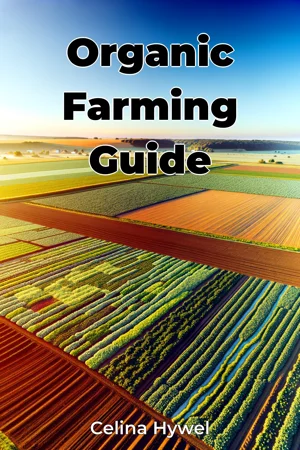
As conventional farming practices continue to degrade soil quality and reduce biodiversity worldwide, the "Organic Farming Guide" presents a comprehensive roadmap for transitioning to sustainable agricultural methods that regenerate the earth while producing nutritious, chemical-free crops. This practical guide combines scientific research with hands-on farming experience to demonstrate how organic farming systems can create resilient agricultural ecosystems. The book examines three core pillars: soil microbiome management, integrated pest control through biodiversity, and natural fertility cycling. These interconnected elements form the foundation of successful organic farming operations, whether on a small homestead or commercial scale. The text begins with an exploration of soil science fundamentals, explaining how organic matter, minerals, and living organisms work together to support plant health. Readers learn specific techniques for building soil structure through cover cropping, composting, and minimal tillage practices. The guide provides detailed soil testing protocols and interpretation guidelines, helping farmers make informed decisions about amendments and crop rotation. In addressing pest management, the book presents evidence-based strategies that leverage beneficial insects and plant diversity to naturally control harmful organisms. Case studies from established organic farms demonstrate successful implementations of companion planting, habitat corridors, and trap cropping. The guide includes identification keys for common pests and beneficial species, along with seasonal management calendars adapted for different climate zones. The fertility management section examines how to cycle nutrients effectively through biological processes rather than synthetic inputs. Readers learn to calculate nutrient budgets, time cover crop termination, and optimize composting methods. The guide draws on research from agricultural institutions worldwide, presenting data on yield comparisons between organic and conventional systems across various crops and growing conditions. Throughout the text, the focus remains on practical implementation. Each chapter includes troubleshooting guides, equipment recommendations, and economic considerations for different scales of operation. The book addresses common challenges in organic transition, providing solutions based on documented experiences from farmers who have successfully converted conventional operations to organic systems. The guide makes important connections between farming practices and wider ecological systems, examining how organic methods influence water quality, carbon sequestration, and wildlife populations. It includes sections on certification requirements, market opportunities, and building community support networks essential for organic farmers. Written in a clear, technical style accessible to both beginning farmers and experienced agriculturists, the guide provides specific, actionable information while explaining the scientific principles behind recommended practices. Detailed illustrations, field maps, and photo guides support the text throughout. While focused primarily on vegetable and grain production, the guide also covers integrated livestock systems and perennial crops. It acknowledges regional variations in climate and soil types, providing adaptation strategies for different growing conditions. The content is particularly relevant for farmers in temperate regions, though many principles can be applied globally. The guide addresses ongoing debates within the organic farming community, such as tillage practices and pest control methods, by presenting evidence-based analyses of different approaches. It maintains a practical focus on methods that have proven both environmentally and economically sustainable in real-world applications.
As conventional farming practices continue to degrade soil quality and reduce biodiversity worldwide, the "Organic Farming Guide" presents a comprehensive roadmap for transitioning to sustainable agricultural methods that regenerate the earth while producing nutritious, chemical-free crops. This practical guide combines scientific research with hands-on farming experience to demonstrate how organic farming systems can create resilient agricultural ecosystems. The book examines three core pillars: soil microbiome management, integrated pest control through biodiversity, and natural fertility cycling. These interconnected elements form the foundation of successful organic farming operations, whether on a small homestead or commercial scale. The text begins with an exploration of soil science fundamentals, explaining how organic matter, minerals, and living organisms work together to support plant health. Readers learn specific techniques for building soil structure through cover cropping, composting, and minimal tillage practices. The guide provides detailed soil testing protocols and interpretation guidelines, helping farmers make informed decisions about amendments and crop rotation. In addressing pest management, the book presents evidence-based strategies that leverage beneficial insects and plant diversity to naturally control harmful organisms. Case studies from established organic farms demonstrate successful implementations of companion planting, habitat corridors, and trap cropping. The guide includes identification keys for common pests and beneficial species, along with seasonal management calendars adapted for different climate zones. The fertility management section examines how to cycle nutrients effectively through biological processes rather than synthetic inputs. Readers learn to calculate nutrient budgets, time cover crop termination, and optimize composting methods. The guide draws on research from agricultural institutions worldwide, presenting data on yield comparisons between organic and conventional systems across various crops and growing conditions. Throughout the text, the focus remains on practical implementation. Each chapter includes troubleshooting guides, equipment recommendations, and economic considerations for different scales of operation. The book addresses common challenges in organic transition, providing solutions based on documented experiences from farmers who have successfully converted conventional operations to organic systems. The guide makes important connections between farming practices and wider ecological systems, examining how organic methods influence water quality, carbon sequestration, and wildlife populations. It includes sections on certification requirements, market opportunities, and building community support networks essential for organic farmers. Written in a clear, technical style accessible to both beginning farmers and experienced agriculturists, the guide provides specific, actionable information while explaining the scientific principles behind recommended practices. Detailed illustrations, field maps, and photo guides support the text throughout. While focused primarily on vegetable and grain production, the guide also covers integrated livestock systems and perennial crops. It acknowledges regional variations in climate and soil types, providing adaptation strategies for different growing conditions. The content is particularly relevant for farmers in temperate regions, though many principles can be applied globally. The guide addresses ongoing debates within the organic farming community, such as tillage practices and pest control methods, by presenting evidence-based analyses of different approaches. It maintains a practical focus on methods that have proven both environmentally and economically sustainable in real-world applications.
"Organic Farming Guide" offers a comprehensive blueprint for sustainable agriculture that benefits both the environment and crop production. This practical resource expertly weaves together scientific research and hands-on farming experience, focusing on three fundamental pillars: maintaining a healthy soil microbiome, implementing integrated pest management through biodiversity, and utilizing natural fertility cycling methods. The book stands out for its balanced approach, making complex agricultural science accessible while providing detailed, actionable guidance for farmers at any scale. The guide progresses logically from soil science fundamentals through pest management to fertility optimization, with each chapter building upon previous concepts. Particularly valuable are its real-world case studies and troubleshooting guides, which demonstrate successful organic farming transitions across different climates and conditions. The text excels in explaining how organic practices like cover cropping, composting, and companion planting work together to create resilient agricultural systems that support both productive farming and environmental conservation. This comprehensive resource distinguishes itself through its practical implementation focus, offering specific techniques backed by scientific research from agricultural institutions worldwide. Whether addressing soil testing protocols, beneficial insect identification, or nutrient cycling, the guide provides clear, technical instruction while maintaining accessibility for readers at all experience levels. Regional variations are thoughtfully considered, making this an invaluable reference for anyone interested in sustainable farming practices, from small-scale gardeners to commercial agriculturists.
Book Details
ISBN
9788233957520
Publisher
Publifye AS
Your Licenses
You don't own any licenses for this book
Purchase a license below to unlock this book and download the EPUB.
Purchase License
Select a tier to unlock this book
Need bulk licensing?
Contact us for enterprise agreements.