
About This Book
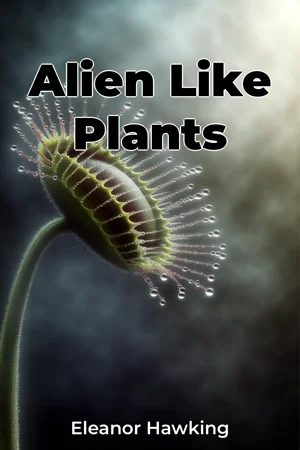
In the depths of Earth's most secluded environments, plants have evolved features so distinct that they challenge our understanding of botanical life. "Alien Like Plants" takes readers on a methodical journey through the world of plants that appear to defy conventional biology, examining their unique adaptations and survival mechanisms that rival science fiction. The book presents three core sections that explore the convergence of form and function in plant evolution. The first section delves into carnivorous plants, including the Venus flytrap and pitcher plants, analyzing their sophisticated trap mechanisms and digestive processes. The second examines mimicry specialists, such as the living stone plants (Lithops) that disguise themselves as pebbles, and orchids that replicate the appearance and scent of female insects. The final section investigates parasitic plants like the ghostly Indian pipe and the massive Rafflesia, which have abandoned photosynthesis in favor of alternative survival strategies. Drawing from recent botanical research and advanced imaging techniques, the book reveals how these plants' unusual characteristics emerged through evolutionary pressure. Studies using electron microscopy and DNA analysis demonstrate the complex molecular mechanisms behind these adaptations. The text incorporates findings from field studies across six continents, providing comprehensive data on plant behavior and development in various ecosystems. The work connects botanical science with broader scientific disciplines, including chemistry, as it explains the biochemical processes behind carnivorous plant digestion, and physics, in examining how certain plants manipulate light and color to attract pollinators or prey. These interdisciplinary insights help readers understand how seemingly bizarre features serve critical survival functions. Written in a technical yet accessible style, the book systematically breaks down complex biological concepts using detailed illustrations and microscopic photography. Each chapter includes case studies of specific species, examining their habitat requirements, adaptation mechanisms, and ecological roles. The text maintains scientific accuracy while providing clear explanations suitable for both biology students and informed general readers. The book addresses current botanical research challenges, including the impact of climate change on specialized plant species and the potential applications of their adaptive mechanisms in agricultural innovation. It explores how understanding these plants' survival strategies could influence biomimetic engineering and pharmaceutical development. Rather than merely cataloging unusual specimens, the work presents a cohesive analysis of plant adaptation and evolution. It demonstrates how extreme environmental pressures lead to innovative biological solutions, challenging traditional perspectives on plant capabilities. The research presented includes recent discoveries, such as previously unknown chemical signaling methods and newly documented species with unique characteristics. For researchers, students, and plant enthusiasts, this book provides valuable insights into plant adaptation and evolution. It serves as both a scientific reference and an exploration of nature's innovative solutions to survival challenges. The work concludes by examining conservation efforts for these specialized species and their potential significance for future botanical research and applications in various fields, from medicine to materials science. Through careful documentation and analysis, "Alien Like Plants" demonstrates how these botanical outliers represent the cutting edge of plant evolution, offering crucial lessons about adaptation, survival, and the diversity of life on Earth.
In the depths of Earth's most secluded environments, plants have evolved features so distinct that they challenge our understanding of botanical life. "Alien Like Plants" takes readers on a methodical journey through the world of plants that appear to defy conventional biology, examining their unique adaptations and survival mechanisms that rival science fiction. The book presents three core sections that explore the convergence of form and function in plant evolution. The first section delves into carnivorous plants, including the Venus flytrap and pitcher plants, analyzing their sophisticated trap mechanisms and digestive processes. The second examines mimicry specialists, such as the living stone plants (Lithops) that disguise themselves as pebbles, and orchids that replicate the appearance and scent of female insects. The final section investigates parasitic plants like the ghostly Indian pipe and the massive Rafflesia, which have abandoned photosynthesis in favor of alternative survival strategies. Drawing from recent botanical research and advanced imaging techniques, the book reveals how these plants' unusual characteristics emerged through evolutionary pressure. Studies using electron microscopy and DNA analysis demonstrate the complex molecular mechanisms behind these adaptations. The text incorporates findings from field studies across six continents, providing comprehensive data on plant behavior and development in various ecosystems. The work connects botanical science with broader scientific disciplines, including chemistry, as it explains the biochemical processes behind carnivorous plant digestion, and physics, in examining how certain plants manipulate light and color to attract pollinators or prey. These interdisciplinary insights help readers understand how seemingly bizarre features serve critical survival functions. Written in a technical yet accessible style, the book systematically breaks down complex biological concepts using detailed illustrations and microscopic photography. Each chapter includes case studies of specific species, examining their habitat requirements, adaptation mechanisms, and ecological roles. The text maintains scientific accuracy while providing clear explanations suitable for both biology students and informed general readers. The book addresses current botanical research challenges, including the impact of climate change on specialized plant species and the potential applications of their adaptive mechanisms in agricultural innovation. It explores how understanding these plants' survival strategies could influence biomimetic engineering and pharmaceutical development. Rather than merely cataloging unusual specimens, the work presents a cohesive analysis of plant adaptation and evolution. It demonstrates how extreme environmental pressures lead to innovative biological solutions, challenging traditional perspectives on plant capabilities. The research presented includes recent discoveries, such as previously unknown chemical signaling methods and newly documented species with unique characteristics. For researchers, students, and plant enthusiasts, this book provides valuable insights into plant adaptation and evolution. It serves as both a scientific reference and an exploration of nature's innovative solutions to survival challenges. The work concludes by examining conservation efforts for these specialized species and their potential significance for future botanical research and applications in various fields, from medicine to materials science. Through careful documentation and analysis, "Alien Like Plants" demonstrates how these botanical outliers represent the cutting edge of plant evolution, offering crucial lessons about adaptation, survival, and the diversity of life on Earth.
"Alien Like Plants" offers a fascinating exploration of Earth's most extraordinary botanical specimens, focusing on plants that have evolved features so remarkable they seem almost otherworldly. The book systematically examines three distinct categories of unusual plants: carnivorous species like the Venus flytrap with their sophisticated prey-capture mechanisms, mimicry specialists such as living stone plants that disguise themselves as pebbles, and parasitic plants that have abandoned traditional photosynthesis for alternative survival strategies. Through cutting-edge research and advanced imaging techniques, including electron microscopy and DNA analysis, the book reveals the intricate molecular mechanisms behind these plants' remarkable adaptations. The text bridges multiple scientific disciplines, explaining how these seemingly bizarre features serve critical survival functions across various ecosystems. Detailed case studies and microscopic photography help readers understand complex biological concepts while maintaining scientific accuracy and accessibility. The book progresses from examining individual species' unique characteristics to broader implications for evolutionary biology and potential applications in fields like biomimetic engineering and agriculture. Rather than simply cataloging unusual specimens, it presents a comprehensive analysis of how extreme environmental pressures drive innovative biological solutions. This approach makes the book particularly valuable for both academic readers and plant enthusiasts seeking to understand nature's most ingenious survival strategies.
Book Details
ISBN
9788233957506
Publisher
Publifye AS
Your Licenses
You don't own any licenses for this book
Purchase a license below to unlock this book and download the EPUB.
Purchase License
Select a tier to unlock this book
Need bulk licensing?
Contact us for enterprise agreements.