
About This Book
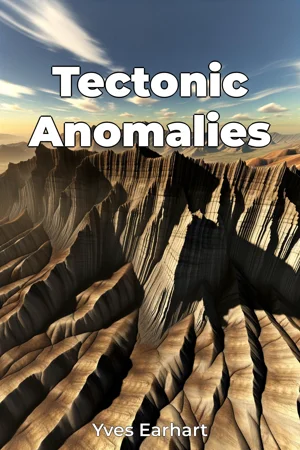
In the depths of Earth's crust, patterns emerge that challenge our fundamental understanding of tectonic behavior. "Tectonic Anomalies" presents a detailed examination of unexpected geological phenomena that have reshaped our knowledge of crustal dynamics and their far-reaching implications for Earth science. The book delves into three primary areas of investigation: non-traditional fault movements, deep-earth tremor patterns that defy conventional models, and the resulting modifications to surrounding geological formations. Through comprehensive analysis of global data collected over three decades, readers discover how these anomalies influence mountain formation, mineral distribution, and regional stability across continental boundaries. Drawing from recent seismological studies and advanced monitoring technologies, the text examines cases where tectonic plates exhibit behaviors that contradict established theories. These include reversed subduction zones in the Pacific Ring of Fire, unexplained intraplate activities in traditionally stable regions, and newly identified microplate formations that create complex stress patterns in continental interiors. The book's core argument centers on the need to revise current tectonic models to accommodate these anomalies, supported by evidence from deep-earth imaging, satellite data, and field observations. Each chapter builds upon this foundation, moving from basic principles to complex interactions between geological systems. Readers follow a structured progression through the material, beginning with an overview of traditional plate tectonics before exploring documented anomalies. The second section analyzes specific case studies, including the unusual seismic patterns beneath the Colorado Plateau and unexpected crustal deformation in the Mediterranean Basin. The final chapters discuss implications for hazard assessment and geological forecasting. The research presented combines data from multiple disciplines, including geophysics, mineralogy, and structural geology. The book incorporates findings from the International Deep Earth Observation Network and previously unreleased data from regional seismic arrays, providing readers with current, relevant information about Earth's dynamic processes. This work connects with climate science through examination of how anomalous tectonic activity influences ocean circulation patterns and atmospheric systems. It also relates to civil engineering, particularly in regions where unusual crustal behavior affects infrastructure planning and disaster preparedness. Written in a technical yet accessible style, the text serves both professional geologists and advanced students in Earth sciences. It includes detailed diagrams, three-dimensional models, and comprehensive data tables that support the main discussions while maintaining readability. The book addresses ongoing debates in the geological community regarding the role of mantle plumes in creating tectonic anomalies and the influence of crustal inheritance on modern plate behavior. It presents multiple viewpoints while maintaining focus on empirical evidence and measurable phenomena. Practical applications include improved methods for seismic risk assessment, mineral resource exploration, and geological engineering in regions affected by anomalous tectonic behavior. The work provides tools and frameworks for professionals working in these areas while advancing our understanding of Earth's dynamic systems. This comprehensive examination of tectonic anomalies fills a crucial gap in current geological literature, offering both theoretical insights and practical applications for those working in Earth sciences and related fields.
In the depths of Earth's crust, patterns emerge that challenge our fundamental understanding of tectonic behavior. "Tectonic Anomalies" presents a detailed examination of unexpected geological phenomena that have reshaped our knowledge of crustal dynamics and their far-reaching implications for Earth science. The book delves into three primary areas of investigation: non-traditional fault movements, deep-earth tremor patterns that defy conventional models, and the resulting modifications to surrounding geological formations. Through comprehensive analysis of global data collected over three decades, readers discover how these anomalies influence mountain formation, mineral distribution, and regional stability across continental boundaries. Drawing from recent seismological studies and advanced monitoring technologies, the text examines cases where tectonic plates exhibit behaviors that contradict established theories. These include reversed subduction zones in the Pacific Ring of Fire, unexplained intraplate activities in traditionally stable regions, and newly identified microplate formations that create complex stress patterns in continental interiors. The book's core argument centers on the need to revise current tectonic models to accommodate these anomalies, supported by evidence from deep-earth imaging, satellite data, and field observations. Each chapter builds upon this foundation, moving from basic principles to complex interactions between geological systems. Readers follow a structured progression through the material, beginning with an overview of traditional plate tectonics before exploring documented anomalies. The second section analyzes specific case studies, including the unusual seismic patterns beneath the Colorado Plateau and unexpected crustal deformation in the Mediterranean Basin. The final chapters discuss implications for hazard assessment and geological forecasting. The research presented combines data from multiple disciplines, including geophysics, mineralogy, and structural geology. The book incorporates findings from the International Deep Earth Observation Network and previously unreleased data from regional seismic arrays, providing readers with current, relevant information about Earth's dynamic processes. This work connects with climate science through examination of how anomalous tectonic activity influences ocean circulation patterns and atmospheric systems. It also relates to civil engineering, particularly in regions where unusual crustal behavior affects infrastructure planning and disaster preparedness. Written in a technical yet accessible style, the text serves both professional geologists and advanced students in Earth sciences. It includes detailed diagrams, three-dimensional models, and comprehensive data tables that support the main discussions while maintaining readability. The book addresses ongoing debates in the geological community regarding the role of mantle plumes in creating tectonic anomalies and the influence of crustal inheritance on modern plate behavior. It presents multiple viewpoints while maintaining focus on empirical evidence and measurable phenomena. Practical applications include improved methods for seismic risk assessment, mineral resource exploration, and geological engineering in regions affected by anomalous tectonic behavior. The work provides tools and frameworks for professionals working in these areas while advancing our understanding of Earth's dynamic systems. This comprehensive examination of tectonic anomalies fills a crucial gap in current geological literature, offering both theoretical insights and practical applications for those working in Earth sciences and related fields.
"Tectonic Anomalies" explores fascinating deviations from traditional plate tectonic theories, presenting groundbreaking research that challenges our existing understanding of Earth's crustal dynamics. Through detailed analysis of global data collected over three decades, the book reveals intriguing phenomena such as reversed subduction zones in the Pacific Ring of Fire and unexpected intraplate activities in typically stable regions, demonstrating how these anomalies significantly influence mountain formation and regional stability. The book progresses logically from fundamental principles to complex geological interactions, examining specific case studies like the unusual seismic patterns beneath the Colorado Plateau and unexpected crustal deformation in the Mediterranean Basin. Drawing from multiple disciplines, including geophysics and structural geology, it incorporates cutting-edge data from the International Deep Earth Observation Network and regional seismic arrays to support its findings. What sets this work apart is its comprehensive approach to connecting these geological anomalies with practical applications in climate science, civil engineering, and disaster preparedness. Written in an accessible yet technical style, the book serves both professional geologists and advanced students, offering detailed diagrams and three-dimensional models that illustrate complex concepts. The integration of empirical evidence with theoretical frameworks provides readers with valuable tools for seismic risk assessment and mineral resource exploration while advancing our understanding of Earth's dynamic processes.
Book Details
ISBN
9788233957483
Publisher
Publifye AS
Your Licenses
You don't own any licenses for this book
Purchase a license below to unlock this book and download the EPUB.
Purchase License
Select a tier to unlock this book
Need bulk licensing?
Contact us for enterprise agreements.