
About This Book
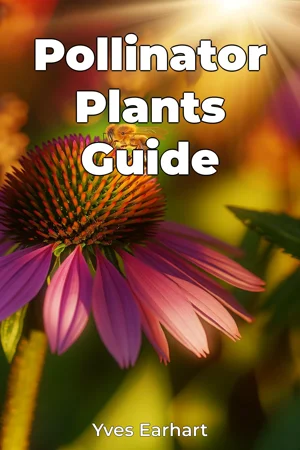
In an era where global pollinator populations face unprecedented decline, understanding how to create pollinator-friendly gardens has become crucial for both environmental sustainability and successful gardening. "Pollinator Plants Guide" presents a comprehensive roadmap for transforming any garden into a thriving ecosystem that supports essential pollinators while enhancing overall garden productivity. The book begins by examining the symbiotic relationship between plants and pollinators, detailing how this ancient partnership shapes our natural world and food systems. Through detailed botanical research and field studies, readers learn how specific plant characteristics—from flower shapes to bloom times—attract different pollinator species. This scientific foundation helps gardeners make informed choices about plant selection and placement. Structured in three main sections, the guide first explores the biology and behavior of key pollinator groups, including various bee species, butterflies, moths, and hummingbirds. The second section provides detailed profiles of over 100 pollinator-friendly plants, organized by growing zones and bloom seasons. The final section offers practical design strategies for creating year-round pollinator habitats in various garden sizes and settings. The guide integrates current research from ecological studies and agricultural science, presenting evidence-based practices for supporting pollinator populations. It draws from successful case studies of pollinator gardens across different climate zones, demonstrating how these principles work in real-world settings. Readers will find practical instruction on: - Selecting native and non-native plants that provide maximum pollinator benefits - Creating continuous bloom sequences throughout growing seasons - Establishing nesting sites and water sources for different pollinator species - Managing gardens without harmful pesticides - Maintaining healthy soil ecosystems that support both plants and beneficial insects The book connects gardening practices with broader environmental science, agricultural productivity, and biodiversity conservation. It demonstrates how individual gardens can contribute to larger pollinator corridors and habitat restoration efforts, linking backyard practices to global conservation initiatives. Written in a clear, instructional style, the guide combines technical accuracy with accessible explanations suitable for both beginning and experienced gardeners. Each plant profile includes detailed growing requirements, pollinator species attracted, and optimal garden placement, allowing readers to make informed decisions based on their specific conditions. The target audience includes home gardeners, landscape designers, and environmental enthusiasts seeking to create purposeful, ecologically beneficial gardens. The guide addresses common challenges such as limited space, varying climate conditions, and seasonal transitions, providing solutions that work in diverse settings. While focusing primarily on North American gardens, the book acknowledges regional variations and provides alternatives for different growing zones. It addresses current debates about native versus non-native plants and the role of cultivars in pollinator gardens, presenting balanced, research-based perspectives on these topics. The guide's scope extends beyond mere plant selection, encompassing whole-garden ecology and the creation of sustainable pollinator habitats. It explains how successful pollinator gardens contribute to improved fruit and vegetable yields, increased biodiversity, and enhanced garden resilience. This practical resource empowers readers to participate in pollinator conservation while creating more productive and beautiful gardens, demonstrating how individual actions can contribute to broader environmental solutions.
In an era where global pollinator populations face unprecedented decline, understanding how to create pollinator-friendly gardens has become crucial for both environmental sustainability and successful gardening. "Pollinator Plants Guide" presents a comprehensive roadmap for transforming any garden into a thriving ecosystem that supports essential pollinators while enhancing overall garden productivity. The book begins by examining the symbiotic relationship between plants and pollinators, detailing how this ancient partnership shapes our natural world and food systems. Through detailed botanical research and field studies, readers learn how specific plant characteristics—from flower shapes to bloom times—attract different pollinator species. This scientific foundation helps gardeners make informed choices about plant selection and placement. Structured in three main sections, the guide first explores the biology and behavior of key pollinator groups, including various bee species, butterflies, moths, and hummingbirds. The second section provides detailed profiles of over 100 pollinator-friendly plants, organized by growing zones and bloom seasons. The final section offers practical design strategies for creating year-round pollinator habitats in various garden sizes and settings. The guide integrates current research from ecological studies and agricultural science, presenting evidence-based practices for supporting pollinator populations. It draws from successful case studies of pollinator gardens across different climate zones, demonstrating how these principles work in real-world settings. Readers will find practical instruction on: - Selecting native and non-native plants that provide maximum pollinator benefits - Creating continuous bloom sequences throughout growing seasons - Establishing nesting sites and water sources for different pollinator species - Managing gardens without harmful pesticides - Maintaining healthy soil ecosystems that support both plants and beneficial insects The book connects gardening practices with broader environmental science, agricultural productivity, and biodiversity conservation. It demonstrates how individual gardens can contribute to larger pollinator corridors and habitat restoration efforts, linking backyard practices to global conservation initiatives. Written in a clear, instructional style, the guide combines technical accuracy with accessible explanations suitable for both beginning and experienced gardeners. Each plant profile includes detailed growing requirements, pollinator species attracted, and optimal garden placement, allowing readers to make informed decisions based on their specific conditions. The target audience includes home gardeners, landscape designers, and environmental enthusiasts seeking to create purposeful, ecologically beneficial gardens. The guide addresses common challenges such as limited space, varying climate conditions, and seasonal transitions, providing solutions that work in diverse settings. While focusing primarily on North American gardens, the book acknowledges regional variations and provides alternatives for different growing zones. It addresses current debates about native versus non-native plants and the role of cultivars in pollinator gardens, presenting balanced, research-based perspectives on these topics. The guide's scope extends beyond mere plant selection, encompassing whole-garden ecology and the creation of sustainable pollinator habitats. It explains how successful pollinator gardens contribute to improved fruit and vegetable yields, increased biodiversity, and enhanced garden resilience. This practical resource empowers readers to participate in pollinator conservation while creating more productive and beautiful gardens, demonstrating how individual actions can contribute to broader environmental solutions.
"Pollinator Plants Guide" offers a vital roadmap for transforming ordinary gardens into vibrant ecosystems that support declining pollinator populations while boosting garden productivity. This comprehensive guide bridges the gap between scientific understanding and practical gardening, exploring the crucial relationship between plants and their pollinators, from bees and butterflies to moths and hummingbirds. The book uniquely combines detailed botanical research with actionable gardening strategies, presenting over 100 pollinator-friendly plant profiles organized by growing zones and bloom seasons. Readers discover how specific flower characteristics attract different pollinators and learn to create continuous bloom sequences that provide year-round habitat support. The guide emphasizes evidence-based practices drawn from ecological studies and real-world case studies, demonstrating how individual gardens can contribute to larger conservation efforts. Moving from fundamental pollinator biology through plant selection to practical design strategies, the book provides clear, accessible instruction for creating sustainable pollinator habitats in any garden setting. It addresses crucial aspects such as establishing nesting sites, maintaining healthy soil ecosystems, and managing gardens without harmful pesticides. Whether you're a novice gardener or experienced landscaper, this guide offers a thorough framework for contributing to pollinator conservation while enhancing garden beauty and productivity.
Book Details
ISBN
9788233957407
Publisher
Publifye AS
Your Licenses
You don't own any licenses for this book
Purchase a license below to unlock this book and download the EPUB.
Purchase License
Select a tier to unlock this book
Need bulk licensing?
Contact us for enterprise agreements.