
About This Book
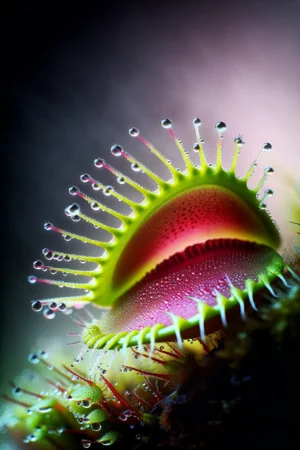
In the hidden corners of bogs and tropical forests, plants have evolved to become predators, turning the tables on nature's typical food chain. "Carnivorous Plants" delves into the sophisticated world of these remarkable botanical hunters, offering readers a comprehensive guide to understanding and cultivating these specialized plants. The book presents three core areas of focus: the evolutionary adaptations that enabled plants to become carnivorous, the diverse trapping mechanisms they employ, and practical cultivation techniques for both novice and experienced growers. Through detailed examination of species like Venus flytraps, pitcher plants, and sundews, readers discover how these plants developed their hunting abilities in response to nutrient-poor environments. Beginning with a foundation in plant biology, the text explores how carnivorous plants have modified standard plant structures into sophisticated trapping mechanisms. The first section examines the five primary trap types: snap traps, pitfall traps, sticky traps, suction traps, and lobster-pot traps. Each mechanism is analyzed through the lens of both evolutionary biology and mechanical function, supported by current research from botanical studies and field observations. The second section of the book focuses on the complex relationships between carnivorous plants and their prey, including detailed discussions of digestive enzymes, nutrient absorption, and the ecological roles these plants play in their native habitats. This portion draws from recent scientific studies, including DNA analysis and time-lapse photography, to illustrate the intricate processes involved in prey capture and digestion. The final third of the book transitions into practical cultivation guidance, providing detailed instructions for creating appropriate growing environments, maintaining proper humidity levels, and addressing common cultivation challenges. This section includes specific soil recipes, lighting requirements, and feeding protocols for different species, making it valuable for both windowsill growers and greenhouse enthusiasts. The text connects multiple scientific disciplines, including botany, evolution, chemistry, and ecology, while remaining accessible to readers with basic gardening knowledge. It addresses current conservation concerns, discussing habitat loss and the impact of climate change on wild populations of carnivorous plants. Written in a methodical, instructional style, the book balances technical information with practical applications. It serves both as a reference guide for serious collectors and an instructional manual for beginners. The content is supported by botanical illustrations, microscopy images, and step-by-step growing guides that clarify complex concepts and techniques. The book addresses several ongoing debates in the field, including the classification of borderline carnivorous species and optimal cultivation methods for challenging species. It also explores emerging research on potential medical applications, as scientists study the unique digestive enzymes these plants produce. While focusing primarily on commonly available species, the text includes information about rare varieties and their specific growing requirements. It provides context for collection ethics and the importance of obtaining plants from reputable nurseries rather than wild collection. This comprehensive guide is designed for botanical enthusiasts, gardeners, and students of plant science who seek to understand and successfully grow these specialized plants. It fills a niche between purely academic works and basic care guides, offering readers the scientific foundation and practical knowledge needed to appreciate and cultivate carnivorous plants successfully.
In the hidden corners of bogs and tropical forests, plants have evolved to become predators, turning the tables on nature's typical food chain. "Carnivorous Plants" delves into the sophisticated world of these remarkable botanical hunters, offering readers a comprehensive guide to understanding and cultivating these specialized plants. The book presents three core areas of focus: the evolutionary adaptations that enabled plants to become carnivorous, the diverse trapping mechanisms they employ, and practical cultivation techniques for both novice and experienced growers. Through detailed examination of species like Venus flytraps, pitcher plants, and sundews, readers discover how these plants developed their hunting abilities in response to nutrient-poor environments. Beginning with a foundation in plant biology, the text explores how carnivorous plants have modified standard plant structures into sophisticated trapping mechanisms. The first section examines the five primary trap types: snap traps, pitfall traps, sticky traps, suction traps, and lobster-pot traps. Each mechanism is analyzed through the lens of both evolutionary biology and mechanical function, supported by current research from botanical studies and field observations. The second section of the book focuses on the complex relationships between carnivorous plants and their prey, including detailed discussions of digestive enzymes, nutrient absorption, and the ecological roles these plants play in their native habitats. This portion draws from recent scientific studies, including DNA analysis and time-lapse photography, to illustrate the intricate processes involved in prey capture and digestion. The final third of the book transitions into practical cultivation guidance, providing detailed instructions for creating appropriate growing environments, maintaining proper humidity levels, and addressing common cultivation challenges. This section includes specific soil recipes, lighting requirements, and feeding protocols for different species, making it valuable for both windowsill growers and greenhouse enthusiasts. The text connects multiple scientific disciplines, including botany, evolution, chemistry, and ecology, while remaining accessible to readers with basic gardening knowledge. It addresses current conservation concerns, discussing habitat loss and the impact of climate change on wild populations of carnivorous plants. Written in a methodical, instructional style, the book balances technical information with practical applications. It serves both as a reference guide for serious collectors and an instructional manual for beginners. The content is supported by botanical illustrations, microscopy images, and step-by-step growing guides that clarify complex concepts and techniques. The book addresses several ongoing debates in the field, including the classification of borderline carnivorous species and optimal cultivation methods for challenging species. It also explores emerging research on potential medical applications, as scientists study the unique digestive enzymes these plants produce. While focusing primarily on commonly available species, the text includes information about rare varieties and their specific growing requirements. It provides context for collection ethics and the importance of obtaining plants from reputable nurseries rather than wild collection. This comprehensive guide is designed for botanical enthusiasts, gardeners, and students of plant science who seek to understand and successfully grow these specialized plants. It fills a niche between purely academic works and basic care guides, offering readers the scientific foundation and practical knowledge needed to appreciate and cultivate carnivorous plants successfully.
"Carnivorous Plants" explores the fascinating world of botanical predators, offering a unique blend of scientific insight and practical cultivation guidance. This comprehensive guide examines how these remarkable plants evolved to become hunters in nutrient-poor environments, developing sophisticated trapping mechanisms like the snap traps of Venus flytraps and the pitfall systems of pitcher plants. Through a combination of current research and detailed observations, the book reveals how these plants have turned the traditional food chain upside down, capturing and digesting prey to survive in challenging habitats. The book progresses logically from evolutionary biology to practical applications, first examining the five primary trap types and their mechanical functions. It delves into the complex relationships between these plants and their prey, supported by DNA analysis and time-lapse photography evidence. The final section provides detailed cultivation guidance, including specific soil recipes, lighting requirements, and feeding protocols that make it valuable for both windowsill growers and greenhouse enthusiasts. What sets this guide apart is its ability to bridge multiple scientific disciplines while remaining accessible to readers with basic gardening knowledge. It addresses current conservation concerns and emerging research while providing practical growing instructions for common species like sundews and pitcher plants. The methodical approach, combined with botanical illustrations and step-by-step growing guides, makes it an invaluable resource for anyone interested in understanding and successfully cultivating these unique predatory plants.
Book Details
ISBN
9788233957384
Publisher
Publifye AS
Your Licenses
You don't own any licenses for this book
Purchase a license below to unlock this book and download the EPUB.
Purchase License
Select a tier to unlock this book
Need bulk licensing?
Contact us for enterprise agreements.