
About This Book
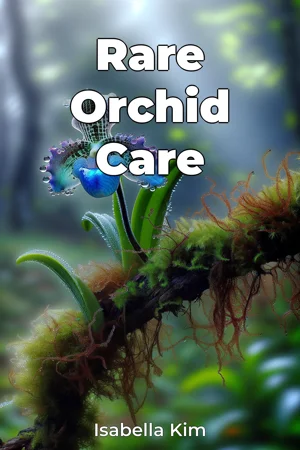
In a world where orchid enthusiasts often focus on common varieties, "Rare Orchid Care" opens new horizons by delving into the specialized world of rare and endangered orchid species. This comprehensive guide bridges the gap between casual orchid growing and the precise science of cultivating some of nature's most elusive flowering plants. The book presents three core areas: the biology and natural habitats of rare orchids, specialized cultivation techniques, and conservation principles for home growers. These interconnected topics form the foundation for successfully growing and preserving rare orchid species, many of which face extinction in their natural environments. Drawing from decades of research and practical experience, the text explores the distinct microclimates these specialized plants require. Readers learn how rare orchids have evolved to occupy specific ecological niches, from cloud forest canopies to limestone cliffs, and how to recreate these conditions in controlled environments. The main sections of the book progress logically from fundamental concepts to advanced techniques. The first part establishes essential knowledge about orchid biology, including detailed explanations of specialized root systems, symbiotic relationships with fungi, and the role of environmental factors in growth cycles. The second section provides step-by-step protocols for creating appropriate growing conditions, covering aspects such as light requirements, humidity control, and specialized growing media. The final section addresses preservation techniques and ethical collection practices. Supporting its guidance with peer-reviewed research from botanical institutions worldwide, the book includes detailed case studies of successful rare orchid cultivation programs. These studies incorporate data from both wild populations and cultivation attempts, providing readers with evidence-based approaches to rare orchid care. The text connects botanical science with practical horticulture and environmental conservation, making it relevant to both amateur enthusiasts and professional growers. It addresses the challenges of climate change and habitat loss, explaining how home growers can contribute to species preservation through proper cultivation techniques. Written in a technical yet accessible style, the book uses detailed diagrams, monthly care calendars, and troubleshooting guides to convey complex information clearly. It maintains a methodical approach while providing practical solutions to common cultivation challenges. The target audience includes experienced orchid growers ready to advance their expertise, conservation-minded horticulturists, and botanical garden staff. The book assumes basic knowledge of general orchid care but provides sufficient context for readers to build upon their existing skills. This guide covers species from various genera, focusing on those rated difficult to grow or endangered in their natural habitats. While comprehensive in its treatment of rare species, it intentionally excludes common hybrid varieties to maintain its specialized focus. Practical applications include detailed protocols for creating specialized growing environments, propagation techniques, and pest management strategies specific to rare species. The book addresses ongoing debates in the orchid community regarding cultivation methods and conservation approaches, presenting evidence-based solutions while acknowledging areas where consensus is still developing. The work's significance extends beyond individual growing success, positioning home cultivation as a vital component of species preservation. It provides readers with the knowledge to participate in the larger community of rare orchid conservation while achieving success with these challenging but rewarding plants.
In a world where orchid enthusiasts often focus on common varieties, "Rare Orchid Care" opens new horizons by delving into the specialized world of rare and endangered orchid species. This comprehensive guide bridges the gap between casual orchid growing and the precise science of cultivating some of nature's most elusive flowering plants. The book presents three core areas: the biology and natural habitats of rare orchids, specialized cultivation techniques, and conservation principles for home growers. These interconnected topics form the foundation for successfully growing and preserving rare orchid species, many of which face extinction in their natural environments. Drawing from decades of research and practical experience, the text explores the distinct microclimates these specialized plants require. Readers learn how rare orchids have evolved to occupy specific ecological niches, from cloud forest canopies to limestone cliffs, and how to recreate these conditions in controlled environments. The main sections of the book progress logically from fundamental concepts to advanced techniques. The first part establishes essential knowledge about orchid biology, including detailed explanations of specialized root systems, symbiotic relationships with fungi, and the role of environmental factors in growth cycles. The second section provides step-by-step protocols for creating appropriate growing conditions, covering aspects such as light requirements, humidity control, and specialized growing media. The final section addresses preservation techniques and ethical collection practices. Supporting its guidance with peer-reviewed research from botanical institutions worldwide, the book includes detailed case studies of successful rare orchid cultivation programs. These studies incorporate data from both wild populations and cultivation attempts, providing readers with evidence-based approaches to rare orchid care. The text connects botanical science with practical horticulture and environmental conservation, making it relevant to both amateur enthusiasts and professional growers. It addresses the challenges of climate change and habitat loss, explaining how home growers can contribute to species preservation through proper cultivation techniques. Written in a technical yet accessible style, the book uses detailed diagrams, monthly care calendars, and troubleshooting guides to convey complex information clearly. It maintains a methodical approach while providing practical solutions to common cultivation challenges. The target audience includes experienced orchid growers ready to advance their expertise, conservation-minded horticulturists, and botanical garden staff. The book assumes basic knowledge of general orchid care but provides sufficient context for readers to build upon their existing skills. This guide covers species from various genera, focusing on those rated difficult to grow or endangered in their natural habitats. While comprehensive in its treatment of rare species, it intentionally excludes common hybrid varieties to maintain its specialized focus. Practical applications include detailed protocols for creating specialized growing environments, propagation techniques, and pest management strategies specific to rare species. The book addresses ongoing debates in the orchid community regarding cultivation methods and conservation approaches, presenting evidence-based solutions while acknowledging areas where consensus is still developing. The work's significance extends beyond individual growing success, positioning home cultivation as a vital component of species preservation. It provides readers with the knowledge to participate in the larger community of rare orchid conservation while achieving success with these challenging but rewarding plants.
"Rare Orchid Care" stands as an authoritative guide bridging the gap between casual orchid cultivation and the sophisticated science of preserving endangered species. This comprehensive resource uniquely combines botanical science, practical horticulture, and conservation principles, making it invaluable for experienced growers and conservation-minded enthusiasts seeking to advance their expertise beyond common varieties. The book methodically progresses through three essential areas: the intricate biology of rare orchids and their natural habitats, specialized cultivation techniques for recreating specific ecological niches, and crucial conservation principles for home growers. Fascinating insights include the complex symbiotic relationships between orchids and fungi, and how these delicate plants have evolved to thrive in diverse environments from cloud forest canopies to limestone cliffs. Through detailed diagrams, monthly care calendars, and evidence-based case studies, readers learn to replicate these precise growing conditions in controlled environments. Supporting its guidance with peer-reviewed research, the text expertly balances technical depth with practical application, offering step-by-step protocols for creating appropriate growing conditions while addressing contemporary challenges like climate change and habitat loss. The book emphasizes how proper cultivation techniques by home growers can contribute meaningfully to species preservation, positioning private cultivation as a vital component of global conservation efforts while providing clear, actionable guidance for success with these challenging but rewarding plants.
Book Details
ISBN
9788233957353
Publisher
Publifye AS
Your Licenses
You don't own any licenses for this book
Purchase a license below to unlock this book and download the EPUB.
Purchase License
Select a tier to unlock this book
Need bulk licensing?
Contact us for enterprise agreements.