
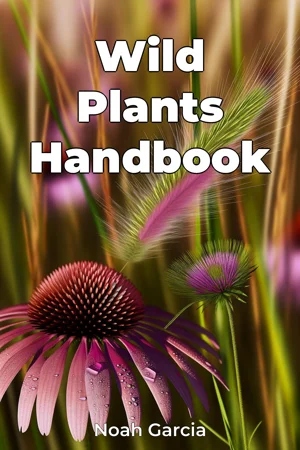
About This Book
In an era where artificial landscapes dominate our surroundings, wild plants remain nature's resilient architects, playing crucial roles in ecosystem stability and human well-being. "Wild Plants Handbook" presents a comprehensive exploration of indigenous flora, their ecological significance, and their practical applications in both natural and managed environments. The book systematically examines three core aspects of wild plants: their ecological functions within natural habitats, their relationships with other species, and their potential applications in sustainable landscaping and conservation. Through detailed botanical profiles and habitat analysis, readers gain insight into how these plants maintain biodiversity, support wildlife populations, and contribute to ecosystem resilience. Drawing from extensive field research and botanical studies across diverse ecosystems, the text provides readers with practical identification guides, seasonal behavior patterns, and ecological interactions of common wild plant species. The first section establishes fundamental botanical concepts and classification methods, enabling readers to understand plant morphology and distribution patterns. The second section delves into specific habitat types—from woodlands to wetlands—examining how wild plants adapt and thrive in various conditions. The final section bridges theory with practice, offering guidance on incorporating wild plants into conservation efforts and sustainable landscape design. The book's research foundation includes collaborative studies from botanical gardens, wilderness preservation programs, and ecological restoration projects. It incorporates recent findings in plant biology, soil science, and climate adaptation, providing readers with current, evidence-based information about wild plant communities and their environmental impact. Interdisciplinary connections link botanical science with climate studies, showing how wild plants serve as indicators of environmental change and adaptation. The text also explores connections between plant ecology and human health, discussing traditional medicinal uses and modern applications in natural medicine and nutrition. The writing maintains an informative, scientific tone while remaining accessible to both amateur naturalists and professional botanists. Technical terms are clearly defined, and complex concepts are illustrated through practical examples and case studies. Each chapter includes detailed photographs, diagrams, and maps to support visual learning and field identification. This handbook serves multiple audiences: conservation professionals will find detailed ecological data and management strategies; landscape architects can learn about incorporating native species into design projects; and outdoor enthusiasts will discover tools for understanding and appreciating wild plant communities during their nature explorations. The scope encompasses temperate zone plants, with particular attention to species found in North America and Europe. While the book acknowledges global plant diversity, it focuses on regions where readers are most likely to encounter and work with wild plant species. This geographical focus allows for deeper, more practical coverage of relevant species and their habitats. Practical applications include guidance for habitat restoration, sustainable foraging practices, and creating wildlife-friendly landscapes. The text addresses current debates in conservation biology, including the role of non-native species and the impact of climate change on plant communities. It presents balanced perspectives on management approaches while emphasizing evidence-based best practices for plant conservation and habitat preservation. Through its systematic approach to understanding wild plants, this handbook equips readers with the knowledge and tools needed to appreciate, protect, and work with natural plant communities in an informed and responsible manner.
In an era where artificial landscapes dominate our surroundings, wild plants remain nature's resilient architects, playing crucial roles in ecosystem stability and human well-being. "Wild Plants Handbook" presents a comprehensive exploration of indigenous flora, their ecological significance, and their practical applications in both natural and managed environments. The book systematically examines three core aspects of wild plants: their ecological functions within natural habitats, their relationships with other species, and their potential applications in sustainable landscaping and conservation. Through detailed botanical profiles and habitat analysis, readers gain insight into how these plants maintain biodiversity, support wildlife populations, and contribute to ecosystem resilience. Drawing from extensive field research and botanical studies across diverse ecosystems, the text provides readers with practical identification guides, seasonal behavior patterns, and ecological interactions of common wild plant species. The first section establishes fundamental botanical concepts and classification methods, enabling readers to understand plant morphology and distribution patterns. The second section delves into specific habitat types—from woodlands to wetlands—examining how wild plants adapt and thrive in various conditions. The final section bridges theory with practice, offering guidance on incorporating wild plants into conservation efforts and sustainable landscape design. The book's research foundation includes collaborative studies from botanical gardens, wilderness preservation programs, and ecological restoration projects. It incorporates recent findings in plant biology, soil science, and climate adaptation, providing readers with current, evidence-based information about wild plant communities and their environmental impact. Interdisciplinary connections link botanical science with climate studies, showing how wild plants serve as indicators of environmental change and adaptation. The text also explores connections between plant ecology and human health, discussing traditional medicinal uses and modern applications in natural medicine and nutrition. The writing maintains an informative, scientific tone while remaining accessible to both amateur naturalists and professional botanists. Technical terms are clearly defined, and complex concepts are illustrated through practical examples and case studies. Each chapter includes detailed photographs, diagrams, and maps to support visual learning and field identification. This handbook serves multiple audiences: conservation professionals will find detailed ecological data and management strategies; landscape architects can learn about incorporating native species into design projects; and outdoor enthusiasts will discover tools for understanding and appreciating wild plant communities during their nature explorations. The scope encompasses temperate zone plants, with particular attention to species found in North America and Europe. While the book acknowledges global plant diversity, it focuses on regions where readers are most likely to encounter and work with wild plant species. This geographical focus allows for deeper, more practical coverage of relevant species and their habitats. Practical applications include guidance for habitat restoration, sustainable foraging practices, and creating wildlife-friendly landscapes. The text addresses current debates in conservation biology, including the role of non-native species and the impact of climate change on plant communities. It presents balanced perspectives on management approaches while emphasizing evidence-based best practices for plant conservation and habitat preservation. Through its systematic approach to understanding wild plants, this handbook equips readers with the knowledge and tools needed to appreciate, protect, and work with natural plant communities in an informed and responsible manner.
"Wild Plants Handbook" offers a comprehensive exploration of indigenous flora, presenting a vital perspective on nature's resilient botanical architects and their crucial role in maintaining ecosystem health. This authoritative guide systematically examines wild plants through three fundamental lenses: their ecological functions, species relationships, and practical applications in sustainable landscaping and conservation. The book's approach uniquely bridges the gap between scientific understanding and practical implementation, making complex botanical concepts accessible to both amateur naturalists and professional botanists. The handbook progresses logically from foundational botanical concepts to specific habitat explorations, culminating in practical applications for conservation and landscape design. It incorporates cutting-edge research from botanical gardens and wilderness preservation programs, providing readers with evidence-based insights into plant communities and their environmental impact. Particularly valuable are the detailed botanical profiles and habitat analyses that help readers understand how wild plants support biodiversity and contribute to ecosystem resilience. Through detailed photographs, diagrams, and maps, the book serves as an indispensable resource for multiple audiences, from conservation professionals to outdoor enthusiasts. It focuses primarily on temperate zone plants in North America and Europe, offering practical guidance for habitat restoration, sustainable foraging, and wildlife-friendly landscaping. The text expertly balances scientific rigor with accessibility, making it an essential reference for anyone interested in understanding and working with natural plant communities.
Book Details
ISBN
9788233957315
Publisher
Publifye AS
Your Licenses
You don't own any licenses for this book
Purchase a license below to unlock this book and download the EPUB.
Purchase License
Select a tier to unlock this book
Need bulk licensing?
Contact us for enterprise agreements.