
About This Book
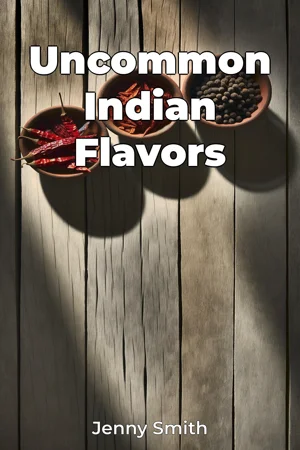
"Uncommon Indian Flavors" delves into the hidden culinary treasures that exist beyond the familiar realm of Indian cuisine, documenting recipes and techniques that have remained largely undiscovered outside their native regions. The book meticulously explores three distinct aspects of rare Indian dishes: the historical evolution of regional cooking methods, the influence of geographical and climatic conditions on ingredient selection, and the cultural significance of dishes that have maintained their authenticity despite centuries of external influences. Through detailed research spanning multiple states and communities, the work illuminates how factors such as trade routes, religious migrations, and local agricultural practices have shaped these lesser-known culinary traditions. Central to the book's thesis is the argument that India's culinary diversity extends far beyond the standardized restaurant menus and popular perceptions of Indian food. The text presents evidence gathered through extensive fieldwork, including interviews with village elders, traditional home cooks, and regional food historians. Each chapter incorporates documented recipes, cooking techniques, and ingredient profiles specific to different geographical zones. The content is structured in three major sections. The first examines rare dishes from India's coastal regions, including the lesser-known seafood preparations of the Konkan coast and the unique fermented fish preparations of the Northeast. The second section focuses on tribal culinary practices, documenting unusual ingredients and preservation methods from remote forest communities. The third explores forgotten royal cuisines from smaller princely states, presenting recipes that were once reserved for ceremonial occasions. Supporting research draws from archaeological findings, ancient manuscripts, and documented oral histories. The book includes detailed botanical information about indigenous ingredients, their traditional medicinal properties, and their role in local food systems. This interdisciplinary approach connects culinary practices with anthropology, agriculture, and medical traditions. The writing style maintains an academic foundation while remaining accessible to culinary enthusiasts. Technical terms are carefully explained, and traditional cooking methods are described with precision to ensure practical applicability. The text includes detailed notes on ingredient substitutions and modern adaptations of traditional techniques, making these rare recipes accessible to contemporary cooks. This work serves multiple audiences: professional chefs seeking to expand their repertoire, food historians documenting cultural heritage, and home cooks interested in exploring authentic Indian cuisine. The book addresses current debates about food authenticity and cultural preservation, discussing how traditional recipes adapt to modern dietary preferences while maintaining their essential character. The scope encompasses recipes and techniques from regions typically underrepresented in Indian cookbooks, though it intentionally excludes already well-documented classical dishes. Each recipe includes context about its cultural significance, seasonal relevance, and role in local traditions. The work provides practical guidance for sourcing ingredients and adapting traditional cooking methods to modern kitchens. Through its comprehensive examination of rare Indian dishes, "Uncommon Indian Flavors" contributes to the preservation of culinary heritage while making these unique flavors and techniques accessible to a global audience. The book serves as both a scholarly reference and a practical guide, documenting traditional knowledge while ensuring its relevance for contemporary cooking.
"Uncommon Indian Flavors" delves into the hidden culinary treasures that exist beyond the familiar realm of Indian cuisine, documenting recipes and techniques that have remained largely undiscovered outside their native regions. The book meticulously explores three distinct aspects of rare Indian dishes: the historical evolution of regional cooking methods, the influence of geographical and climatic conditions on ingredient selection, and the cultural significance of dishes that have maintained their authenticity despite centuries of external influences. Through detailed research spanning multiple states and communities, the work illuminates how factors such as trade routes, religious migrations, and local agricultural practices have shaped these lesser-known culinary traditions. Central to the book's thesis is the argument that India's culinary diversity extends far beyond the standardized restaurant menus and popular perceptions of Indian food. The text presents evidence gathered through extensive fieldwork, including interviews with village elders, traditional home cooks, and regional food historians. Each chapter incorporates documented recipes, cooking techniques, and ingredient profiles specific to different geographical zones. The content is structured in three major sections. The first examines rare dishes from India's coastal regions, including the lesser-known seafood preparations of the Konkan coast and the unique fermented fish preparations of the Northeast. The second section focuses on tribal culinary practices, documenting unusual ingredients and preservation methods from remote forest communities. The third explores forgotten royal cuisines from smaller princely states, presenting recipes that were once reserved for ceremonial occasions. Supporting research draws from archaeological findings, ancient manuscripts, and documented oral histories. The book includes detailed botanical information about indigenous ingredients, their traditional medicinal properties, and their role in local food systems. This interdisciplinary approach connects culinary practices with anthropology, agriculture, and medical traditions. The writing style maintains an academic foundation while remaining accessible to culinary enthusiasts. Technical terms are carefully explained, and traditional cooking methods are described with precision to ensure practical applicability. The text includes detailed notes on ingredient substitutions and modern adaptations of traditional techniques, making these rare recipes accessible to contemporary cooks. This work serves multiple audiences: professional chefs seeking to expand their repertoire, food historians documenting cultural heritage, and home cooks interested in exploring authentic Indian cuisine. The book addresses current debates about food authenticity and cultural preservation, discussing how traditional recipes adapt to modern dietary preferences while maintaining their essential character. The scope encompasses recipes and techniques from regions typically underrepresented in Indian cookbooks, though it intentionally excludes already well-documented classical dishes. Each recipe includes context about its cultural significance, seasonal relevance, and role in local traditions. The work provides practical guidance for sourcing ingredients and adapting traditional cooking methods to modern kitchens. Through its comprehensive examination of rare Indian dishes, "Uncommon Indian Flavors" contributes to the preservation of culinary heritage while making these unique flavors and techniques accessible to a global audience. The book serves as both a scholarly reference and a practical guide, documenting traditional knowledge while ensuring its relevance for contemporary cooking.
"Uncommon Indian Flavors" takes readers on a fascinating journey through India's lesser-known culinary landscapes, unveiling recipes and traditions that have remained hidden from mainstream food culture. This comprehensive exploration goes beyond typical restaurant fare to document rare dishes from coastal communities, tribal regions, and forgotten royal kitchens, presenting a rich tapestry of India's diverse culinary heritage. The book masterfully weaves together three distinct narratives: the historical development of regional cooking techniques, the impact of geography and climate on ingredient selection, and the preservation of authentic dishes despite centuries of change. Through extensive fieldwork and interviews with village elders, home cooks, and food historians, readers discover intriguing preparations like the unique fermented fish dishes of the Northeast and ceremonial recipes from small princely states that were once reserved for special occasions. Structured in three main sections, the book progresses from coastal specialties to tribal culinary practices and royal cuisines, making these rare recipes accessible to modern cooks through detailed instructions and ingredient substitutions. What sets this work apart is its scholarly yet approachable presentation, combining anthropological research with practical cooking guidance. The inclusion of traditional medicinal properties of ingredients and their roles in local food systems provides readers with a deeper understanding of Indian cuisine's cultural significance while offering practical ways to incorporate these uncommon flavors into contemporary kitchens.
Book Details
ISBN
9788233957254
Publisher
Publifye AS
Your Licenses
You don't own any licenses for this book
Purchase a license below to unlock this book and download the EPUB.
Purchase License
Select a tier to unlock this book
Need bulk licensing?
Contact us for enterprise agreements.