
About This Book
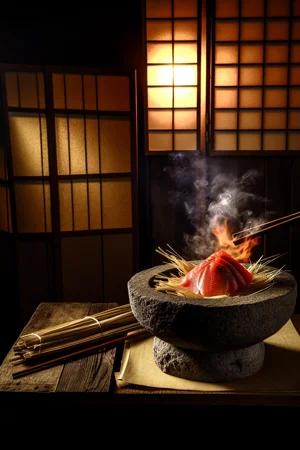
Beyond the familiar sushi and ramen lies a treasure trove of Japanese dishes that have remained hidden from the global culinary spotlight. "Hidden Japanese Dishes" delves deep into Japan's regional kitchens, uncovering centuries-old recipes and cooking techniques that have been preserved through generations of local cooks and food artisans. This comprehensive exploration of Japan's lesser-known culinary traditions examines three primary aspects: regional preservation methods that predate modern refrigeration, ceremonial dishes specific to remote communities, and the adaptation of local ingredients in isolated areas. Through detailed research conducted across Japan's 47 prefectures, the book presents a methodical documentation of cooking practices that risk being lost to time. The text is organized geographically, beginning with the northern island of Hokkaido and its distinctive Ainu culinary traditions, moving through the main island of Honshu's rural communities, and concluding with the subtropical influences found in Okinawan cuisine. Each section illuminates the connection between geography, climate, and local food cultivation, demonstrating how these factors shaped distinct regional cooking styles. Drawing from primary sources including temple records, family manuscripts, and interviews with elderly community members, the book presents authentic recipes alongside their historical context. Readers will discover dishes like Sanuki's "hone-tsuki-dozeu" (riverside-caught loach soup), Tohoku's "hittsumi" (hand-pulled flat dumplings), and Shikoku's "katsuo-no-tataki" prepared using traditional burning straw methods. The research encompasses both anthropological and culinary perspectives, examining how food preservation techniques evolved differently across regions based on local climate conditions and available ingredients. This interdisciplinary approach connects culinary practices with agricultural history, religious customs, and social structures, providing readers with a complete understanding of how these dishes emerged and endured. The book maintains an academic foundation while remaining accessible to home cooks and food enthusiasts. Detailed recipe instructions are complemented by notes on ingredient substitutions for readers outside Japan, making these traditional dishes reproducible in modern kitchens while maintaining authenticity. "Hidden Japanese Dishes" is particularly valuable for culinary professionals, food historians, and serious home cooks interested in Japanese cuisine beyond popular dishes. The work includes practical guidance on traditional cooking methods, detailed descriptions of regional ingredients, and explanations of the cultural significance behind each dish. The text addresses ongoing debates about food preservation and the standardization of Japanese cuisine, examining how regional variations contribute to the broader understanding of Japanese culinary heritage. It also explores the challenge of maintaining traditional cooking methods in contemporary society and the efforts of local communities to preserve their culinary heritage. Throughout the book, careful attention is paid to documenting the seasonal nature of dishes, the specific cooking vessels traditionally used, and the proper serving methods. This level of detail provides readers with both practical cooking knowledge and a deeper appreciation for the complexity of Japanese regional cuisine. The work concludes with a discussion of how these traditional methods and recipes can inform modern sustainable cooking practices, highlighting the relevance of historical food preservation techniques in contemporary cuisine. By examining these lesser-known dishes, the book contributes to the broader documentation and preservation of Japan's diverse culinary heritage.
Beyond the familiar sushi and ramen lies a treasure trove of Japanese dishes that have remained hidden from the global culinary spotlight. "Hidden Japanese Dishes" delves deep into Japan's regional kitchens, uncovering centuries-old recipes and cooking techniques that have been preserved through generations of local cooks and food artisans. This comprehensive exploration of Japan's lesser-known culinary traditions examines three primary aspects: regional preservation methods that predate modern refrigeration, ceremonial dishes specific to remote communities, and the adaptation of local ingredients in isolated areas. Through detailed research conducted across Japan's 47 prefectures, the book presents a methodical documentation of cooking practices that risk being lost to time. The text is organized geographically, beginning with the northern island of Hokkaido and its distinctive Ainu culinary traditions, moving through the main island of Honshu's rural communities, and concluding with the subtropical influences found in Okinawan cuisine. Each section illuminates the connection between geography, climate, and local food cultivation, demonstrating how these factors shaped distinct regional cooking styles. Drawing from primary sources including temple records, family manuscripts, and interviews with elderly community members, the book presents authentic recipes alongside their historical context. Readers will discover dishes like Sanuki's "hone-tsuki-dozeu" (riverside-caught loach soup), Tohoku's "hittsumi" (hand-pulled flat dumplings), and Shikoku's "katsuo-no-tataki" prepared using traditional burning straw methods. The research encompasses both anthropological and culinary perspectives, examining how food preservation techniques evolved differently across regions based on local climate conditions and available ingredients. This interdisciplinary approach connects culinary practices with agricultural history, religious customs, and social structures, providing readers with a complete understanding of how these dishes emerged and endured. The book maintains an academic foundation while remaining accessible to home cooks and food enthusiasts. Detailed recipe instructions are complemented by notes on ingredient substitutions for readers outside Japan, making these traditional dishes reproducible in modern kitchens while maintaining authenticity. "Hidden Japanese Dishes" is particularly valuable for culinary professionals, food historians, and serious home cooks interested in Japanese cuisine beyond popular dishes. The work includes practical guidance on traditional cooking methods, detailed descriptions of regional ingredients, and explanations of the cultural significance behind each dish. The text addresses ongoing debates about food preservation and the standardization of Japanese cuisine, examining how regional variations contribute to the broader understanding of Japanese culinary heritage. It also explores the challenge of maintaining traditional cooking methods in contemporary society and the efforts of local communities to preserve their culinary heritage. Throughout the book, careful attention is paid to documenting the seasonal nature of dishes, the specific cooking vessels traditionally used, and the proper serving methods. This level of detail provides readers with both practical cooking knowledge and a deeper appreciation for the complexity of Japanese regional cuisine. The work concludes with a discussion of how these traditional methods and recipes can inform modern sustainable cooking practices, highlighting the relevance of historical food preservation techniques in contemporary cuisine. By examining these lesser-known dishes, the book contributes to the broader documentation and preservation of Japan's diverse culinary heritage.
"Hidden Japanese Dishes" unveils a fascinating exploration of Japan's lesser-known culinary traditions, venturing far beyond familiar favorites like sushi and ramen. This meticulously researched work traverses the country's 47 prefectures, documenting centuries-old cooking techniques, preservation methods, and regional specialties that have remained largely undiscovered by the global food community. The book reveals how geography, climate, and local ingredients have shaped distinct cooking styles across Japan's diverse regions, from Hokkaido's Ainu traditions to Okinawa's subtropical influences. Through a blend of historical records, family manuscripts, and firsthand accounts from community elders, readers discover intriguing dishes like Sanuki's riverside-caught loach soup and Tohoku's hand-pulled flat dumplings. The text thoughtfully examines how different regions developed unique preservation techniques before modern refrigeration, while exploring the deep connections between food, religious customs, and social structures. Each recipe is presented with both its historical context and practical cooking instructions, making traditional methods accessible to modern home cooks. The book progresses geographically through Japan, offering a comprehensive view of the country's culinary diversity while maintaining a careful balance between academic insight and practical application. Whether exploring temple food records or interviewing local food artisans, the work serves as both a valuable historical document and a practical guide for those seeking to understand and preserve Japan's rich culinary heritage. Particular attention is paid to seasonal ingredients, traditional cooking vessels, and authentic serving methods, ensuring readers gain a complete understanding of these hidden culinary treasures.
Book Details
ISBN
9788233957162
Publisher
Publifye AS
Your Licenses
You don't own any licenses for this book
Purchase a license below to unlock this book and download the EPUB.
Purchase License
Select a tier to unlock this book
Need bulk licensing?
Contact us for enterprise agreements.