
About This Book
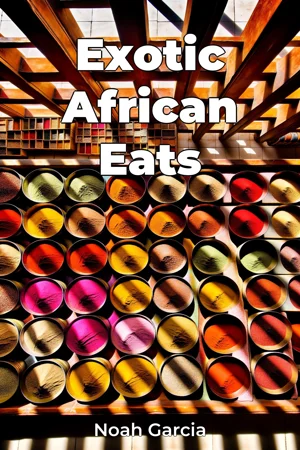
"Exotic African Eats" takes readers on a comprehensive journey through the diverse culinary landscapes of Africa, unveiling centuries-old cooking traditions that have shaped the continent's food identity. From the aromatic spice markets of Morocco to the fertile valleys of Ethiopia, this book maps the intricate web of ingredients, techniques, and cultural significance behind African cuisine. The book explores three primary themes: indigenous ingredients and their nutritional profiles, traditional cooking methods that have survived generations, and the social customs that frame African dining experiences. Each region's distinct culinary personality emerges through detailed examinations of signature dishes, from West African jollof rice to East African injera bread, revealing how geography, climate, and trade routes have influenced local food cultures. Drawing from extensive field research and collaborations with local chefs, food historians, and community elders, the book presents firsthand accounts and documented recipes that showcase the sophistication of African cooking techniques. Readers learn about preservation methods like fermentation in South African brewing traditions, smoking techniques in Ghanaian kitchens, and the complex spice mixing rituals of North African cuisine. The narrative is structured in regional chapters, each beginning with a geographical and historical context that explains how factors such as colonization, migration, and climate have shaped local food traditions. The book demonstrates how African cuisine has influenced global food culture, particularly in the Americas and Europe, through the dispersion of ingredients like coffee, okra, and various grains. Practical elements include detailed guides to essential African pantry items, proper usage of traditional cooking tools, and step-by-step instructions for fundamental techniques. The book addresses the challenges of adapting African recipes for modern kitchens while maintaining their authenticity, providing suitable substitutions for hard-to-find ingredients. The content connects anthropology, agriculture, and nutrition, examining how traditional African diets contribute to health and sustainability. Agricultural practices and food security issues are discussed, highlighting how ancient farming wisdom remains relevant to contemporary food production challenges. Written in an instructive yet engaging style, the text balances scholarly research with accessible explanations, making it valuable for both culinary professionals and home cooks. The book includes documented evidence from agricultural studies, nutritional analyses, and historical records, substantiating claims about ingredient properties and cooking methods. "Exotic African Eats" serves multiple audiences: culinary students seeking to expand their global cuisine knowledge, food historians researching cultural preservation, and home cooks interested in authentic African recipes. The book addresses common misconceptions about African cuisine, presenting it as a sophisticated, diverse culinary tradition rather than a monolithic cooking style. While focusing primarily on traditional methods and ingredients, the book acknowledges modern adaptations and fusion approaches, showing how African cuisine continues to evolve while maintaining its core principles. It examines current debates about food sovereignty and the preservation of culinary heritage in the face of globalization. The scope encompasses both rural and urban food traditions, though it primarily focuses on techniques and recipes that have remained consistent over generations. The book provides practical guidance for readers to incorporate African cooking methods and flavor principles into their daily cooking, regardless of their location or experience level.
"Exotic African Eats" takes readers on a comprehensive journey through the diverse culinary landscapes of Africa, unveiling centuries-old cooking traditions that have shaped the continent's food identity. From the aromatic spice markets of Morocco to the fertile valleys of Ethiopia, this book maps the intricate web of ingredients, techniques, and cultural significance behind African cuisine. The book explores three primary themes: indigenous ingredients and their nutritional profiles, traditional cooking methods that have survived generations, and the social customs that frame African dining experiences. Each region's distinct culinary personality emerges through detailed examinations of signature dishes, from West African jollof rice to East African injera bread, revealing how geography, climate, and trade routes have influenced local food cultures. Drawing from extensive field research and collaborations with local chefs, food historians, and community elders, the book presents firsthand accounts and documented recipes that showcase the sophistication of African cooking techniques. Readers learn about preservation methods like fermentation in South African brewing traditions, smoking techniques in Ghanaian kitchens, and the complex spice mixing rituals of North African cuisine. The narrative is structured in regional chapters, each beginning with a geographical and historical context that explains how factors such as colonization, migration, and climate have shaped local food traditions. The book demonstrates how African cuisine has influenced global food culture, particularly in the Americas and Europe, through the dispersion of ingredients like coffee, okra, and various grains. Practical elements include detailed guides to essential African pantry items, proper usage of traditional cooking tools, and step-by-step instructions for fundamental techniques. The book addresses the challenges of adapting African recipes for modern kitchens while maintaining their authenticity, providing suitable substitutions for hard-to-find ingredients. The content connects anthropology, agriculture, and nutrition, examining how traditional African diets contribute to health and sustainability. Agricultural practices and food security issues are discussed, highlighting how ancient farming wisdom remains relevant to contemporary food production challenges. Written in an instructive yet engaging style, the text balances scholarly research with accessible explanations, making it valuable for both culinary professionals and home cooks. The book includes documented evidence from agricultural studies, nutritional analyses, and historical records, substantiating claims about ingredient properties and cooking methods. "Exotic African Eats" serves multiple audiences: culinary students seeking to expand their global cuisine knowledge, food historians researching cultural preservation, and home cooks interested in authentic African recipes. The book addresses common misconceptions about African cuisine, presenting it as a sophisticated, diverse culinary tradition rather than a monolithic cooking style. While focusing primarily on traditional methods and ingredients, the book acknowledges modern adaptations and fusion approaches, showing how African cuisine continues to evolve while maintaining its core principles. It examines current debates about food sovereignty and the preservation of culinary heritage in the face of globalization. The scope encompasses both rural and urban food traditions, though it primarily focuses on techniques and recipes that have remained consistent over generations. The book provides practical guidance for readers to incorporate African cooking methods and flavor principles into their daily cooking, regardless of their location or experience level.
"Exotic African Eats" presents a comprehensive exploration of Africa's rich culinary heritage, taking readers on a continent-wide journey through diverse regional cooking traditions and cultural practices. The book masterfully weaves together the stories of indigenous ingredients, time-honored cooking techniques, and the social customs that make African cuisine unique. From the complex spice blends of North Africa to the fermentation practices of South African brewing, each chapter unveils the distinctive characteristics of regional cooking styles while explaining how geography, climate, and historical trade routes have shaped local food traditions. Through collaborations with local chefs, food historians, and community elders, the book offers authentic insights into traditional cooking methods and their modern applications. Readers discover fascinating details about signature dishes like West African jollof rice and East African injera bread, along with practical guidance on essential pantry items and traditional cooking tools. The book stands out for its thorough examination of preservation techniques, including smoking methods in Ghana and fermentation practices that have been passed down through generations. What makes this work particularly valuable is its balanced approach to tradition and accessibility, offering suitable ingredient substitutions for modern kitchens while maintaining authenticity. The book bridges anthropology and culinary arts, examining how traditional African diets contribute to health and sustainability while addressing contemporary food security challenges. Whether you're a culinary professional seeking to expand your global cuisine knowledge or a home cook interested in exploring authentic African recipes, this comprehensive guide provides both practical instruction and cultural context.
Book Details
ISBN
9788233957124
Publisher
Publifye AS
Your Licenses
You don't own any licenses for this book
Purchase a license below to unlock this book and download the EPUB.
Purchase License
Select a tier to unlock this book
Need bulk licensing?
Contact us for enterprise agreements.