
About This Book
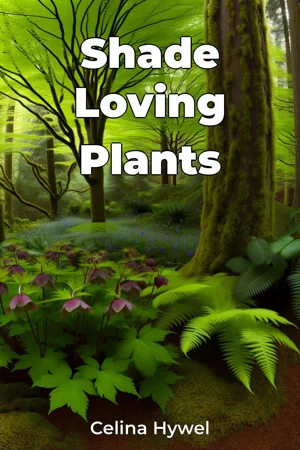
"Shade Loving Plants" illuminates the often-overlooked potential of gardens that receive minimal sunlight, demonstrating how areas once considered challenging can become vibrant growing spaces. This comprehensive guide transforms common misconceptions about shade gardening into opportunities for creating lush, sustainable landscapes. The book systematically explores three primary categories of shade-tolerant plants: woodland species that naturally grow under forest canopies, tropical understory plants adapted to filtered light, and evolved urban varieties that thrive in man-made shade conditions. These classifications provide readers with a framework for understanding how different plants have adapted to low-light environments through various mechanisms and features. Drawing from botanical research and horticultural studies, the text examines the science behind photosynthesis in low-light conditions and how certain plants have developed specialized cellular structures to maximize limited light exposure. This scientific foundation helps readers understand why specific plants succeed in shade while others struggle, enabling more informed plant selection and care decisions. The content is structured in four main sections, beginning with an analysis of different shade types - from dappled to deep shade - and how to assess your specific growing conditions. The second section provides detailed profiles of over 200 shade-tolerant plants, including ferns, hostas, hellebores, and woodland wildflowers, with specific information about growth patterns, soil preferences, and maintenance requirements. The third section addresses design principles for shade gardens, including techniques for creating depth, texture, and year-round interest. The final section covers practical aspects of shade garden maintenance, including soil preparation, moisture management, and pest control. The book incorporates findings from botanical gardens worldwide, featuring case studies from successful shade gardens in various climates. These real-world examples demonstrate how different regions have adapted shade gardening techniques to local conditions, providing readers with adaptable solutions for their specific situations. Connecting horticulture with environmental science, the text explores how shade gardens contribute to urban cooling, support local ecosystems, and provide habitat for beneficial insects and wildlife. The book also examines the historical use of shade-tolerant plants in traditional gardens across different cultures, offering insights into time-tested growing techniques. Written in a clear, instructional style, the book balances technical information with practical guidance, making it accessible to both novice gardeners and experienced horticulturists. Each chapter includes detailed photographs, illustrations, and diagrams that clarify key concepts and plant identification. The target audience includes home gardeners, landscape designers, and urban planners looking to maximize the potential of shaded spaces. The book is particularly relevant for urban and suburban gardeners dealing with shade from buildings and established trees, as well as those interested in creating environmentally sustainable landscapes. The scope encompasses both ornamental and practical aspects of shade gardening, including sections on growing shade-tolerant herbs and edible plants. While focused primarily on temperate climate zones, the book includes information about adapting techniques for different regions and growing conditions. Throughout the text, readers will find practical applications, including detailed planting plans, maintenance calendars, and troubleshooting guides for common shade garden challenges. The book addresses current debates in sustainable gardening practices, including the role of native versus non-native species in shade gardens and approaches to urban landscape adaptation in response to climate change.
"Shade Loving Plants" illuminates the often-overlooked potential of gardens that receive minimal sunlight, demonstrating how areas once considered challenging can become vibrant growing spaces. This comprehensive guide transforms common misconceptions about shade gardening into opportunities for creating lush, sustainable landscapes. The book systematically explores three primary categories of shade-tolerant plants: woodland species that naturally grow under forest canopies, tropical understory plants adapted to filtered light, and evolved urban varieties that thrive in man-made shade conditions. These classifications provide readers with a framework for understanding how different plants have adapted to low-light environments through various mechanisms and features. Drawing from botanical research and horticultural studies, the text examines the science behind photosynthesis in low-light conditions and how certain plants have developed specialized cellular structures to maximize limited light exposure. This scientific foundation helps readers understand why specific plants succeed in shade while others struggle, enabling more informed plant selection and care decisions. The content is structured in four main sections, beginning with an analysis of different shade types - from dappled to deep shade - and how to assess your specific growing conditions. The second section provides detailed profiles of over 200 shade-tolerant plants, including ferns, hostas, hellebores, and woodland wildflowers, with specific information about growth patterns, soil preferences, and maintenance requirements. The third section addresses design principles for shade gardens, including techniques for creating depth, texture, and year-round interest. The final section covers practical aspects of shade garden maintenance, including soil preparation, moisture management, and pest control. The book incorporates findings from botanical gardens worldwide, featuring case studies from successful shade gardens in various climates. These real-world examples demonstrate how different regions have adapted shade gardening techniques to local conditions, providing readers with adaptable solutions for their specific situations. Connecting horticulture with environmental science, the text explores how shade gardens contribute to urban cooling, support local ecosystems, and provide habitat for beneficial insects and wildlife. The book also examines the historical use of shade-tolerant plants in traditional gardens across different cultures, offering insights into time-tested growing techniques. Written in a clear, instructional style, the book balances technical information with practical guidance, making it accessible to both novice gardeners and experienced horticulturists. Each chapter includes detailed photographs, illustrations, and diagrams that clarify key concepts and plant identification. The target audience includes home gardeners, landscape designers, and urban planners looking to maximize the potential of shaded spaces. The book is particularly relevant for urban and suburban gardeners dealing with shade from buildings and established trees, as well as those interested in creating environmentally sustainable landscapes. The scope encompasses both ornamental and practical aspects of shade gardening, including sections on growing shade-tolerant herbs and edible plants. While focused primarily on temperate climate zones, the book includes information about adapting techniques for different regions and growing conditions. Throughout the text, readers will find practical applications, including detailed planting plans, maintenance calendars, and troubleshooting guides for common shade garden challenges. The book addresses current debates in sustainable gardening practices, including the role of native versus non-native species in shade gardens and approaches to urban landscape adaptation in response to climate change.
"Shade Loving Plants" revolutionizes the approach to gardening in low-light conditions, turning what many consider a gardening challenge into an opportunity for creating thriving, diverse landscapes. The book expertly navigates through three main categories of shade-tolerant plants: woodland species, tropical understory plants, and urban-adapted varieties, providing readers with a comprehensive understanding of how different plants have evolved to flourish in low-light environments. Through detailed scientific explanations of photosynthesis adaptations and specialized cellular structures, readers gain crucial insights into why certain plants excel in shaded conditions. The book's four-section structure progressively builds knowledge, beginning with an essential analysis of shade types and growing conditions, then moving through detailed profiles of over 200 shade-tolerant plants, including popular varieties like hostas, ferns, and hellebores. The latter sections delve into design principles and practical maintenance aspects, making the information accessible to both novice gardeners and seasoned horticulturists. Real-world case studies from botanical gardens worldwide demonstrate successful shade gardening techniques across various climates and conditions. What sets this guide apart is its holistic approach, connecting traditional horticultural practices with environmental science and sustainability. The book explores how shade gardens contribute to urban cooling and support local ecosystems, while also providing practical applications through detailed planting plans and maintenance calendars. Whether dealing with dappled shade beneath trees or deep shade between buildings, readers will find actionable solutions for transforming challenging spaces into vibrant, sustainable gardens.
Book Details
ISBN
9788233957087
Publisher
Publifye AS
Your Licenses
You don't own any licenses for this book
Purchase a license below to unlock this book and download the EPUB.
Purchase License
Select a tier to unlock this book
Need bulk licensing?
Contact us for enterprise agreements.