
About This Book
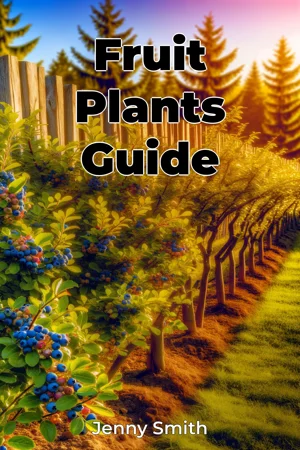
Have you ever imagined stepping into your backyard to pluck fresh, sun-ripened fruit from your own garden? "Fruit Plants Guide" transforms this vision into reality, providing a comprehensive roadmap for cultivating a diverse range of fruit-bearing plants in home gardens. This practical guide bridges the gap between basic gardening knowledge and successful fruit cultivation, offering detailed instructions for growing both compact berry bushes and full-sized fruit trees. The book systematically addresses three core aspects of fruit gardening: plant selection based on climate and space, essential cultivation techniques, and long-term maintenance strategies for optimal yield. Drawing from horticultural research and established growing practices, the guide begins with fundamental soil science and site preparation. Readers learn how soil composition, drainage, and pH levels influence fruit plant success, along with methods for creating optimal growing conditions in various environments. The text then progresses through seasonal care requirements, covering crucial aspects such as pruning techniques, pest management, and pollination needs. The book is structured in three main sections. The first focuses on small fruit plants, including strawberries, raspberries, and blueberries, ideal for gardens with limited space. The second section covers medium-sized fruit plants like grape vines and dwarf fruit trees, while the third addresses full-sized fruit trees, with particular attention to citrus and stone fruits. Each section includes specific planting guidelines, spacing requirements, and growth expectations. Supporting its instructions with scientific data from agricultural research stations and extension services, the guide incorporates current studies on climate adaptation and disease resistance. The content connects principles of botany, soil science, and environmental factors to create a holistic understanding of fruit plant cultivation. Written in a clear, instructional style, the text balances technical information with practical application, making it accessible to both novice gardeners and experienced horticulturists. Step-by-step procedures are complemented by troubleshooting guides and seasonal maintenance calendars, ensuring readers can address common challenges throughout the growing cycle. The guide serves home gardeners, small-scale farmers, and urban agriculturists looking to establish productive fruit gardens. It addresses specific considerations for different growing zones, container gardening, and space-saving techniques for urban environments. Special attention is given to organic growing methods and sustainable practices, including water conservation and natural pest control strategies. The book recognizes the limitations of different growing regions and provides alternatives for challenging climates. It includes specific varieties suited to various conditions and explains how to extend growing seasons through protective measures and microclimate creation. Practical applications extend beyond basic cultivation to include harvest timing, storage methods, and basic preservation techniques. The guide also addresses common obstacles in fruit growing, such as frost protection, fruit drop, and dealing with alternate bearing cycles in tree fruits. Climate change considerations are integrated throughout, with adaptation strategies for shifting growing zones and weather patterns. The content reflects current understanding of plant genetics and breeding developments, helping readers select varieties that will thrive in their specific conditions. This guide fills a crucial niche in gardening literature by providing comprehensive, science-based instruction specifically focused on fruit cultivation for home gardeners. It maintains relevance across growing zones while offering specialized knowledge for specific regions and conditions.
Have you ever imagined stepping into your backyard to pluck fresh, sun-ripened fruit from your own garden? "Fruit Plants Guide" transforms this vision into reality, providing a comprehensive roadmap for cultivating a diverse range of fruit-bearing plants in home gardens. This practical guide bridges the gap between basic gardening knowledge and successful fruit cultivation, offering detailed instructions for growing both compact berry bushes and full-sized fruit trees. The book systematically addresses three core aspects of fruit gardening: plant selection based on climate and space, essential cultivation techniques, and long-term maintenance strategies for optimal yield. Drawing from horticultural research and established growing practices, the guide begins with fundamental soil science and site preparation. Readers learn how soil composition, drainage, and pH levels influence fruit plant success, along with methods for creating optimal growing conditions in various environments. The text then progresses through seasonal care requirements, covering crucial aspects such as pruning techniques, pest management, and pollination needs. The book is structured in three main sections. The first focuses on small fruit plants, including strawberries, raspberries, and blueberries, ideal for gardens with limited space. The second section covers medium-sized fruit plants like grape vines and dwarf fruit trees, while the third addresses full-sized fruit trees, with particular attention to citrus and stone fruits. Each section includes specific planting guidelines, spacing requirements, and growth expectations. Supporting its instructions with scientific data from agricultural research stations and extension services, the guide incorporates current studies on climate adaptation and disease resistance. The content connects principles of botany, soil science, and environmental factors to create a holistic understanding of fruit plant cultivation. Written in a clear, instructional style, the text balances technical information with practical application, making it accessible to both novice gardeners and experienced horticulturists. Step-by-step procedures are complemented by troubleshooting guides and seasonal maintenance calendars, ensuring readers can address common challenges throughout the growing cycle. The guide serves home gardeners, small-scale farmers, and urban agriculturists looking to establish productive fruit gardens. It addresses specific considerations for different growing zones, container gardening, and space-saving techniques for urban environments. Special attention is given to organic growing methods and sustainable practices, including water conservation and natural pest control strategies. The book recognizes the limitations of different growing regions and provides alternatives for challenging climates. It includes specific varieties suited to various conditions and explains how to extend growing seasons through protective measures and microclimate creation. Practical applications extend beyond basic cultivation to include harvest timing, storage methods, and basic preservation techniques. The guide also addresses common obstacles in fruit growing, such as frost protection, fruit drop, and dealing with alternate bearing cycles in tree fruits. Climate change considerations are integrated throughout, with adaptation strategies for shifting growing zones and weather patterns. The content reflects current understanding of plant genetics and breeding developments, helping readers select varieties that will thrive in their specific conditions. This guide fills a crucial niche in gardening literature by providing comprehensive, science-based instruction specifically focused on fruit cultivation for home gardeners. It maintains relevance across growing zones while offering specialized knowledge for specific regions and conditions.
"Fruit Plants Guide" presents a comprehensive and practical approach to transforming any backyard into a thriving fruit garden, seamlessly blending scientific principles with hands-on gardening techniques. This authoritative resource systematically breaks down the complexities of fruit cultivation into manageable steps, making it accessible for both novice gardeners and experienced horticulturists. The guide uniquely combines current horticultural research with time-tested growing practices, offering readers a solid foundation in everything from soil science to seasonal maintenance. The book's thoughtful organization progresses from small fruit plants like berries to medium-sized specimens such as grape vines, and finally to full-sized fruit trees. Each section delivers detailed insights into plant selection, spacing requirements, and growth expectations, while incorporating crucial information about soil composition, drainage, and pH levels. Particularly valuable are the guide's practical solutions for common challenges, including frost protection, pest management, and adaptation strategies for different climate zones. What sets this guide apart is its holistic approach to fruit cultivation, addressing not only basic growing techniques but also incorporating modern considerations like climate change adaptation and sustainable practices. The inclusion of specific varieties suited to various conditions, along with organic growing methods and space-saving techniques for urban environments, makes this an invaluable resource for anyone interested in establishing their own productive fruit garden, regardless of their available space or experience level.
Book Details
ISBN
9788233957056
Publisher
Publifye AS
Your Licenses
You don't own any licenses for this book
Purchase a license below to unlock this book and download the EPUB.
Purchase License
Select a tier to unlock this book
Need bulk licensing?
Contact us for enterprise agreements.