
About This Book
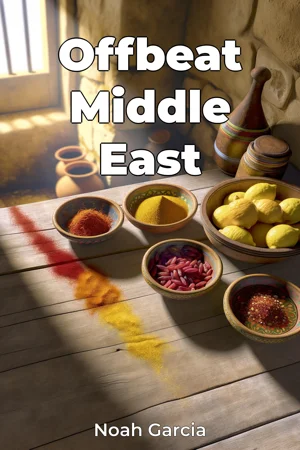
Beyond the familiar hummus and falafel lies a vast landscape of Middle Eastern cuisine that remains largely unexplored by Western palates. "Offbeat Middle East" delves into the hidden corners of regional gastronomy, where centuries-old fermentation techniques meet modern culinary innovation. The book illuminates three primary aspects of lesser-known Middle Eastern food culture: the tradition of medicinal spice blends passed down through generations, the sophisticated art of fermentation in arid climates, and the adaptation of ancient preservation methods in contemporary kitchens. These elements form the backbone of regional cooking practices that have sustained communities for centuries but rarely appear in mainstream culinary literature. Through detailed exploration of specific regions, the text examines how geography and climate have shaped local food preparation methods. The mountainous regions of Kurdistan reveal complex dried herb mixtures, while coastal Oman showcases unique fish fermentation techniques. The book draws from extensive field research, including interviews with local home cooks, market vendors, and traditional food artisans who maintain these culinary practices. The central argument presents these overlooked cooking methods as sophisticated systems of food science that deserve recognition alongside more celebrated global culinary traditions. The author demonstrates how these techniques developed as practical solutions to food preservation challenges and evolved into distinct regional flavors. Structured in three main sections, the book first establishes the historical context of Middle Eastern food preservation, then explores specific regional techniques through detailed case studies. The final section bridges traditional methods with contemporary applications, offering practical guidance for modern home cooks interested in incorporating these techniques into their repertoire. Research methodology combines anthropological observation, food science analysis, and historical documentation. The author collaborated with local food historians and conducted laboratory analysis of fermentation processes to provide scientific validation of traditional practices. The work connects food science, cultural anthropology, and environmental studies, showing how traditional food preparation methods reflect deep understanding of local ecosystems and resource management. These insights have particular relevance for current discussions about sustainable food systems and food security. Written in an accessible academic style, the text balances scholarly rigor with practical application, making it valuable for both culinary professionals and serious home cooks interested in expanding their knowledge of Middle Eastern food traditions. The author employs clear, technical language while maintaining engagement through rich descriptive passages of local food cultures. The book serves multiple audiences: culinary professionals seeking to expand their technical knowledge, food historians investigating traditional preservation methods, and experienced home cooks looking to explore authentic regional techniques. Each chapter includes detailed process descriptions, scientific explanations, and practical applications. The scope focuses specifically on techniques and traditions that have received limited attention in English-language culinary literature, intentionally excluding widely documented practices to maintain focus on lesser-known methods. This approach fills a significant gap in Middle Eastern culinary scholarship while providing practical value for contemporary food preparation. Current debates about food authenticity and cultural preservation are addressed through careful documentation of traditional practices and their modern adaptations, contributing to broader discussions about preserving culinary heritage in a globalizing world.
Beyond the familiar hummus and falafel lies a vast landscape of Middle Eastern cuisine that remains largely unexplored by Western palates. "Offbeat Middle East" delves into the hidden corners of regional gastronomy, where centuries-old fermentation techniques meet modern culinary innovation. The book illuminates three primary aspects of lesser-known Middle Eastern food culture: the tradition of medicinal spice blends passed down through generations, the sophisticated art of fermentation in arid climates, and the adaptation of ancient preservation methods in contemporary kitchens. These elements form the backbone of regional cooking practices that have sustained communities for centuries but rarely appear in mainstream culinary literature. Through detailed exploration of specific regions, the text examines how geography and climate have shaped local food preparation methods. The mountainous regions of Kurdistan reveal complex dried herb mixtures, while coastal Oman showcases unique fish fermentation techniques. The book draws from extensive field research, including interviews with local home cooks, market vendors, and traditional food artisans who maintain these culinary practices. The central argument presents these overlooked cooking methods as sophisticated systems of food science that deserve recognition alongside more celebrated global culinary traditions. The author demonstrates how these techniques developed as practical solutions to food preservation challenges and evolved into distinct regional flavors. Structured in three main sections, the book first establishes the historical context of Middle Eastern food preservation, then explores specific regional techniques through detailed case studies. The final section bridges traditional methods with contemporary applications, offering practical guidance for modern home cooks interested in incorporating these techniques into their repertoire. Research methodology combines anthropological observation, food science analysis, and historical documentation. The author collaborated with local food historians and conducted laboratory analysis of fermentation processes to provide scientific validation of traditional practices. The work connects food science, cultural anthropology, and environmental studies, showing how traditional food preparation methods reflect deep understanding of local ecosystems and resource management. These insights have particular relevance for current discussions about sustainable food systems and food security. Written in an accessible academic style, the text balances scholarly rigor with practical application, making it valuable for both culinary professionals and serious home cooks interested in expanding their knowledge of Middle Eastern food traditions. The author employs clear, technical language while maintaining engagement through rich descriptive passages of local food cultures. The book serves multiple audiences: culinary professionals seeking to expand their technical knowledge, food historians investigating traditional preservation methods, and experienced home cooks looking to explore authentic regional techniques. Each chapter includes detailed process descriptions, scientific explanations, and practical applications. The scope focuses specifically on techniques and traditions that have received limited attention in English-language culinary literature, intentionally excluding widely documented practices to maintain focus on lesser-known methods. This approach fills a significant gap in Middle Eastern culinary scholarship while providing practical value for contemporary food preparation. Current debates about food authenticity and cultural preservation are addressed through careful documentation of traditional practices and their modern adaptations, contributing to broader discussions about preserving culinary heritage in a globalizing world.
"Offbeat Middle East" takes readers on a fascinating journey beyond familiar Middle Eastern dishes to explore the sophisticated yet lesser-known aspects of this region's culinary heritage. The book unveils three crucial elements of traditional food culture: medicinal spice combinations, innovative fermentation practices adapted to arid environments, and time-honored preservation techniques that continue to influence modern kitchens. Through meticulous research combining anthropological studies and food science analysis, the text reveals how geography and climate have shaped distinct regional cooking methods. The book's unique approach lies in its focus on overlooked cooking techniques that demonstrate remarkable scientific understanding and practical innovation. From Kurdistan's intricate dried herb preparations to Oman's distinctive fish fermentation methods, each region's practices are examined through the lens of both traditional wisdom and modern scientific validation. Interviews with local artisans, home cooks, and market vendors provide authentic insights into these time-tested techniques. Structured to bridge past and present, the text progresses from historical context to detailed regional case studies, culminating in practical applications for contemporary cooks. The author skillfully connects food science with cultural anthropology, demonstrating how traditional preservation methods reflect deep ecological understanding while offering relevant solutions for sustainable food systems today. This comprehensive exploration serves both culinary professionals and serious home cooks, providing technical knowledge alongside rich cultural context.
Book Details
ISBN
9788233956998
Publisher
Publifye AS
Your Licenses
You don't own any licenses for this book
Purchase a license below to unlock this book and download the EPUB.
Purchase License
Select a tier to unlock this book
Need bulk licensing?
Contact us for enterprise agreements.