
About This Book
Have you ever wondered about the hidden world flourishing beneath the surface of ponds and aquariums, a realm teeming with diverse and fascinating plant life? This book, "Aquatic Plants Guide," provides a comprehensive exploration into the cultivation and care of aquatic plants, bridging the gap between basic gardening and the intricacies of aquatic biology. We delve into the fundamental aspects of creating thriving aquatic ecosystems, focusing on the key topics of plant selection, water chemistry, and nutrient management. These topics are vital because understanding them unlocks the potential to create aesthetically pleasing and ecologically sound aquatic environments, whether in a backyard pond or a home aquarium. The study of aquatic plants draws from a rich history of botanical research and ecological observation. Recognizing the importance of these plants for oxygen production, habitat provision, and nutrient cycling is paramount. While no prior knowledge is strictly required, a basic understanding of plant biology principles can be useful. The central argument of "Aquatic Plants Guide" is that successful aquatic plant cultivation hinges on a holistic understanding of plant physiology, water parameters, and environmental interactions. We emphasize the importance of moving beyond simple planting and hoping for the best, advocating instead for a science-based approach to managing these unique ecosystems. The book is structured to guide you through every step of the process. First, we introduce the major plant groups, from submerged oxygenators to floating lilies, detailing their specific needs and growth habits. Then, we develop these ideas in three major sections: (1) Water Chemistry and Quality, covering essential parameters like pH, hardness, and CO2 levels and their influence on plant health; (2) Nutrient Management and Fertilization, explaining the roles of macronutrients and micronutrients, and how to effectively deliver them to aquatic plants; and (3) Pest and Disease Control, providing strategies for identifying and managing common issues without harming the plants or the overall ecosystem. The book culminates in a discussion of practical applications, including detailed planting guides for various pond and aquarium setups, design principles for creating balanced aquatic landscapes, and troubleshooting tips for addressing common problems. Throughout "Aquatic Plants Guide," we present evidence based on scientific research, horticultural best practices, and years of practical experience. We draw on data from controlled experiments, field studies, and observations from leading aquatic plant nurseries. Our methodologies include detailed water testing protocols, comparative growth trials, and analysis of plant tissue samples. This book connects to numerous fields, including botany, ecology, and chemistry, by providing a holistic understanding of aquatic plants and environment. It also connects to environmental science, by promoting the use of aquatic plants for water quality and phytoremediation. These connections enhance the book's argument by illustrating the broad relevance of aquatic plant cultivation to scientific understanding and environmental sustainability. "Aquatic Plants Guide" offers a distinctive perspective by integrating scientific principles with hands-on practical advice. It combines detailed scientific information with step-by-step instructions, making it accessible to both beginners and experienced hobbyists. Written in a clear and accessible style, "Aquatic Plants Guide" aims to be a practical guide and a source of inspiration. It's targeted to aquarium hobbyists, pond owners, and gardening enthusiasts who seek in-depth knowledge on cultivating healthy and vibrant aquatic plants. This book is also invaluable to students in horticulture and biology; they can apply this knowledge in real-world applications. As a guide to gardening, "Aquatic Plants Guide" provides practical advice, step-by-step instructions, and visual aids to help readers create and maintain successful aquatic gardens. The book focuses on the practical aspects of the subject matter, reflecting the goals of gardening guides. As a book in biology and life sciences, it provides a solid foundation in the relevant scientific principles. The scope of this book is limited to freshwater aquatic plants suitable for ponds and aquariums. While we touch on topics like algae control and fish compatibility, the primary focus remains on the plants themselves. The information in this book can be applied to many real-world applications, including designing and maintaining home aquariums and backyard ponds, creating aquatic habitats for wildlife, and using aquatic plants for water purification. While generally focusing on established best practices, "Aquatic Plants Guide" also touches on ongoing discussions within the field, such as the use of specific fertilizers and CO2 injection systems. These debates are presented with a balanced perspective, allowing readers to make informed decisions based on their own needs and preferences.
Have you ever wondered about the hidden world flourishing beneath the surface of ponds and aquariums, a realm teeming with diverse and fascinating plant life? This book, "Aquatic Plants Guide," provides a comprehensive exploration into the cultivation and care of aquatic plants, bridging the gap between basic gardening and the intricacies of aquatic biology. We delve into the fundamental aspects of creating thriving aquatic ecosystems, focusing on the key topics of plant selection, water chemistry, and nutrient management. These topics are vital because understanding them unlocks the potential to create aesthetically pleasing and ecologically sound aquatic environments, whether in a backyard pond or a home aquarium. The study of aquatic plants draws from a rich history of botanical research and ecological observation. Recognizing the importance of these plants for oxygen production, habitat provision, and nutrient cycling is paramount. While no prior knowledge is strictly required, a basic understanding of plant biology principles can be useful. The central argument of "Aquatic Plants Guide" is that successful aquatic plant cultivation hinges on a holistic understanding of plant physiology, water parameters, and environmental interactions. We emphasize the importance of moving beyond simple planting and hoping for the best, advocating instead for a science-based approach to managing these unique ecosystems. The book is structured to guide you through every step of the process. First, we introduce the major plant groups, from submerged oxygenators to floating lilies, detailing their specific needs and growth habits. Then, we develop these ideas in three major sections: (1) Water Chemistry and Quality, covering essential parameters like pH, hardness, and CO2 levels and their influence on plant health; (2) Nutrient Management and Fertilization, explaining the roles of macronutrients and micronutrients, and how to effectively deliver them to aquatic plants; and (3) Pest and Disease Control, providing strategies for identifying and managing common issues without harming the plants or the overall ecosystem. The book culminates in a discussion of practical applications, including detailed planting guides for various pond and aquarium setups, design principles for creating balanced aquatic landscapes, and troubleshooting tips for addressing common problems. Throughout "Aquatic Plants Guide," we present evidence based on scientific research, horticultural best practices, and years of practical experience. We draw on data from controlled experiments, field studies, and observations from leading aquatic plant nurseries. Our methodologies include detailed water testing protocols, comparative growth trials, and analysis of plant tissue samples. This book connects to numerous fields, including botany, ecology, and chemistry, by providing a holistic understanding of aquatic plants and environment. It also connects to environmental science, by promoting the use of aquatic plants for water quality and phytoremediation. These connections enhance the book's argument by illustrating the broad relevance of aquatic plant cultivation to scientific understanding and environmental sustainability. "Aquatic Plants Guide" offers a distinctive perspective by integrating scientific principles with hands-on practical advice. It combines detailed scientific information with step-by-step instructions, making it accessible to both beginners and experienced hobbyists. Written in a clear and accessible style, "Aquatic Plants Guide" aims to be a practical guide and a source of inspiration. It's targeted to aquarium hobbyists, pond owners, and gardening enthusiasts who seek in-depth knowledge on cultivating healthy and vibrant aquatic plants. This book is also invaluable to students in horticulture and biology; they can apply this knowledge in real-world applications. As a guide to gardening, "Aquatic Plants Guide" provides practical advice, step-by-step instructions, and visual aids to help readers create and maintain successful aquatic gardens. The book focuses on the practical aspects of the subject matter, reflecting the goals of gardening guides. As a book in biology and life sciences, it provides a solid foundation in the relevant scientific principles. The scope of this book is limited to freshwater aquatic plants suitable for ponds and aquariums. While we touch on topics like algae control and fish compatibility, the primary focus remains on the plants themselves. The information in this book can be applied to many real-world applications, including designing and maintaining home aquariums and backyard ponds, creating aquatic habitats for wildlife, and using aquatic plants for water purification. While generally focusing on established best practices, "Aquatic Plants Guide" also touches on ongoing discussions within the field, such as the use of specific fertilizers and CO2 injection systems. These debates are presented with a balanced perspective, allowing readers to make informed decisions based on their own needs and preferences.
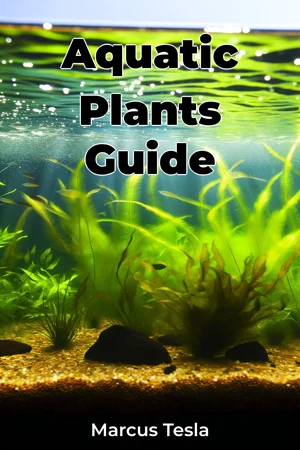
"Aquatic Plants Guide" explores the fascinating world of aquatic plants, bridging general gardening knowledge with the complexities of aquatic biology. The book emphasizes creating thriving aquatic ecosystems through plant selection, water chemistry, and nutrient management. Readers will discover how aquatic plants are vital for oxygen production and habitat provision, and that a science-based approach, rather than guesswork, is key to successful cultivation. The book progresses logically, starting with an introduction to major plant groups like submerged oxygenators and floating lilies. It then dives into water chemistry, highlighting the importance of parameters like pH and CO2 levels. Nutrient management and fertilization are explored, explaining macronutrients and micronutrients. Finally, the guide covers pest and disease control, offering strategies for managing common issues without harming the plants or the ecosystem. This approach integrates scientific principles with practical advice, making it valuable for beginners and experienced hobbyists alike.
Book Details
ISBN
9788233956943
Publisher
Publifye AS
Your Licenses
You don't own any licenses for this book
Purchase a license below to unlock this book and download the EPUB.
Purchase License
Select a tier to unlock this book
Need bulk licensing?
Contact us for enterprise agreements.