
About This Book
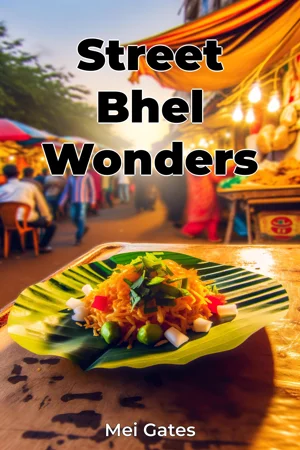
What if a single snack could reveal the soul of a nation? *Street Bhel Wonders* dives into the bustling world of India’s beloved bhel puri, a humble yet iconic street food, to unravel its cultural, nutritional, and social significance. Through meticulous research and vivid storytelling, this book positions bhel not just as a culinary delight but as a lens to examine India’s urban rhythms, regional diversity, and evolving food practices. **Context and Central Thesis** Bhel puri, a savory mix of puffed rice, vegetables, chutneys, and spices, originated on Mumbai’s beaches in the mid-20th century. Its portability, affordability, and adaptability made it a staple across India’s streets. The book argues that bhel’s enduring popularity lies in its ability to balance tradition with innovation, offering both nutritional value and a microcosm of India’s socio-economic fabric. By analyzing local dietary surveys, vendor interviews, and historical records, the narrative challenges stereotypes about street food’s nutritional inadequacy, presenting evidence of its role in urban sustenance. **Structure and Content** The book opens with a sensory journey through Mumbai’s Chowpatty Beach, where bhel puri first gained fame. Chapter 1 traces its evolution from a Marathi community snack to a pan-Indian phenomenon, highlighting regional variations—like Kolkata’s *jhalmuri* or Delhi’s spicy adaptations. Chapter 2 shifts to nutritional analysis, citing studies from India’s National Institute of Nutrition that break down the snack’s macronutrient profile: low in fat, rich in fiber, and adaptable to dietary needs (e.g., gluten-free or vegan tweaks). Chapter 3 explores the informal economy of street vending, using case studies to illustrate how bhel sellers navigate urbanization, hygiene regulations, and climate challenges. **Evidence and Interdisciplinary Insights** Fieldwork forms the backbone of the research. The author collaborated with dietitians to analyze 50 bhel recipes from six states, uncovering stark regional differences in calorie counts (ranging from 150 to 300 per serving) and ingredient diversity. Ethnographic interviews with vendors in Chennai, Jaipur, and Guwahati reveal generational shifts in preparation techniques, such as replacing palm jaggery with refined sugar for cost efficiency. These findings intersect with public health debates about urban nutrition and anthropology’s study of informal labor, positioning street food as a nexus of culture, economics, and wellness. **Practical Applications and Limitations** While celebrating bhel’s cultural resonance, the book acknowledges gaps in standardized hygiene practices and the environmental impact of disposable leaf plates or plastic cups. A dedicated chapter offers actionable solutions: recipes for home cooks to replicate regional flavors, tips for vendors on sustainable packaging, and policy recommendations for municipal bodies to integrate street food hubs into urban planning. However, the scope remains focused on bhel puri, intentionally sidestepping broader debates about other Indian street foods to maintain depth. **Tone and Audience** Written in a narrative non-fiction style, the prose blends vivid descriptions of crowded bazaars with accessible explanations of glycemic indexes or food safety protocols. This approach caters to both food enthusiasts and academics, offering recipes alongside graphs comparing regional ingredient ratios. The book avoids romanticizing poverty or exoticizing street culture, instead prioritizing vendor voices and empirical data. **Controversies and Relevance** A recurring theme is the tension between preserving culinary heritage and modernizing food systems. The book engages with critics who dismiss street food as “unsafe” by presenting success stories, like a Pune-based vendor collective that reduced foodborne illnesses through peer-led hygiene training. It also addresses debates around globalization, examining how multinational snack brands mimic bhel’s flavors yet lack its nutritional balance. *Street Bhel Wonders* ultimately positions bhel puri as more than a snack—it is a dynamic artifact of resilience and creativity. By marrying oral histories with nutritional science, the book invites readers to rethink their plates as sites of cultural memory and contemporary innovation.
What if a single snack could reveal the soul of a nation? *Street Bhel Wonders* dives into the bustling world of India’s beloved bhel puri, a humble yet iconic street food, to unravel its cultural, nutritional, and social significance. Through meticulous research and vivid storytelling, this book positions bhel not just as a culinary delight but as a lens to examine India’s urban rhythms, regional diversity, and evolving food practices. **Context and Central Thesis** Bhel puri, a savory mix of puffed rice, vegetables, chutneys, and spices, originated on Mumbai’s beaches in the mid-20th century. Its portability, affordability, and adaptability made it a staple across India’s streets. The book argues that bhel’s enduring popularity lies in its ability to balance tradition with innovation, offering both nutritional value and a microcosm of India’s socio-economic fabric. By analyzing local dietary surveys, vendor interviews, and historical records, the narrative challenges stereotypes about street food’s nutritional inadequacy, presenting evidence of its role in urban sustenance. **Structure and Content** The book opens with a sensory journey through Mumbai’s Chowpatty Beach, where bhel puri first gained fame. Chapter 1 traces its evolution from a Marathi community snack to a pan-Indian phenomenon, highlighting regional variations—like Kolkata’s *jhalmuri* or Delhi’s spicy adaptations. Chapter 2 shifts to nutritional analysis, citing studies from India’s National Institute of Nutrition that break down the snack’s macronutrient profile: low in fat, rich in fiber, and adaptable to dietary needs (e.g., gluten-free or vegan tweaks). Chapter 3 explores the informal economy of street vending, using case studies to illustrate how bhel sellers navigate urbanization, hygiene regulations, and climate challenges. **Evidence and Interdisciplinary Insights** Fieldwork forms the backbone of the research. The author collaborated with dietitians to analyze 50 bhel recipes from six states, uncovering stark regional differences in calorie counts (ranging from 150 to 300 per serving) and ingredient diversity. Ethnographic interviews with vendors in Chennai, Jaipur, and Guwahati reveal generational shifts in preparation techniques, such as replacing palm jaggery with refined sugar for cost efficiency. These findings intersect with public health debates about urban nutrition and anthropology’s study of informal labor, positioning street food as a nexus of culture, economics, and wellness. **Practical Applications and Limitations** While celebrating bhel’s cultural resonance, the book acknowledges gaps in standardized hygiene practices and the environmental impact of disposable leaf plates or plastic cups. A dedicated chapter offers actionable solutions: recipes for home cooks to replicate regional flavors, tips for vendors on sustainable packaging, and policy recommendations for municipal bodies to integrate street food hubs into urban planning. However, the scope remains focused on bhel puri, intentionally sidestepping broader debates about other Indian street foods to maintain depth. **Tone and Audience** Written in a narrative non-fiction style, the prose blends vivid descriptions of crowded bazaars with accessible explanations of glycemic indexes or food safety protocols. This approach caters to both food enthusiasts and academics, offering recipes alongside graphs comparing regional ingredient ratios. The book avoids romanticizing poverty or exoticizing street culture, instead prioritizing vendor voices and empirical data. **Controversies and Relevance** A recurring theme is the tension between preserving culinary heritage and modernizing food systems. The book engages with critics who dismiss street food as “unsafe” by presenting success stories, like a Pune-based vendor collective that reduced foodborne illnesses through peer-led hygiene training. It also addresses debates around globalization, examining how multinational snack brands mimic bhel’s flavors yet lack its nutritional balance. *Street Bhel Wonders* ultimately positions bhel puri as more than a snack—it is a dynamic artifact of resilience and creativity. By marrying oral histories with nutritional science, the book invites readers to rethink their plates as sites of cultural memory and contemporary innovation.
*Street Bhel Wonders* explores how India’s iconic bhel puri—a vibrant mix of puffed rice, chutneys, and spices—serves as a window into the country’s cultural identity, urban life, and nutritional landscape. The book positions this humble street snack as a symbol of resilience, tracing its origins on Mumbai’s beaches to its regional adaptations, like Kolkata’s tangy *jhalmuri* or Delhi’s fiery versions. Through vendor interviews and dietary studies, it challenges assumptions about street food’s nutritional value, revealing that a typical serving packs fiber-rich ingredients with calorie counts varying widely (150-300) based on local twists. Blending food history with social anthropology, the narrative progresses from bhel’s evolution to its role in urban sustenance. Early chapters map its journey from community snack to national staple, while later sections analyze how vendors balance tradition with modern challenges—swapping palm jaggery for sugar to cut costs or adopting eco-friendly packaging. The book uniquely bridges culinary storytelling and empirical data, offering recipes alongside policy ideas for safer street food ecosystems. It doesn’t shy from complexities, addressing hygiene concerns with real-world examples like a Pune vendor collective that reduced foodborne risks through peer training. What sets *Street Bhel Wonders* apart is its interdisciplinary lens, weaving oral histories with nutritional science to show how a simple dish reflects India’s diversity and adaptability. Accessible yet insightful, it invites readers to savor bhel not just as a snack, but as a story of cultural heritage meeting contemporary innovation.
Book Details
ISBN
9788233956813
Publisher
Publifye AS
Your Licenses
You don't own any licenses for this book
Purchase a license below to unlock this book and download the EPUB.
Purchase License
Select a tier to unlock this book
Need bulk licensing?
Contact us for enterprise agreements.