
About This Book
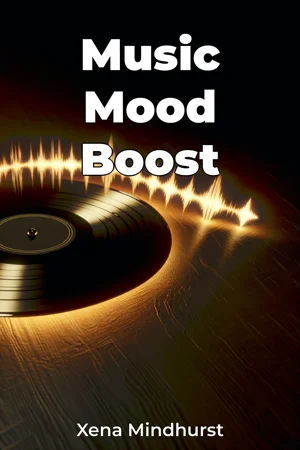
Have you ever wondered why a song can lift your spirits or bring you to tears within moments? *Music Mood Boost: How Sound Shapes Our Emotions* explores this universal phenomenon through the lens of neuroscience and psychology, offering readers a science-backed guide to harnessing music’s power over the mind. This book synthesizes decades of research to explain how melodies, rhythms, and harmonies directly influence emotional states, providing actionable insights for improving mental well-being. The book centers on three core topics: the neurological mechanisms behind music-induced emotions, the psychological processes that determine why certain songs resonate deeply, and practical strategies for using music as a tool for mood regulation. These themes are critical in an era where mental health challenges are pervasive, and accessible, non-pharmaceutical interventions are increasingly sought after. By bridging laboratory findings with everyday experiences, the text demystifies how something as intangible as sound can produce measurable changes in brain chemistry and emotional resilience. To ground its claims, *Music Mood Boost* begins with a concise history of music’s role in human societies, from ancient rituals to modern streaming algorithms. It introduces foundational concepts such as neural plasticity, dopamine pathways, and the Meyer-Jacobsen theory of musical expectancy, ensuring readers grasp the biological and psychological frameworks underpinning the discussion. The central thesis posits that music is not merely entertainment but a potent neurobiological lever—one that can be deliberately calibrated to enhance emotional health. Structured into three sections, the book first maps how auditory stimuli activate brain regions like the nucleus accumbens (linked to reward) and the amygdala (tied to emotional processing). Landmark studies, including Salimpoor et al.’s 2013 dopamine release experiments, illustrate how pleasurable music triggers responses akin to those from food or drugs. The second section examines individual differences in musical preference, exploring how personal memories, cultural background, and even genetic factors shape emotional reactions. Final chapters transition to application, offering evidence-based methods for creating mood-specific playlists, using music to manage stress, and integrating sonic interventions into therapeutic practices. Research cited spans fMRI and EEG studies, behavioral experiments, and longitudinal data from music therapy programs. The book also incorporates interviews with neuroscientists, clinical psychologists, and musicians, adding narrative depth to empirical findings. A standout feature is its analysis of “musical chills”—the physical shivers triggered by peak emotional moments—as a window into the brain’s reward system. Interdisciplinary connections strengthen the narrative: links to neurology clarify how music aids stroke rehabilitation by reactivating damaged neural pathways; insights from cognitive psychology reveal how rhythmic entrainment synchronizes brainwaves to reduce anxiety. The book also engages with controversies, such as debates over whether music’s emotional effects are universal or culturally constructed, weighing evidence from cross-cultural studies. What distinguishes *Music Mood Boost* is its balance of rigor and accessibility. Complex concepts like cortical thickness in auditory regions are explained through analogies, while end-of-chapter exercises invite readers to self-experiment with mood tracking and playlist curation. The tone remains conversational yet precise, avoiding academic jargon without oversimplifying science. Targeted at curious listeners and professionals alike—from therapists seeking adjunct therapies to educators using music for focus—the book meets genre expectations by citing peer-reviewed studies and providing clear takeaways. It intentionally limits its scope to Western musical traditions and adult populations, acknowledging the need for future work on cultural variability and developmental differences. By the conclusion, readers will view music not just as art but as a scalable, science-supported resource for emotional self-care. Whether used to combat daily stress or process grief, *Music Mood Boost* argues that intentional listening can function as both a mirror reflecting our inner states and a tool for reshaping them.
Have you ever wondered why a song can lift your spirits or bring you to tears within moments? *Music Mood Boost: How Sound Shapes Our Emotions* explores this universal phenomenon through the lens of neuroscience and psychology, offering readers a science-backed guide to harnessing music’s power over the mind. This book synthesizes decades of research to explain how melodies, rhythms, and harmonies directly influence emotional states, providing actionable insights for improving mental well-being. The book centers on three core topics: the neurological mechanisms behind music-induced emotions, the psychological processes that determine why certain songs resonate deeply, and practical strategies for using music as a tool for mood regulation. These themes are critical in an era where mental health challenges are pervasive, and accessible, non-pharmaceutical interventions are increasingly sought after. By bridging laboratory findings with everyday experiences, the text demystifies how something as intangible as sound can produce measurable changes in brain chemistry and emotional resilience. To ground its claims, *Music Mood Boost* begins with a concise history of music’s role in human societies, from ancient rituals to modern streaming algorithms. It introduces foundational concepts such as neural plasticity, dopamine pathways, and the Meyer-Jacobsen theory of musical expectancy, ensuring readers grasp the biological and psychological frameworks underpinning the discussion. The central thesis posits that music is not merely entertainment but a potent neurobiological lever—one that can be deliberately calibrated to enhance emotional health. Structured into three sections, the book first maps how auditory stimuli activate brain regions like the nucleus accumbens (linked to reward) and the amygdala (tied to emotional processing). Landmark studies, including Salimpoor et al.’s 2013 dopamine release experiments, illustrate how pleasurable music triggers responses akin to those from food or drugs. The second section examines individual differences in musical preference, exploring how personal memories, cultural background, and even genetic factors shape emotional reactions. Final chapters transition to application, offering evidence-based methods for creating mood-specific playlists, using music to manage stress, and integrating sonic interventions into therapeutic practices. Research cited spans fMRI and EEG studies, behavioral experiments, and longitudinal data from music therapy programs. The book also incorporates interviews with neuroscientists, clinical psychologists, and musicians, adding narrative depth to empirical findings. A standout feature is its analysis of “musical chills”—the physical shivers triggered by peak emotional moments—as a window into the brain’s reward system. Interdisciplinary connections strengthen the narrative: links to neurology clarify how music aids stroke rehabilitation by reactivating damaged neural pathways; insights from cognitive psychology reveal how rhythmic entrainment synchronizes brainwaves to reduce anxiety. The book also engages with controversies, such as debates over whether music’s emotional effects are universal or culturally constructed, weighing evidence from cross-cultural studies. What distinguishes *Music Mood Boost* is its balance of rigor and accessibility. Complex concepts like cortical thickness in auditory regions are explained through analogies, while end-of-chapter exercises invite readers to self-experiment with mood tracking and playlist curation. The tone remains conversational yet precise, avoiding academic jargon without oversimplifying science. Targeted at curious listeners and professionals alike—from therapists seeking adjunct therapies to educators using music for focus—the book meets genre expectations by citing peer-reviewed studies and providing clear takeaways. It intentionally limits its scope to Western musical traditions and adult populations, acknowledging the need for future work on cultural variability and developmental differences. By the conclusion, readers will view music not just as art but as a scalable, science-supported resource for emotional self-care. Whether used to combat daily stress or process grief, *Music Mood Boost* argues that intentional listening can function as both a mirror reflecting our inner states and a tool for reshaping them.
"Music Mood Boost: How Sound Shapes Our Emotions" reveals the science behind music’s profound impact on our minds, blending neuroscience and psychology to show how melodies and rhythms shape emotions. The book’s central theme positions music as a neurobiological tool capable of boosting mental well-being through measurable changes in brain chemistry. It demystifies why certain songs trigger joy or nostalgia, linking these reactions to dopamine pathways and neural plasticity—the brain’s ability to rewire itself through experience. Structured in three clear sections, the book first explores how music activates reward centers like the nucleus accumbens, with studies showing pleasurable tracks release dopamine akin to eating chocolate. It then dives into why preferences vary, tying emotional responses to personal memories and cultural influences. The final chapters offer practical strategies, like crafting mood-specific playlists or using rhythmic patterns to ease anxiety. Unique insights include analysis of “musical chills”—physical shivers that reveal peak emotional engagement—and music’s role in stroke recovery by rebuilding neural connections. Balancing rigorous research with relatable examples, *Music Mood Boost* stands out for making complex concepts accessible. It bridges lab findings to daily life, featuring exercises for tracking music’s effects on stress or resilience. By framing music as both art and science, the book empowers readers to harness sound intentionally, transforming passive listening into active emotional self-care.
Book Details
ISBN
9788233956325
Publisher
Publifye AS
Your Licenses
You don't own any licenses for this book
Purchase a license below to unlock this book and download the EPUB.
Purchase License
Select a tier to unlock this book
Need bulk licensing?
Contact us for enterprise agreements.