
About This Book
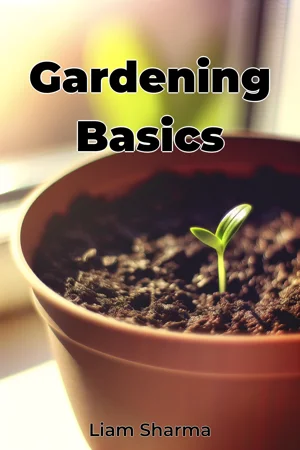
Have you ever considered that the simple act of planting a seed could transform your mental clarity, physical health, and emotional resilience? *Gardening Basics: Cultivating Wellness Through Nature* bridges the gap between horticulture and holistic well-being, offering a science-backed exploration of how gardening serves as a powerful tool for stress management, physical vitality, and reconnecting with the natural world. This book merges practical gardening guidance with insights from psychology, neuroscience, and public health, presenting a compelling case for why nurturing plants is equally an act of nurturing oneself. **Core Themes and Relevance** The book centers on two interconnected themes: the psychological benefits of gardening—such as reduced anxiety and improved mood—and its role in promoting moderate physical activity. These topics are framed within the context of modern challenges, including rising stress levels, sedentary lifestyles, and urban environments that limit access to green spaces. By grounding its arguments in interdisciplinary research, the book demonstrates how gardening addresses both individual and societal health needs. **Historical and Scientific Foundations** Gardening’s therapeutic value is not a new concept. The text traces its roots to ancient civilizations, such as the Persians’ use of gardens for meditation and the Victorian era’s embrace of horticulture as a remedy for melancholy. Modern studies reinforce these traditions: cortisol levels (a stress biomarker) drop after 30 minutes of gardening, while activities like digging or weeding meet the World Health Organization’s criteria for moderate exercise. The book also examines “attention restoration theory,” explaining how natural environments replenish cognitive focus—a critical insight for today’s screen-saturated society. **Structure and Practical Insights** The book is divided into three sections. Part 1, “Roots of Well-Being,” introduces the science of stress reduction and physical health through gardening, supported by clinical trials and epidemiological data. Part 2, “Cultivating Practice,” offers step-by-step guidance for designing a garden suited to small spaces or urban settings, including container gardening and vertical planting. Part 3, “Harvesting Resilience,” explores long-term strategies to sustain gardening habits and integrate them into daily life, even amid seasonal or logistical constraints. **Evidence and Innovation** Drawing from peer-reviewed studies in environmental psychology and public health, the book cites examples like a 2021 meta-analysis linking gardening to a 23% reduction in depression risk. Unique to this work is its emphasis on accessibility—chapters address budget-friendly methods, adaptive tools for individuals with mobility challenges, and strategies for renters. The inclusion of “micro-gardening” (cultivating herbs or succulents in apartments) broadens its relevance beyond traditional gardeners. **Interdisciplinary Connections** By intersecting horticulture with neuroscience, the book details how soil microbes like *Mycobacterium vaccae* stimulate serotonin production, akin to antidepressant effects. It also ties gardening to community health, noting urban gardens’ role in reducing neighborhood stress and fostering social cohesion. These connections position gardening not just as a hobby, but as a public health intervention. **Addressing Challenges and Accessibility** Acknowledging critiques that gardening requires time, space, or expertise, the book provides counterarguments through scalable solutions. Case studies highlight rooftop gardens in cities like Tokyo and Detroit’s urban farm initiatives, proving that even limited spaces can yield substantial benefits. Debates around pesticide use or water conservation are addressed with balanced recommendations for organic practices and drought-resistant plants. **Tone and Audience** Written in clear, conversational prose, *Gardening Basics* avoids technical jargon, making it suitable for both novice gardeners and readers seeking data-driven self-help strategies. Its blend of actionable advice and scientific rigor caters to a broad audience, from urban planners to healthcare professionals interested in nature-based therapies. **Scope and Application** While focused on temperate climates and small-scale gardening, the book acknowledges global variations, directing readers to region-specific resources. Final chapters emphasize immediate steps—such as starting a windowsill herb garden or joining a community plot—to translate theory into tangible habit change. By framing gardening as a flexible, inclusive practice, the book invites readers to redefine their relationship with nature, one plant at a time.
Have you ever considered that the simple act of planting a seed could transform your mental clarity, physical health, and emotional resilience? *Gardening Basics: Cultivating Wellness Through Nature* bridges the gap between horticulture and holistic well-being, offering a science-backed exploration of how gardening serves as a powerful tool for stress management, physical vitality, and reconnecting with the natural world. This book merges practical gardening guidance with insights from psychology, neuroscience, and public health, presenting a compelling case for why nurturing plants is equally an act of nurturing oneself. **Core Themes and Relevance** The book centers on two interconnected themes: the psychological benefits of gardening—such as reduced anxiety and improved mood—and its role in promoting moderate physical activity. These topics are framed within the context of modern challenges, including rising stress levels, sedentary lifestyles, and urban environments that limit access to green spaces. By grounding its arguments in interdisciplinary research, the book demonstrates how gardening addresses both individual and societal health needs. **Historical and Scientific Foundations** Gardening’s therapeutic value is not a new concept. The text traces its roots to ancient civilizations, such as the Persians’ use of gardens for meditation and the Victorian era’s embrace of horticulture as a remedy for melancholy. Modern studies reinforce these traditions: cortisol levels (a stress biomarker) drop after 30 minutes of gardening, while activities like digging or weeding meet the World Health Organization’s criteria for moderate exercise. The book also examines “attention restoration theory,” explaining how natural environments replenish cognitive focus—a critical insight for today’s screen-saturated society. **Structure and Practical Insights** The book is divided into three sections. Part 1, “Roots of Well-Being,” introduces the science of stress reduction and physical health through gardening, supported by clinical trials and epidemiological data. Part 2, “Cultivating Practice,” offers step-by-step guidance for designing a garden suited to small spaces or urban settings, including container gardening and vertical planting. Part 3, “Harvesting Resilience,” explores long-term strategies to sustain gardening habits and integrate them into daily life, even amid seasonal or logistical constraints. **Evidence and Innovation** Drawing from peer-reviewed studies in environmental psychology and public health, the book cites examples like a 2021 meta-analysis linking gardening to a 23% reduction in depression risk. Unique to this work is its emphasis on accessibility—chapters address budget-friendly methods, adaptive tools for individuals with mobility challenges, and strategies for renters. The inclusion of “micro-gardening” (cultivating herbs or succulents in apartments) broadens its relevance beyond traditional gardeners. **Interdisciplinary Connections** By intersecting horticulture with neuroscience, the book details how soil microbes like *Mycobacterium vaccae* stimulate serotonin production, akin to antidepressant effects. It also ties gardening to community health, noting urban gardens’ role in reducing neighborhood stress and fostering social cohesion. These connections position gardening not just as a hobby, but as a public health intervention. **Addressing Challenges and Accessibility** Acknowledging critiques that gardening requires time, space, or expertise, the book provides counterarguments through scalable solutions. Case studies highlight rooftop gardens in cities like Tokyo and Detroit’s urban farm initiatives, proving that even limited spaces can yield substantial benefits. Debates around pesticide use or water conservation are addressed with balanced recommendations for organic practices and drought-resistant plants. **Tone and Audience** Written in clear, conversational prose, *Gardening Basics* avoids technical jargon, making it suitable for both novice gardeners and readers seeking data-driven self-help strategies. Its blend of actionable advice and scientific rigor caters to a broad audience, from urban planners to healthcare professionals interested in nature-based therapies. **Scope and Application** While focused on temperate climates and small-scale gardening, the book acknowledges global variations, directing readers to region-specific resources. Final chapters emphasize immediate steps—such as starting a windowsill herb garden or joining a community plot—to translate theory into tangible habit change. By framing gardening as a flexible, inclusive practice, the book invites readers to redefine their relationship with nature, one plant at a time.
"Gardening Basics: Cultivating Wellness Through Nature" reveals how tending plants nurtures both mental and physical health, blending horticultural guidance with neuroscience and psychology. At its core, the book positions gardening as a science-backed antidote to modern stressors, from screen fatigue to urban isolation. It uncovers intriguing connections: just 30 minutes of gardening lowers cortisol levels, soil microbes like *Mycobacterium vaccae* boost serotonin production, and a 2021 study links regular gardening to a 23% reduction in depression risk. By explaining concepts like attention restoration theory—how nature replenishes focus—the book frames gardening as a cognitive reset button for overwhelmed minds. Structured for practicality, the guide progresses from theory to action. Early chapters explore gardening’s historical roots in stress relief, tracing Persian meditation gardens to today’s urban farms. Middle sections offer adaptable strategies, like container gardening for apartments or drought-resistant plants for dry climates. The final chapters focus on sustaining habits, emphasizing that even micro-gardens (think herbs on windowsills) yield benefits. Unique to this book is its accessibility—it addresses renters, tight budgets, and mobility challenges while debunking myths about required space or expertise. Balancing research with relatable analogies, the writing demystifies complex ideas without jargon. By connecting personal well-being to community gardens and organic practices, it transforms gardening from a solo hobby into a holistic health practice. Whether detailing how digging meets WHO exercise guidelines or how community plots reduce neighborhood stress, *Gardening Basics* invites readers to grow resilience—one seed at a time.
Book Details
ISBN
9788233956141
Publisher
Publifye AS
Your Licenses
You don't own any licenses for this book
Purchase a license below to unlock this book and download the EPUB.
Purchase License
Select a tier to unlock this book
Need bulk licensing?
Contact us for enterprise agreements.