
About This Book
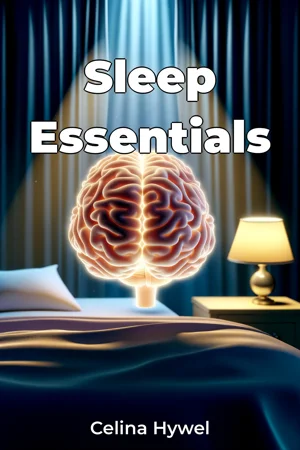
What if the key to unlocking peak physical health, mental clarity, and emotional resilience isn’t found in a pill, diet, or exercise regimen—but in the quality of your sleep? *Sleep Essentials: The Science of Healthy Rest* merges cutting-edge research with actionable insights to explore how circadian rhythms, sleep architecture, and modern lifestyle choices intersect to shape human well-being. Grounded in biology and neuroscience, this book dismantles myths about rest while providing evidence-based strategies to optimize sleep in a world increasingly hostile to natural rhythms. The book centers on three pillars: the biology of circadian rhythms, the impact of sleep stages on cognitive and physical health, and the societal forces disrupting restorative rest. These topics are examined through the lens of peer-reviewed studies, clinical trials, and evolutionary anthropology, offering readers a holistic understanding of sleep’s role in disease prevention, metabolic regulation, and cognitive performance. By contextualizing sleep within humanity’s evolutionary past and technology-driven present, the text underscores why prioritizing rest is not a luxury but a biological imperative. Historical context begins with 18th-century observations of plant circadian cycles, later linked to human physiology by Nobel Prize-winning research on clock genes. The book clarifies foundational concepts such as the suprachiasmatic nucleus (the brain’s “master clock”), melatonin production, and the interplay between light exposure and hormonal signaling. It then traces how industrialization, artificial lighting, and digital screens have decoupled human behavior from innate biological rhythms, contributing to epidemics of insomnia, obesity, and mood disorders. Central to the book’s thesis is that aligning daily habits with circadian biology—rather than fighting it—can enhance longevity and vitality. This argument challenges pervasive cultural attitudes that equate sleeplessness with productivity, positioning sleep as the cornerstone of preventive health care. Structured across 12 chapters, the book opens with an exploration of sleep’s evolutionary purpose, detailing how REM and non-REM cycles support memory consolidation, immune function, and emotional processing. Subsequent sections analyze the physiological costs of shift work, jet lag, and chronic sleep deprivation, citing longitudinal studies linking poor sleep to cardiovascular disease and neurodegenerative conditions. Later chapters provide pragmatic advice: optimizing light exposure, designing sleep-conducive environments, and leveraging chronotype-based scheduling. The final chapters address systemic solutions, advocating for policy changes in workplace schedules and school start times. Evidence draws from diverse sources, including meta-analyses on blue light’s impact on melatonin suppression, fMRI studies of sleep-deprived brains, and epidemiological data connecting insufficient sleep to diabetes risk. Unique datasets include comparative analyses of pre-industrial sleep patterns (derived from hunter-gatherer communities) and wearable-tech data tracking modern sleep variability. Interdisciplinary connections bridge chronobiology with psychology (e.g., sleep’s role in trauma recovery), nutrition (meal timing’s effect on metabolic health), and sociology (cultural perceptions of rest). These intersections reveal sleep as a linchpin influencing everything from individual decision-making to public health outcomes. The book distinguishes itself by synthesizing academic research with accessible frameworks, such as a “circadian audit” tool for readers to assess personal habits. It avoids one-size-fits-all solutions, instead emphasizing individualized adjustments based on genetic predispositions and lifestyle constraints. Written in clear, jargon-free prose, the tone balances scientific rigor with relatable analogies, making complex concepts like “sleep pressure” or “phase response curves” digestible for non-experts. Case studies and firsthand accounts from sleep researchers, athletes, and recovered insomniacs add narrative depth. Targeted at health-conscious adults, shift workers, educators, and corporate leaders, *Sleep Essentials* appeals to anyone seeking to improve performance or mitigate chronic health issues. It fulfills genre expectations by prioritizing empirical data over anecdote, while practical checklists and chapter summaries cater to self-help readers. The scope focuses on adult sleep, acknowledging but not delving deeply into pediatric or geriatric-specific needs. Controversies—such as debates over ideal sleep duration or the efficacy of sleep trackers—are addressed with balanced analysis, highlighting consensus areas and ongoing disputes. Real-world applications range from micro-adjustments (e.g., reducing evening screen time) to macro-level advocacy for “circadian-friendly” urban design. By framing sleep as both a personal responsibility and a collective challenge, *Sleep Essentials* redefines rest as the foundation of a healthier, more sustainable future.
What if the key to unlocking peak physical health, mental clarity, and emotional resilience isn’t found in a pill, diet, or exercise regimen—but in the quality of your sleep? *Sleep Essentials: The Science of Healthy Rest* merges cutting-edge research with actionable insights to explore how circadian rhythms, sleep architecture, and modern lifestyle choices intersect to shape human well-being. Grounded in biology and neuroscience, this book dismantles myths about rest while providing evidence-based strategies to optimize sleep in a world increasingly hostile to natural rhythms. The book centers on three pillars: the biology of circadian rhythms, the impact of sleep stages on cognitive and physical health, and the societal forces disrupting restorative rest. These topics are examined through the lens of peer-reviewed studies, clinical trials, and evolutionary anthropology, offering readers a holistic understanding of sleep’s role in disease prevention, metabolic regulation, and cognitive performance. By contextualizing sleep within humanity’s evolutionary past and technology-driven present, the text underscores why prioritizing rest is not a luxury but a biological imperative. Historical context begins with 18th-century observations of plant circadian cycles, later linked to human physiology by Nobel Prize-winning research on clock genes. The book clarifies foundational concepts such as the suprachiasmatic nucleus (the brain’s “master clock”), melatonin production, and the interplay between light exposure and hormonal signaling. It then traces how industrialization, artificial lighting, and digital screens have decoupled human behavior from innate biological rhythms, contributing to epidemics of insomnia, obesity, and mood disorders. Central to the book’s thesis is that aligning daily habits with circadian biology—rather than fighting it—can enhance longevity and vitality. This argument challenges pervasive cultural attitudes that equate sleeplessness with productivity, positioning sleep as the cornerstone of preventive health care. Structured across 12 chapters, the book opens with an exploration of sleep’s evolutionary purpose, detailing how REM and non-REM cycles support memory consolidation, immune function, and emotional processing. Subsequent sections analyze the physiological costs of shift work, jet lag, and chronic sleep deprivation, citing longitudinal studies linking poor sleep to cardiovascular disease and neurodegenerative conditions. Later chapters provide pragmatic advice: optimizing light exposure, designing sleep-conducive environments, and leveraging chronotype-based scheduling. The final chapters address systemic solutions, advocating for policy changes in workplace schedules and school start times. Evidence draws from diverse sources, including meta-analyses on blue light’s impact on melatonin suppression, fMRI studies of sleep-deprived brains, and epidemiological data connecting insufficient sleep to diabetes risk. Unique datasets include comparative analyses of pre-industrial sleep patterns (derived from hunter-gatherer communities) and wearable-tech data tracking modern sleep variability. Interdisciplinary connections bridge chronobiology with psychology (e.g., sleep’s role in trauma recovery), nutrition (meal timing’s effect on metabolic health), and sociology (cultural perceptions of rest). These intersections reveal sleep as a linchpin influencing everything from individual decision-making to public health outcomes. The book distinguishes itself by synthesizing academic research with accessible frameworks, such as a “circadian audit” tool for readers to assess personal habits. It avoids one-size-fits-all solutions, instead emphasizing individualized adjustments based on genetic predispositions and lifestyle constraints. Written in clear, jargon-free prose, the tone balances scientific rigor with relatable analogies, making complex concepts like “sleep pressure” or “phase response curves” digestible for non-experts. Case studies and firsthand accounts from sleep researchers, athletes, and recovered insomniacs add narrative depth. Targeted at health-conscious adults, shift workers, educators, and corporate leaders, *Sleep Essentials* appeals to anyone seeking to improve performance or mitigate chronic health issues. It fulfills genre expectations by prioritizing empirical data over anecdote, while practical checklists and chapter summaries cater to self-help readers. The scope focuses on adult sleep, acknowledging but not delving deeply into pediatric or geriatric-specific needs. Controversies—such as debates over ideal sleep duration or the efficacy of sleep trackers—are addressed with balanced analysis, highlighting consensus areas and ongoing disputes. Real-world applications range from micro-adjustments (e.g., reducing evening screen time) to macro-level advocacy for “circadian-friendly” urban design. By framing sleep as both a personal responsibility and a collective challenge, *Sleep Essentials* redefines rest as the foundation of a healthier, more sustainable future.
"Sleep Essentials: The Science of Healthy Rest" positions sleep as the unsung hero of holistic health, arguing that quality rest—not diets or exercise fads—is the cornerstone of physical vitality, mental sharpness, and emotional balance. The book synthesizes decades of sleep science to explain how circadian rhythms, our body’s internal 24-hour clock, govern everything from hormone release to brain function. It reveals startling insights, such as how hunter-gatherer communities—untouched by artificial light—naturally align with daylight cycles, contrasting sharply with modern screen-driven lifestyles that disrupt melatonin production and fuel insomnia. Another key finding shows REM sleep’s critical role in emotional processing, with studies linking chronic sleep deprivation to heightened anxiety and impaired decision-making. Structured across 12 chapters, the book begins with evolutionary biology, detailing how sleep architecture (the cycle of REM and non-REM stages) evolved to repair tissues, consolidate memories, and regulate metabolism. It then examines how industrialization and digital screens have hijacked natural rhythms, citing data connecting night-shift work to increased diabetes risk. Practical sections stand out with science-backed fixes: optimizing light exposure, designing sleep-friendly bedrooms, and tailoring schedules to individual chronotypes. A unique “circadian audit” tool helps readers assess habits, while policy-focused chapters advocate for societal shifts, like later school start times. Blending peer-reviewed research with relatable analogies—comparing the brain’s suprachiasmatic nucleus to an orchestra conductor—the book makes complex concepts accessible. Its interdisciplinary lens ties sleep to psychology, nutrition, and urban design, offering a roadmap for personal and collective well-being. By reframing sleep as nonnegotiable biology rather than a luxury, *Sleep Essentials* empowers readers to reclaim rest as the ultimate health hack.
Book Details
ISBN
9788233955427
Publisher
Publifye AS
Your Licenses
You don't own any licenses for this book
Purchase a license below to unlock this book and download the EPUB.
Purchase License
Select a tier to unlock this book
Need bulk licensing?
Contact us for enterprise agreements.