
About This Book
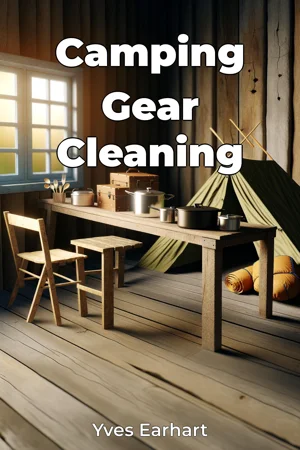
What if the way you clean your camping gear could mean the difference between a life-saving shelter and a moldy, torn tent on your next wilderness trip? *Camping Gear Cleaning* merges practical expertise with material science to equip outdoor enthusiasts with the knowledge to preserve their equipment for decades. This guide bridges the gap between adventure preparedness and sustainable craftsmanship, offering a systematic approach to gear maintenance that prioritizes durability, safety, and environmental responsibility. The book centers on three pillars: the science of outdoor materials, step-by-step cleaning protocols, and storage strategies tailored to diverse environments. Modern gear—from ultralight tents to moisture-wicking sleeping bags—relies on advanced synthetics and coatings that demand specific care. Neglect accelerates wear, while improper techniques can strip waterproofing or weaken seams. By demystifying the relationship between gear composition and maintenance, the book empowers readers to make informed decisions that extend equipment lifespans and reduce waste. Historically, camping gear was built from hardy, natural materials like canvas and leather, maintained with simple soaps and oils. Today’s high-performance fabrics and alloys require nuanced care. A polyester tent UV-treated for sun resistance, for example, degrades faster if scrubbed with abrasive cleaners, while down insulation clumps permanently if washed incorrectly. The book grounds its advice in this evolution, clarifying why traditional methods often fail modern gear. No prior technical knowledge is assumed; concepts like DWR (Durable Water Repellent) coatings or antimicrobial treatments are explained in accessible terms. The core argument is unambiguous: proactive maintenance is as critical as selecting quality gear. A $500 tent becomes useless if improperly stored, just as a premium sleeping bag loses insulation capacity after years of compressed storage. The book positions gear care not as a chore, but as an investment in safety and cost-efficiency, particularly for those who rely on equipment in remote areas. Structured for practicality, the book opens with a primer on material science, breaking down common fabrics (nylon, Gore-Tex), metals (aluminum poles, stainless steel tools), and insulation types. Subsequent chapters detail cleaning methods for specific gear categories, addressing pitfalls like detergent residue in hydration bladders or mold in collapsible water containers. Storage solutions are organized by climate—humid, arid, or variable—with an emphasis on minimizing moisture, pests, and UV exposure. Case studies illustrate real-world consequences of neglect, such as a hiker’s failed Appalachian Trail attempt due to a disintegrated pack hipbelt. Evidence draws from manufacturer guidelines, interviews with gear repair specialists, and laboratory studies on material degradation. For instance, UV exposure tests on tent fabrics reveal that improper drying accelerates fiber breakdown by 40%. The book also incorporates data from outdoor schools and thru-hikers, highlighting trends in gear longevity. Interdisciplinary insights enrich the content: principles from materials engineering explain fabric coatings, ecological research informs eco-friendly cleaning solutions (e.g., vinegar-based mold treatments), and organizational psychology tactics help readers build consistent maintenance habits. This multidimensional approach ensures advice is both technically sound and practically adaptable. Unique to this guide is its fusion of gear-specific protocols with broader sustainability goals. A chapter on repairing versus replacing damaged items includes tutorials on patching tears and rejuvenating waterproofing, aligning with a growing movement toward reducing outdoor industry waste. The book also addresses debates, such as the efficacy of homemade cleaners versus specialized products, presenting unbiased comparisons for readers to weigh cost, convenience, and environmental impact. Written in a clear, conversational tone, the book avoids jargon without sacrificing depth. Checklists, troubleshooting guides, and seasonal maintenance timelines provide immediate utility, while anecdotes from mountaineers and family campers underscore the human stakes of gear reliability. Targeted at casual campers, serious adventurers, and outdoor educators alike, *Camping Gear Cleaning* appeals to anyone seeking to maximize gear performance and minimize environmental footprint. Its Crafts & Hobbies roots shine in detailed tutorials, while the Adventure genre drives narrative urgency through real-life scenarios. The book intentionally focuses on mainstream gear—tents, sleeping bags, cookware—excluding niche items like expedition-grade climbing hardware. Limitations in product-specific advice are offset by teaching readers to interpret care labels and adapt principles to new technologies. By translating research into actionable habits, *Camping Gear Cleaning* ensures readers can immediately implement strategies, whether preparing gear for off-season storage or rehabilitating neglected equipment. In doing so, it redefines gear maintenance as a non-negotiable skill for every outdoor enthusiast.
What if the way you clean your camping gear could mean the difference between a life-saving shelter and a moldy, torn tent on your next wilderness trip? *Camping Gear Cleaning* merges practical expertise with material science to equip outdoor enthusiasts with the knowledge to preserve their equipment for decades. This guide bridges the gap between adventure preparedness and sustainable craftsmanship, offering a systematic approach to gear maintenance that prioritizes durability, safety, and environmental responsibility. The book centers on three pillars: the science of outdoor materials, step-by-step cleaning protocols, and storage strategies tailored to diverse environments. Modern gear—from ultralight tents to moisture-wicking sleeping bags—relies on advanced synthetics and coatings that demand specific care. Neglect accelerates wear, while improper techniques can strip waterproofing or weaken seams. By demystifying the relationship between gear composition and maintenance, the book empowers readers to make informed decisions that extend equipment lifespans and reduce waste. Historically, camping gear was built from hardy, natural materials like canvas and leather, maintained with simple soaps and oils. Today’s high-performance fabrics and alloys require nuanced care. A polyester tent UV-treated for sun resistance, for example, degrades faster if scrubbed with abrasive cleaners, while down insulation clumps permanently if washed incorrectly. The book grounds its advice in this evolution, clarifying why traditional methods often fail modern gear. No prior technical knowledge is assumed; concepts like DWR (Durable Water Repellent) coatings or antimicrobial treatments are explained in accessible terms. The core argument is unambiguous: proactive maintenance is as critical as selecting quality gear. A $500 tent becomes useless if improperly stored, just as a premium sleeping bag loses insulation capacity after years of compressed storage. The book positions gear care not as a chore, but as an investment in safety and cost-efficiency, particularly for those who rely on equipment in remote areas. Structured for practicality, the book opens with a primer on material science, breaking down common fabrics (nylon, Gore-Tex), metals (aluminum poles, stainless steel tools), and insulation types. Subsequent chapters detail cleaning methods for specific gear categories, addressing pitfalls like detergent residue in hydration bladders or mold in collapsible water containers. Storage solutions are organized by climate—humid, arid, or variable—with an emphasis on minimizing moisture, pests, and UV exposure. Case studies illustrate real-world consequences of neglect, such as a hiker’s failed Appalachian Trail attempt due to a disintegrated pack hipbelt. Evidence draws from manufacturer guidelines, interviews with gear repair specialists, and laboratory studies on material degradation. For instance, UV exposure tests on tent fabrics reveal that improper drying accelerates fiber breakdown by 40%. The book also incorporates data from outdoor schools and thru-hikers, highlighting trends in gear longevity. Interdisciplinary insights enrich the content: principles from materials engineering explain fabric coatings, ecological research informs eco-friendly cleaning solutions (e.g., vinegar-based mold treatments), and organizational psychology tactics help readers build consistent maintenance habits. This multidimensional approach ensures advice is both technically sound and practically adaptable. Unique to this guide is its fusion of gear-specific protocols with broader sustainability goals. A chapter on repairing versus replacing damaged items includes tutorials on patching tears and rejuvenating waterproofing, aligning with a growing movement toward reducing outdoor industry waste. The book also addresses debates, such as the efficacy of homemade cleaners versus specialized products, presenting unbiased comparisons for readers to weigh cost, convenience, and environmental impact. Written in a clear, conversational tone, the book avoids jargon without sacrificing depth. Checklists, troubleshooting guides, and seasonal maintenance timelines provide immediate utility, while anecdotes from mountaineers and family campers underscore the human stakes of gear reliability. Targeted at casual campers, serious adventurers, and outdoor educators alike, *Camping Gear Cleaning* appeals to anyone seeking to maximize gear performance and minimize environmental footprint. Its Crafts & Hobbies roots shine in detailed tutorials, while the Adventure genre drives narrative urgency through real-life scenarios. The book intentionally focuses on mainstream gear—tents, sleeping bags, cookware—excluding niche items like expedition-grade climbing hardware. Limitations in product-specific advice are offset by teaching readers to interpret care labels and adapt principles to new technologies. By translating research into actionable habits, *Camping Gear Cleaning* ensures readers can immediately implement strategies, whether preparing gear for off-season storage or rehabilitating neglected equipment. In doing so, it redefines gear maintenance as a non-negotiable skill for every outdoor enthusiast.
*Camping Gear Cleaning* transforms routine maintenance into a vital skill for outdoor enthusiasts, blending material science with hands-on care to protect gear and enhance adventures. The book’s core theme revolves around the idea that proper cleaning and storage aren’t just chores—they’re essential practices for safety, cost-efficiency, and reducing environmental waste. By explaining how modern materials like UV-treated polyester or waterproof coatings demand specific care, it reveals how simple mistakes—scrubbing tents with harsh cleaners or compressing sleeping bags—can sabotage gear performance. Structured for practicality, the guide begins with easy-to-grasp lessons on fabric science and gear composition before diving into step-by-step protocols. Readers learn to clean hydration systems without detergent residue, store gear in humid climates to prevent mold, and repair tears instead of replacing items. Real-world examples add urgency: a hiker’s failed Appalachian Trail attempt due to a degraded backpack hipbelt underscores the stakes. The book stands out by linking gear care to sustainability, offering eco-friendly solutions like vinegar-based cleaners and advocating for mindful consumption. Balancing Crafts & Hobbies detail with Adventure-driven storytelling, the book uses checklists, climate-specific storage tips, and manufacturer-backed data to make techniques accessible. Its conversational tone demystifies concepts like DWR coatings, while case studies and troubleshooting guides turn theory into habit. For campers seeking gear that lasts decades—not just seasons—*Camping Gear Cleaning* redefines maintenance as a non-negotiable part of the outdoor experience.
Book Details
ISBN
9788233955113
Publisher
Publifye AS
Your Licenses
You don't own any licenses for this book
Purchase a license below to unlock this book and download the EPUB.
Purchase License
Select a tier to unlock this book
Need bulk licensing?
Contact us for enterprise agreements.