
About This Book
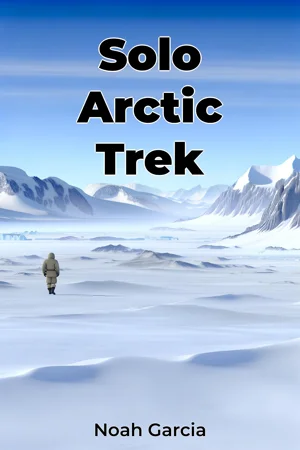
What does it take to survive alone in the Arctic, where temperatures plunge to -50°C and isolation stretches the mind to its limits? *Solo Arctic Trek* examines this question through a meticulous exploration of survival techniques and psychological resilience, drawing from documented expeditions, scientific research, and firsthand accounts. This book merges the stark realities of polar exploration with insights into human adaptability, offering a sobering yet inspiring analysis of endurance in one of Earth’s most extreme environments. The book anchors its narrative in two core themes: the physiological demands of extreme cold and the psychological strategies required to combat isolation. These topics are dissected through the lens of historical and modern expeditions, revealing how survival hinges on both technical skill and mental fortitude. Understanding these elements is critical not only for adventurers but for anyone interested in the boundaries of human potential. Context is rooted in the legacy of 19th- and 20th-century polar expeditions, such as those led by Fridtjof Nansen and Roald Amundsen, contrasted with contemporary solo journeys. Advances in gear and navigation are weighed against timeless challenges like frostbite, hypothermia, and the psychological toll of solitude. The book assumes a basic familiarity with cold-weather ecosystems but carefully explains specialized concepts, such as metabolic adaptation and decision fatigue, ensuring accessibility for general readers. Central to the book’s thesis is the argument that surviving the Arctic alone demands a symbiotic relationship between body and mind. While cutting-edge equipment and knowledge of ice dynamics are vital, equally crucial is the ability to manage fear, sustain motivation, and make calibrated decisions under duress. This interdependence, the book posits, redefines traditional notions of survival by elevating psychological readiness to the same stature as physical preparedness. Structured in three parts, *Solo Arctic Trek* begins with an overview of Arctic ecology and the history of polar exploration, establishing the environment’s unique hazards. The second section delves into survival mechanics: constructing shelters, rationing supplies, and interpreting weather patterns. Interwoven with these practicalities are profiles of modern adventurers, whose journals illustrate the mental toll of weeks spent in unrelenting darkness. The final chapters synthesize these themes, analyzing case studies of successful and failed expeditions to identify patterns in decision-making and resilience. Evidence is drawn from diverse sources: peer-reviewed studies on cold physiology, psychological analyses of isolation from polar research institutes, and unpublished expedition logs. A standout feature is the inclusion of interviews with living explorers, whose candid reflections on near-fatal errors provide visceral depth. The book also incorporates data from satellite trackers and biometric sensors, offering empirical insights into stress responses during solo treks. Interdisciplinary connections strengthen the narrative. Environmental science clarifies how shifting ice formations impact route planning; cognitive psychology frameworks explain risk assessment in high-stakes scenarios; and historical comparisons highlight advancements in survival technology. These intersections underscore the multifaceted nature of Arctic survival, positioning it as a microcosm of broader human adaptation. *Solo Arctic Trek* distinguishes itself by blending narrative-driven accounts with scientific rigor. Unlike survival manuals or memoirs, it adopts a hybrid approach, pairing technical analysis with vivid storytelling. This method illuminates the human dimension of data—for instance, how a climber’s cortisol levels spike during a storm, as recounted in their journal. Written in a crisp, narrative nonfiction style, the book balances descriptive prose with concise explanations. It avoids sensationalism, opting instead for measured reflections on mortality, perseverance, and the ethics of solo expeditions. The tone appeals to both adventurers and armchair readers, offering practical advice alongside philosophical inquiry. Targeted at outdoor enthusiasts, psychology scholars, and fans of exploration history, the book serves as a primer on resilience. Its lessons extend beyond the Arctic: strategies for managing stress or isolation resonate in everyday contexts, from professional crises to personal challenges. Genre conventions of adventure writing are honored through pacing and perilous anecdotes, while ecological details anchor the narrative in contemporary climate realities. The scope is intentionally narrow, focusing on solo journeys rather than team expeditions. This constraint allows depth but acknowledges limitations—for instance, group dynamics are omitted, and regional variations in Arctic conditions are simplified for clarity. Practical applications are emphasized throughout. Chapters conclude with bullet-pointed takeaways, such as techniques for maintaining cognitive clarity during prolonged solitude. Controversies are not shied away from, including debates about the recklessness of solo expeditions in an era of climate instability and the moral responsibilities of adventurers in fragile ecosystems. *Solo Arctic Trek* does not romanticize the Arctic but instead presents it as a demanding teacher. Its ultimate revelation is that survival in the harshest climates mirrors the human condition: a negotiation between preparation and adaptability, control and surrender.
What does it take to survive alone in the Arctic, where temperatures plunge to -50°C and isolation stretches the mind to its limits? *Solo Arctic Trek* examines this question through a meticulous exploration of survival techniques and psychological resilience, drawing from documented expeditions, scientific research, and firsthand accounts. This book merges the stark realities of polar exploration with insights into human adaptability, offering a sobering yet inspiring analysis of endurance in one of Earth’s most extreme environments. The book anchors its narrative in two core themes: the physiological demands of extreme cold and the psychological strategies required to combat isolation. These topics are dissected through the lens of historical and modern expeditions, revealing how survival hinges on both technical skill and mental fortitude. Understanding these elements is critical not only for adventurers but for anyone interested in the boundaries of human potential. Context is rooted in the legacy of 19th- and 20th-century polar expeditions, such as those led by Fridtjof Nansen and Roald Amundsen, contrasted with contemporary solo journeys. Advances in gear and navigation are weighed against timeless challenges like frostbite, hypothermia, and the psychological toll of solitude. The book assumes a basic familiarity with cold-weather ecosystems but carefully explains specialized concepts, such as metabolic adaptation and decision fatigue, ensuring accessibility for general readers. Central to the book’s thesis is the argument that surviving the Arctic alone demands a symbiotic relationship between body and mind. While cutting-edge equipment and knowledge of ice dynamics are vital, equally crucial is the ability to manage fear, sustain motivation, and make calibrated decisions under duress. This interdependence, the book posits, redefines traditional notions of survival by elevating psychological readiness to the same stature as physical preparedness. Structured in three parts, *Solo Arctic Trek* begins with an overview of Arctic ecology and the history of polar exploration, establishing the environment’s unique hazards. The second section delves into survival mechanics: constructing shelters, rationing supplies, and interpreting weather patterns. Interwoven with these practicalities are profiles of modern adventurers, whose journals illustrate the mental toll of weeks spent in unrelenting darkness. The final chapters synthesize these themes, analyzing case studies of successful and failed expeditions to identify patterns in decision-making and resilience. Evidence is drawn from diverse sources: peer-reviewed studies on cold physiology, psychological analyses of isolation from polar research institutes, and unpublished expedition logs. A standout feature is the inclusion of interviews with living explorers, whose candid reflections on near-fatal errors provide visceral depth. The book also incorporates data from satellite trackers and biometric sensors, offering empirical insights into stress responses during solo treks. Interdisciplinary connections strengthen the narrative. Environmental science clarifies how shifting ice formations impact route planning; cognitive psychology frameworks explain risk assessment in high-stakes scenarios; and historical comparisons highlight advancements in survival technology. These intersections underscore the multifaceted nature of Arctic survival, positioning it as a microcosm of broader human adaptation. *Solo Arctic Trek* distinguishes itself by blending narrative-driven accounts with scientific rigor. Unlike survival manuals or memoirs, it adopts a hybrid approach, pairing technical analysis with vivid storytelling. This method illuminates the human dimension of data—for instance, how a climber’s cortisol levels spike during a storm, as recounted in their journal. Written in a crisp, narrative nonfiction style, the book balances descriptive prose with concise explanations. It avoids sensationalism, opting instead for measured reflections on mortality, perseverance, and the ethics of solo expeditions. The tone appeals to both adventurers and armchair readers, offering practical advice alongside philosophical inquiry. Targeted at outdoor enthusiasts, psychology scholars, and fans of exploration history, the book serves as a primer on resilience. Its lessons extend beyond the Arctic: strategies for managing stress or isolation resonate in everyday contexts, from professional crises to personal challenges. Genre conventions of adventure writing are honored through pacing and perilous anecdotes, while ecological details anchor the narrative in contemporary climate realities. The scope is intentionally narrow, focusing on solo journeys rather than team expeditions. This constraint allows depth but acknowledges limitations—for instance, group dynamics are omitted, and regional variations in Arctic conditions are simplified for clarity. Practical applications are emphasized throughout. Chapters conclude with bullet-pointed takeaways, such as techniques for maintaining cognitive clarity during prolonged solitude. Controversies are not shied away from, including debates about the recklessness of solo expeditions in an era of climate instability and the moral responsibilities of adventurers in fragile ecosystems. *Solo Arctic Trek* does not romanticize the Arctic but instead presents it as a demanding teacher. Its ultimate revelation is that survival in the harshest climates mirrors the human condition: a negotiation between preparation and adaptability, control and surrender.
*Solo Arctic Trek* explores the extraordinary challenges of surviving alone in the Arctic, where extreme cold, isolation, and psychological strain test the limits of human endurance. The book delves into the interplay between physical survival techniques and mental resilience, drawing from historical polar expeditions and modern solo journeys. It reveals how adventurers combat frostbite, hypothermia, and decision fatigue while navigating the Arctic’s unforgiving terrain. By blending scientific research, firsthand accounts, and vivid storytelling, the book offers a unique perspective on the symbiotic relationship between body and mind in extreme environments. The narrative is structured in three parts, beginning with an overview of Arctic ecology and polar exploration history. It then dives into practical survival strategies, such as shelter-building and weather interpretation, while weaving in the psychological toll of isolation through adventurers’ journals. The final chapters analyze case studies of successful and failed expeditions, highlighting patterns in decision-making and resilience. What sets *Solo Arctic Trek* apart is its hybrid approach, combining technical analysis with gripping narratives, making it accessible to both adventurers and armchair readers. This book is not just about survival in the Arctic; it’s a profound exploration of human adaptability and the lessons it offers for overcoming challenges in everyday life. With its blend of adventure, science, and philosophy, *Solo Arctic Trek* is a compelling read for anyone fascinated by the boundaries of human potential.
Book Details
ISBN
9788233954314
Publisher
Publifye AS
Your Licenses
You don't own any licenses for this book
Purchase a license below to unlock this book and download the EPUB.
Purchase License
Select a tier to unlock this book
Need bulk licensing?
Contact us for enterprise agreements.