
About This Book
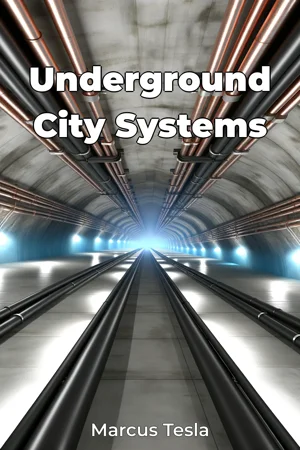
"Underground City Systems" examines the hidden infrastructure networks that form the backbone of urban civilization, revealing how subterranean engineering has shaped human settlements from ancient times to the present day. This comprehensive analysis combines historical research, engineering principles, and urban planning insights to document the evolution and importance of underground systems. The book presents three core themes: the development of ancient water management systems, the integration of modern utility networks, and the expansion of transportation infrastructure beneath major global cities. These interconnected topics demonstrate how underground systems have become increasingly crucial for sustainable urban development and efficient city operations. Beginning with ancient civilizations, the text explores pioneering underground water systems, from Roman aqueducts to Persian qanats, establishing the historical foundation of subterranean engineering. This context transitions into an examination of modern utility networks, including water, sewage, electricity, and telecommunications, highlighting how these systems have evolved to meet growing urban demands. The central argument posits that understanding and optimizing underground infrastructure is essential for addressing contemporary urban challenges, including population growth, resource management, and environmental sustainability. Through detailed case studies of major cities like London, Tokyo, and New York, the book demonstrates how underground systems have become critical to urban functionality and resilience. The content is structured in three main sections: historical development, current systems, and future challenges. Each section incorporates engineering specifications, architectural drawings, and urban planning documents to support its analysis. The research draws from archaeological findings, municipal records, and contemporary engineering studies, providing a robust foundation for the book's arguments. Technical aspects are explained through detailed diagrams, cross-sections, and 3D modeling, making complex engineering concepts accessible to readers with varying levels of technical knowledge. The text maintains a balanced approach between technical detail and practical application, suitable for both professionals and informed general readers. The book connects engineering, urban planning, and environmental science, demonstrating how these disciplines intersect in the development and maintenance of underground infrastructure. This interdisciplinary approach provides insights into sustainable urban development, public health management, and technological innovation. Written in a methodical, technical style, the text presents information with clarity and precision, avoiding sensationalism in favor of factual analysis. While technical terms are used throughout, they are carefully defined and contextualized for accessibility. The target audience includes urban planners, civil engineers, architects, and municipal decision-makers, as well as students and professionals in related fields. The book serves as both a comprehensive reference and a practical guide for understanding and planning underground infrastructure. Particular attention is given to emerging technologies and methodologies in underground construction and maintenance, including automated tunnel boring systems, smart infrastructure monitoring, and integrated utility management platforms. The book addresses current debates in urban development, such as the balance between infrastructure expansion and historical preservation, and the implementation of smart city technologies in underground systems. The scope encompasses both established and emerging urban centers worldwide, though it focuses primarily on major metropolitan areas where underground infrastructure is most developed. Practical applications include infrastructure planning guidelines, maintenance protocols, and risk assessment frameworks for urban development projects. Through this comprehensive examination of underground city systems, the book provides essential knowledge for understanding and advancing urban infrastructure development in an increasingly complex and densely populated world.
"Underground City Systems" examines the hidden infrastructure networks that form the backbone of urban civilization, revealing how subterranean engineering has shaped human settlements from ancient times to the present day. This comprehensive analysis combines historical research, engineering principles, and urban planning insights to document the evolution and importance of underground systems. The book presents three core themes: the development of ancient water management systems, the integration of modern utility networks, and the expansion of transportation infrastructure beneath major global cities. These interconnected topics demonstrate how underground systems have become increasingly crucial for sustainable urban development and efficient city operations. Beginning with ancient civilizations, the text explores pioneering underground water systems, from Roman aqueducts to Persian qanats, establishing the historical foundation of subterranean engineering. This context transitions into an examination of modern utility networks, including water, sewage, electricity, and telecommunications, highlighting how these systems have evolved to meet growing urban demands. The central argument posits that understanding and optimizing underground infrastructure is essential for addressing contemporary urban challenges, including population growth, resource management, and environmental sustainability. Through detailed case studies of major cities like London, Tokyo, and New York, the book demonstrates how underground systems have become critical to urban functionality and resilience. The content is structured in three main sections: historical development, current systems, and future challenges. Each section incorporates engineering specifications, architectural drawings, and urban planning documents to support its analysis. The research draws from archaeological findings, municipal records, and contemporary engineering studies, providing a robust foundation for the book's arguments. Technical aspects are explained through detailed diagrams, cross-sections, and 3D modeling, making complex engineering concepts accessible to readers with varying levels of technical knowledge. The text maintains a balanced approach between technical detail and practical application, suitable for both professionals and informed general readers. The book connects engineering, urban planning, and environmental science, demonstrating how these disciplines intersect in the development and maintenance of underground infrastructure. This interdisciplinary approach provides insights into sustainable urban development, public health management, and technological innovation. Written in a methodical, technical style, the text presents information with clarity and precision, avoiding sensationalism in favor of factual analysis. While technical terms are used throughout, they are carefully defined and contextualized for accessibility. The target audience includes urban planners, civil engineers, architects, and municipal decision-makers, as well as students and professionals in related fields. The book serves as both a comprehensive reference and a practical guide for understanding and planning underground infrastructure. Particular attention is given to emerging technologies and methodologies in underground construction and maintenance, including automated tunnel boring systems, smart infrastructure monitoring, and integrated utility management platforms. The book addresses current debates in urban development, such as the balance between infrastructure expansion and historical preservation, and the implementation of smart city technologies in underground systems. The scope encompasses both established and emerging urban centers worldwide, though it focuses primarily on major metropolitan areas where underground infrastructure is most developed. Practical applications include infrastructure planning guidelines, maintenance protocols, and risk assessment frameworks for urban development projects. Through this comprehensive examination of underground city systems, the book provides essential knowledge for understanding and advancing urban infrastructure development in an increasingly complex and densely populated world.
"Underground City Systems" presents a fascinating exploration of the hidden infrastructure networks that sustain modern urban life, tracing their evolution from ancient civilizations to contemporary metropolises. The book masterfully weaves together historical research, engineering principles, and urban planning insights to demonstrate how subterranean systems have become critical to city functionality and resilience. Through detailed case studies of cities like London, Tokyo, and New York, readers discover how underground infrastructure addresses challenges of population growth, resource management, and environmental sustainability. The book's journey begins with ancient water management systems like Roman aqueducts and Persian qanats, establishing the historical foundation of underground engineering. It then transitions to modern utility networks, examining how water, sewage, electricity, and telecommunications systems have evolved to meet growing urban demands. Technical concepts are made accessible through detailed diagrams and 3D modeling, while maintaining a balance between technical detail and practical application. Structured in three main sections covering historical development, current systems, and future challenges, the book serves as both a comprehensive reference and practical guide for urban planners, civil engineers, and architects. It uniquely combines archaeological findings, municipal records, and contemporary engineering studies to present a holistic view of underground infrastructure. Special attention is given to emerging technologies like automated tunnel boring systems and smart infrastructure monitoring, making this an invaluable resource for understanding the future of urban development.
Book Details
ISBN
9788233953591
Publisher
Publifye AS
Your Licenses
You don't own any licenses for this book
Purchase a license below to unlock this book and download the EPUB.
Purchase License
Select a tier to unlock this book
Need bulk licensing?
Contact us for enterprise agreements.