
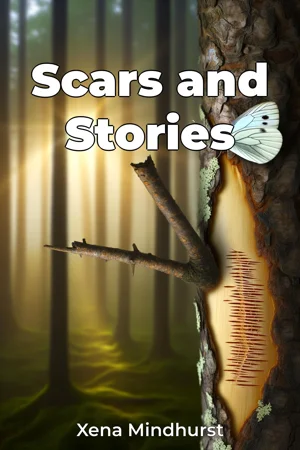
About This Book
"Scars and Stories" opens with a fundamental truth: every scar carries a narrative that shapes human identity and resilience. This comprehensive exploration examines how physical and emotional scars function as biological markers of healing and psychological timestamps of personal history. The book presents three interconnected themes: the biology of scarring as a survival mechanism, the psychological impact of visible and invisible scars, and the cultural significance of scars across societies. Through these lenses, readers discover how scars serve as both physical remainders of past experiences and catalysts for personal growth. Drawing from neuroscience, psychology, and anthropology, the work establishes a scientific foundation by examining the healing process at cellular and emotional levels. Research from leading medical institutions demonstrates how physical scarring represents the body's sophisticated repair system, while psychological studies reveal parallel processes in emotional recovery. The central argument posits that scars are not merely remnants of trauma but active components in identity formation and personal development. This perspective challenges traditional views of scars as purely negative markers, revealing their role in building resilience and facilitating post-traumatic growth. The book's structure progresses through three major sections: First, it examines the biological and psychological mechanisms of scarring, supported by current medical research and case studies. Second, it explores how individuals integrate their scars into their self-narrative, featuring interviews with survivors of various traumas. Third, it presents practical frameworks for utilizing scar-related experiences as tools for personal development. Evidence is drawn from multiple sources, including longitudinal studies on trauma recovery, cross-cultural anthropological research, and psychological surveys. The methodology combines quantitative data with qualitative insights from therapeutic practices and cultural studies. The work connects several disciplines, linking dermatological science with psychological healing processes, and anthropological perspectives on scarification with modern identity theory. These intersections provide readers with a holistic understanding of how physical and emotional healing processes mirror each other. Written in an accessible narrative style that balances scientific accuracy with personal insight, the book maintains a professional tone while remaining engaging for general readers. Technical concepts are clearly explained through relevant examples and practical applications. The target audience includes healthcare professionals, mental health practitioners, and individuals seeking to understand and process their own experiences with physical or emotional scarring. The book serves both professional and personal development purposes, offering evidence-based strategies for healing and growth. Practical applications include therapeutic techniques for processing trauma, frameworks for understanding personal resilience, and methods for integrating difficult experiences into a coherent life narrative. These tools are presented with clear guidelines and real-world examples. The book acknowledges ongoing debates in trauma theory and healing processes, addressing controversies surrounding the medicalization of emotional scars and various therapeutic approaches. It presents balanced perspectives while maintaining focus on evidence-based conclusions. Throughout the work, cultural variations in scar interpretation and healing practices are examined, from traditional scarification rituals to modern cosmetic procedures, providing context for how different societies view and value these markers of experience. The scope encompasses both acute and chronic scarring experiences, though it primarily focuses on non-developmental trauma and its aftermath. This focused approach allows for deeper exploration of specific healing processes while acknowledging the broader context of human experience.
"Scars and Stories" opens with a fundamental truth: every scar carries a narrative that shapes human identity and resilience. This comprehensive exploration examines how physical and emotional scars function as biological markers of healing and psychological timestamps of personal history. The book presents three interconnected themes: the biology of scarring as a survival mechanism, the psychological impact of visible and invisible scars, and the cultural significance of scars across societies. Through these lenses, readers discover how scars serve as both physical remainders of past experiences and catalysts for personal growth. Drawing from neuroscience, psychology, and anthropology, the work establishes a scientific foundation by examining the healing process at cellular and emotional levels. Research from leading medical institutions demonstrates how physical scarring represents the body's sophisticated repair system, while psychological studies reveal parallel processes in emotional recovery. The central argument posits that scars are not merely remnants of trauma but active components in identity formation and personal development. This perspective challenges traditional views of scars as purely negative markers, revealing their role in building resilience and facilitating post-traumatic growth. The book's structure progresses through three major sections: First, it examines the biological and psychological mechanisms of scarring, supported by current medical research and case studies. Second, it explores how individuals integrate their scars into their self-narrative, featuring interviews with survivors of various traumas. Third, it presents practical frameworks for utilizing scar-related experiences as tools for personal development. Evidence is drawn from multiple sources, including longitudinal studies on trauma recovery, cross-cultural anthropological research, and psychological surveys. The methodology combines quantitative data with qualitative insights from therapeutic practices and cultural studies. The work connects several disciplines, linking dermatological science with psychological healing processes, and anthropological perspectives on scarification with modern identity theory. These intersections provide readers with a holistic understanding of how physical and emotional healing processes mirror each other. Written in an accessible narrative style that balances scientific accuracy with personal insight, the book maintains a professional tone while remaining engaging for general readers. Technical concepts are clearly explained through relevant examples and practical applications. The target audience includes healthcare professionals, mental health practitioners, and individuals seeking to understand and process their own experiences with physical or emotional scarring. The book serves both professional and personal development purposes, offering evidence-based strategies for healing and growth. Practical applications include therapeutic techniques for processing trauma, frameworks for understanding personal resilience, and methods for integrating difficult experiences into a coherent life narrative. These tools are presented with clear guidelines and real-world examples. The book acknowledges ongoing debates in trauma theory and healing processes, addressing controversies surrounding the medicalization of emotional scars and various therapeutic approaches. It presents balanced perspectives while maintaining focus on evidence-based conclusions. Throughout the work, cultural variations in scar interpretation and healing practices are examined, from traditional scarification rituals to modern cosmetic procedures, providing context for how different societies view and value these markers of experience. The scope encompasses both acute and chronic scarring experiences, though it primarily focuses on non-developmental trauma and its aftermath. This focused approach allows for deeper exploration of specific healing processes while acknowledging the broader context of human experience.
"Scars and Stories" presents a groundbreaking exploration of how physical and emotional scars shape human identity and resilience. This thought-provoking work challenges the traditional negative perception of scars, revealing them as powerful indicators of both healing and personal growth. Through a unique combination of neuroscience, psychology, and anthropology, the book demonstrates how scars serve as biological markers of survival and psychological timestamps of our life experiences. The book's three-part structure guides readers through a comprehensive understanding of scarring, beginning with the biological and psychological mechanisms at play. Using accessible language and compelling case studies, it examines how the body's sophisticated repair system mirrors emotional healing processes. The second section delves into personal narratives and trauma recovery, while the final part provides practical frameworks for transforming scar-related experiences into tools for self-development. What sets this work apart is its holistic approach to understanding scars as active components in identity formation rather than mere remnants of trauma. Drawing from longitudinal studies, cross-cultural research, and therapeutic practices, it offers valuable insights for both healthcare professionals and individuals on their healing journey. The book masterfully balances scientific accuracy with emotional intelligence, making complex concepts accessible while providing evidence-based strategies for processing trauma and building resilience.
Book Details
ISBN
9788233953348
Publisher
Publifye AS
Your Licenses
You don't own any licenses for this book
Purchase a license below to unlock this book and download the EPUB.
Purchase License
Select a tier to unlock this book
Need bulk licensing?
Contact us for enterprise agreements.