
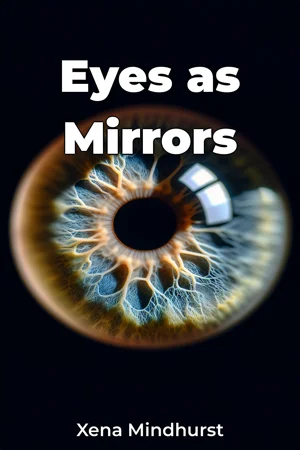
About This Book
"Eyes as Mirrors" presents a comprehensive analysis of how human eyes serve as vital instruments of communication, health indicators, and cultural symbols. The book examines the complex interplay between visual perception, neurological responses, and social interaction, supported by recent research in neuroscience and behavioral psychology. Drawing from extensive clinical studies and cross-cultural research, the book establishes three core premises: the eyes' role in emotional expression and social bonding, their function as early warning systems for various health conditions, and their diverse cultural interpretations across societies. Through careful examination of pupillary responses, micro-expressions, and gaze patterns, readers gain insight into how eyes reflect both conscious and unconscious mental states. The work is structured in three main sections. The first explores the neurobiological foundation of eye communication, including detailed analysis of how mirror neurons respond to eye contact and facial expressions. The second section presents clinical research on how various health conditions manifest through observable changes in the eyes, from cardiovascular issues to neurological disorders. The final section examines cultural variations in eye-related behaviors and beliefs, supported by anthropological studies from over 40 societies. Research evidence includes longitudinal studies on infant-caregiver eye contact patterns, clinical trials measuring pupillary responses to emotional stimuli, and ethnographic data on eye-related customs and taboos. The book incorporates findings from ophthalmology, neurology, psychology, and anthropology, creating a multidisciplinary perspective on visual communication. The text connects to multiple disciplines, including evolutionary biology in explaining the development of human eye signals, sociology in examining group dynamics of eye contact, and medical diagnostics in exploring visual biomarkers. These intersections demonstrate how eye communication influences human development, social organization, and health assessment. Written in an academic yet accessible style, the book presents complex scientific concepts through clear explanations and relevant examples. It targets healthcare professionals, social scientists, and educated general readers interested in human behavior and communication. The content maintains scientific rigor while making findings applicable to daily interactions and health awareness. The book addresses current debates in the field, including the role of technology in changing eye contact patterns and the validity of eye-movement-based psychological assessments. It presents balanced evidence for competing theories while acknowledging areas requiring further research. Practical applications include guidelines for healthcare providers in using eye-based diagnostics, strategies for improving interpersonal communication through enhanced awareness of eye signals, and frameworks for cross-cultural interaction based on varying eye contact norms. The work's scope encompasses both macro-level analysis of evolutionary and cultural patterns and micro-level examination of individual behaviors and medical applications. While focusing primarily on human eyes, it acknowledges comparative studies with other primates to provide evolutionary context. This research-based examination offers readers tools for understanding nonverbal communication, recognizing health indicators, and navigating cultural differences in eye-related behaviors. The book fills a significant gap in current literature by integrating previously separate streams of research into a unified understanding of eyes as biological, social, and cultural indicators.
"Eyes as Mirrors" presents a comprehensive analysis of how human eyes serve as vital instruments of communication, health indicators, and cultural symbols. The book examines the complex interplay between visual perception, neurological responses, and social interaction, supported by recent research in neuroscience and behavioral psychology. Drawing from extensive clinical studies and cross-cultural research, the book establishes three core premises: the eyes' role in emotional expression and social bonding, their function as early warning systems for various health conditions, and their diverse cultural interpretations across societies. Through careful examination of pupillary responses, micro-expressions, and gaze patterns, readers gain insight into how eyes reflect both conscious and unconscious mental states. The work is structured in three main sections. The first explores the neurobiological foundation of eye communication, including detailed analysis of how mirror neurons respond to eye contact and facial expressions. The second section presents clinical research on how various health conditions manifest through observable changes in the eyes, from cardiovascular issues to neurological disorders. The final section examines cultural variations in eye-related behaviors and beliefs, supported by anthropological studies from over 40 societies. Research evidence includes longitudinal studies on infant-caregiver eye contact patterns, clinical trials measuring pupillary responses to emotional stimuli, and ethnographic data on eye-related customs and taboos. The book incorporates findings from ophthalmology, neurology, psychology, and anthropology, creating a multidisciplinary perspective on visual communication. The text connects to multiple disciplines, including evolutionary biology in explaining the development of human eye signals, sociology in examining group dynamics of eye contact, and medical diagnostics in exploring visual biomarkers. These intersections demonstrate how eye communication influences human development, social organization, and health assessment. Written in an academic yet accessible style, the book presents complex scientific concepts through clear explanations and relevant examples. It targets healthcare professionals, social scientists, and educated general readers interested in human behavior and communication. The content maintains scientific rigor while making findings applicable to daily interactions and health awareness. The book addresses current debates in the field, including the role of technology in changing eye contact patterns and the validity of eye-movement-based psychological assessments. It presents balanced evidence for competing theories while acknowledging areas requiring further research. Practical applications include guidelines for healthcare providers in using eye-based diagnostics, strategies for improving interpersonal communication through enhanced awareness of eye signals, and frameworks for cross-cultural interaction based on varying eye contact norms. The work's scope encompasses both macro-level analysis of evolutionary and cultural patterns and micro-level examination of individual behaviors and medical applications. While focusing primarily on human eyes, it acknowledges comparative studies with other primates to provide evolutionary context. This research-based examination offers readers tools for understanding nonverbal communication, recognizing health indicators, and navigating cultural differences in eye-related behaviors. The book fills a significant gap in current literature by integrating previously separate streams of research into a unified understanding of eyes as biological, social, and cultural indicators.
"Eyes as Mirrors" presents a fascinating exploration of how human eyes function as sophisticated tools for communication, health indicators, and cultural symbols. This multidisciplinary work weaves together cutting-edge research from neuroscience, behavioral psychology, and anthropology to reveal the complex ways our eyes reflect both our conscious and unconscious states. Through careful examination of pupillary responses, micro-expressions, and gaze patterns, the book illuminates how eyes serve as windows into our physical and emotional well-being. The book progresses logically through three main sections, beginning with the neurobiological foundations of eye communication and the role of mirror neurons in processing facial expressions. It then delves into clinical research, revealing how various health conditions manifest through observable changes in the eyes, before concluding with an extensive examination of cultural variations in eye-related behaviors across forty different societies. This structure allows readers to build a comprehensive understanding of how eye communication influences human development, social organization, and health assessment. What sets this work apart is its unique integration of previously separate research streams, combining insights from ophthalmology, neurology, psychology, and anthropology. Written in an accessible yet academically rigorous style, it offers practical applications for healthcare providers, social scientists, and general readers interested in human behavior. The book's examination of eye-based diagnostics, interpersonal communication strategies, and cross-cultural interaction frameworks makes it an invaluable resource for understanding the subtle complexities of human visual communication.
Book Details
ISBN
9788233953249
Publisher
Publifye AS
Your Licenses
You don't own any licenses for this book
Purchase a license below to unlock this book and download the EPUB.
Purchase License
Select a tier to unlock this book
Need bulk licensing?
Contact us for enterprise agreements.