
About This Book
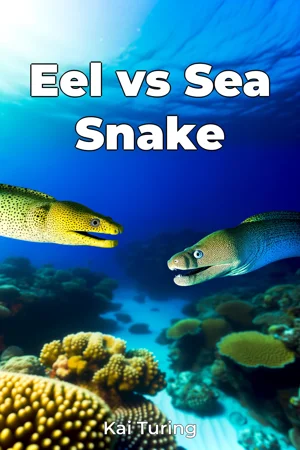
"Eel vs Sea Snake" delves into the sophisticated evolutionary pathways and adaptations that have shaped two distinct groups of elongated aquatic vertebrates. While both creatures navigate aquatic environments with seemingly similar body forms, their divergent evolutionary histories and biological characteristics reveal a fascinating study in convergent evolution. The book systematically examines three primary areas: morphological adaptations, behavioral patterns, and ecological roles. Through detailed comparative analysis, readers discover how eels, as true fish, developed their distinctive body plan over millions of years, while sea snakes evolved from terrestrial ancestors, creating parallel solutions to marine life challenges. Drawing from recent marine biology research, including genetic studies and behavioral observations, the text presents evidence-based distinctions between these organisms. The first section explores anatomical differences, from respiratory systems to locomotion mechanisms. Eels maintain their fish characteristics with gills and swim bladders, while sea snakes retained their reptilian lung structure, requiring regular surface breathing. The second section examines hunting strategies and predator-avoidance behaviors, highlighting how each group has developed unique approaches to survival. The book's central thesis demonstrates how similar environmental pressures can produce comparable body forms in unrelated species while maintaining fundamental biological differences. This concept is supported by extensive field research, including underwater videography, radio tracking studies, and laboratory analyses of physiological processes. Structured in four main parts, the text progresses from basic biology through ecological roles to conservation challenges. Each chapter incorporates current scientific data, including population studies, migration patterns, and breeding behaviors. The work connects multiple disciplines, linking evolutionary biology with marine ecology and environmental science, while examining the impacts of climate change on both groups. The research presentation combines data from long-term monitoring programs, marine biology institutions, and recent scientific expeditions. Technical concepts are explained through clear diagrams and detailed photographs, making complex biological processes accessible to readers with basic scientific knowledge. This book serves both academic and practical purposes, offering valuable insights for marine biologists, environmental scientists, and wildlife conservation professionals. The information proves particularly relevant for understanding marine ecosystem dynamics and developing effective conservation strategies. Written in a technical yet accessible style, the text maintains scientific accuracy while engaging readers through comparative analyses and real-world examples. The target audience includes undergraduate biology students, marine science professionals, and informed enthusiasts seeking detailed knowledge of marine vertebrate evolution. The scope encompasses both tropical and temperate species, examining various habitats from coral reefs to deep-sea environments. While focusing primarily on marine species, the book addresses freshwater eels to provide complete evolutionary context. Current debates in taxonomy and conservation status are addressed, particularly regarding species classification and the impacts of marine habitat degradation. The text presents multiple viewpoints on disputed topics while maintaining scientific objectivity. Practical applications include improved identification methods for field researchers, conservation planning strategies, and ecosystem management approaches. The book also discusses the implications of these species as biological indicators for marine ecosystem health. By examining these two groups of marine vertebrates, the text illuminates broader principles of evolution, adaptation, and marine ecosystem dynamics. This comprehensive comparison provides readers with a thorough understanding of how different evolutionary paths can lead to similar solutions in marine environments, while maintaining distinct biological identities.
"Eel vs Sea Snake" delves into the sophisticated evolutionary pathways and adaptations that have shaped two distinct groups of elongated aquatic vertebrates. While both creatures navigate aquatic environments with seemingly similar body forms, their divergent evolutionary histories and biological characteristics reveal a fascinating study in convergent evolution. The book systematically examines three primary areas: morphological adaptations, behavioral patterns, and ecological roles. Through detailed comparative analysis, readers discover how eels, as true fish, developed their distinctive body plan over millions of years, while sea snakes evolved from terrestrial ancestors, creating parallel solutions to marine life challenges. Drawing from recent marine biology research, including genetic studies and behavioral observations, the text presents evidence-based distinctions between these organisms. The first section explores anatomical differences, from respiratory systems to locomotion mechanisms. Eels maintain their fish characteristics with gills and swim bladders, while sea snakes retained their reptilian lung structure, requiring regular surface breathing. The second section examines hunting strategies and predator-avoidance behaviors, highlighting how each group has developed unique approaches to survival. The book's central thesis demonstrates how similar environmental pressures can produce comparable body forms in unrelated species while maintaining fundamental biological differences. This concept is supported by extensive field research, including underwater videography, radio tracking studies, and laboratory analyses of physiological processes. Structured in four main parts, the text progresses from basic biology through ecological roles to conservation challenges. Each chapter incorporates current scientific data, including population studies, migration patterns, and breeding behaviors. The work connects multiple disciplines, linking evolutionary biology with marine ecology and environmental science, while examining the impacts of climate change on both groups. The research presentation combines data from long-term monitoring programs, marine biology institutions, and recent scientific expeditions. Technical concepts are explained through clear diagrams and detailed photographs, making complex biological processes accessible to readers with basic scientific knowledge. This book serves both academic and practical purposes, offering valuable insights for marine biologists, environmental scientists, and wildlife conservation professionals. The information proves particularly relevant for understanding marine ecosystem dynamics and developing effective conservation strategies. Written in a technical yet accessible style, the text maintains scientific accuracy while engaging readers through comparative analyses and real-world examples. The target audience includes undergraduate biology students, marine science professionals, and informed enthusiasts seeking detailed knowledge of marine vertebrate evolution. The scope encompasses both tropical and temperate species, examining various habitats from coral reefs to deep-sea environments. While focusing primarily on marine species, the book addresses freshwater eels to provide complete evolutionary context. Current debates in taxonomy and conservation status are addressed, particularly regarding species classification and the impacts of marine habitat degradation. The text presents multiple viewpoints on disputed topics while maintaining scientific objectivity. Practical applications include improved identification methods for field researchers, conservation planning strategies, and ecosystem management approaches. The book also discusses the implications of these species as biological indicators for marine ecosystem health. By examining these two groups of marine vertebrates, the text illuminates broader principles of evolution, adaptation, and marine ecosystem dynamics. This comprehensive comparison provides readers with a thorough understanding of how different evolutionary paths can lead to similar solutions in marine environments, while maintaining distinct biological identities.
"Eel vs Sea Snake" offers a fascinating exploration of how two elongated aquatic creatures, despite their similar appearances, represent a remarkable case of convergent evolution in marine environments. The book masterfully compares these distinct vertebrate groups, revealing how they developed parallel solutions to underwater survival while maintaining their fundamental biological differences – eels as true fish with gills and swim bladders, and sea snakes as reptilian descendants requiring surface breathing. Through a systematic examination of morphological adaptations, behavioral patterns, and ecological roles, the text illuminates the sophisticated evolutionary pathways that shaped these creatures. Readers discover intriguing insights about their hunting strategies, predator-avoidance behaviors, and unique physiological adaptations. The book's comprehensive approach combines current scientific data from field research, underwater videography, and laboratory studies to present a complete picture of how these creatures function in their marine ecosystems. Progressing from basic biology through ecological roles to conservation challenges, the book bridges multiple scientific disciplines while remaining accessible to readers with basic scientific knowledge. The presentation of technical concepts is enhanced through clear diagrams and detailed photographs, making it valuable for both academic study and practical application in marine biology and conservation. By examining species from both tropical and temperate waters, the text provides a thorough understanding of marine ecosystem dynamics and the ongoing challenges these fascinating creatures face in changing oceanic environments.
Book Details
ISBN
9788233952969
Publisher
Publifye AS
Your Licenses
You don't own any licenses for this book
Purchase a license below to unlock this book and download the EPUB.
Purchase License
Select a tier to unlock this book
Need bulk licensing?
Contact us for enterprise agreements.