
About This Book
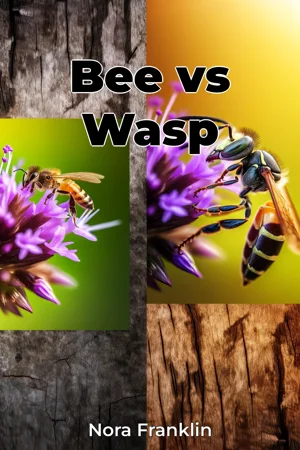
"Bee vs Wasp" presents a detailed comparative analysis of two of nature's most misunderstood insects, challenging common misconceptions and revealing the distinct ecological roles these creatures play in maintaining environmental balance. Through systematic research and field observations, this comprehensive guide illuminates the complex behaviors, social structures, and evolutionary adaptations that set bees and wasps apart. The book begins by addressing a fundamental question: Why do two seemingly similar insects exhibit such different behaviors and fulfill such distinct ecological niches? This investigation leads readers through three main sections: behavioral patterns, ecological impacts, and human interactions. Each section builds upon established research while incorporating recent findings from the fields of entomology, ecology, and evolutionary biology. Drawing from decades of scientific studies and contemporary research, the text examines the divergent evolutionary paths that led to the development of specialized features in both species. The first section details the social structures of various bee and wasp species, from solitary varieties to complex colonial organizations. This comparison reveals how different environmental pressures shaped their respective approaches to survival and reproduction. The second section focuses on ecological roles, particularly emphasizing the vital pollination services of bees versus the predatory pest control functions of wasps. The book presents evidence from agricultural studies and natural habitat observations to demonstrate how these insects contribute to ecosystem stability. This includes data from long-term field studies and recent research using advanced tracking technologies to map insect behaviors and movement patterns. The work maintains a balanced, scientific tone while remaining accessible to readers with basic biological knowledge. Technical concepts are carefully explained through clear examples and illustrations, making complex biological principles understandable to a general audience interested in natural sciences. Interdisciplinary connections are established with agriculture, climate science, and conservation biology. The text explores how changes in global temperature patterns affect bee and wasp populations, and by extension, impact crop yields and natural ecosystem balance. These connections demonstrate the broader implications of understanding these insects' behaviors and roles. The book addresses several ongoing debates in the field, including the impact of pesticides on bee populations versus wasp resilience, and the relative importance of different pollinators in maintaining biodiversity. It presents current research data and competing viewpoints while maintaining objective analysis. Practical applications include guidance for gardeners, farmers, and conservation efforts, with specific recommendations for supporting beneficial insect populations while managing potential conflicts with human activities. The text provides evidence-based strategies for creating insect-friendly environments and reducing negative interactions. The scope encompasses both wild and managed populations, focusing primarily on species commonly encountered in temperate regions while acknowledging global diversity. While comprehensive in its coverage of behavioral and ecological aspects, the book acknowledges limitations in current understanding of certain aspects of insect cognition and long-term evolutionary trajectories. Written for both professional naturalists and informed general readers, this work serves as a valuable resource for environmental educators, agricultural professionals, and anyone seeking to understand the crucial differences between these often-confused insects. The scientific accuracy is maintained throughout, supported by peer-reviewed research and current field studies, while remaining engaging and relevant to practical applications.
"Bee vs Wasp" presents a detailed comparative analysis of two of nature's most misunderstood insects, challenging common misconceptions and revealing the distinct ecological roles these creatures play in maintaining environmental balance. Through systematic research and field observations, this comprehensive guide illuminates the complex behaviors, social structures, and evolutionary adaptations that set bees and wasps apart. The book begins by addressing a fundamental question: Why do two seemingly similar insects exhibit such different behaviors and fulfill such distinct ecological niches? This investigation leads readers through three main sections: behavioral patterns, ecological impacts, and human interactions. Each section builds upon established research while incorporating recent findings from the fields of entomology, ecology, and evolutionary biology. Drawing from decades of scientific studies and contemporary research, the text examines the divergent evolutionary paths that led to the development of specialized features in both species. The first section details the social structures of various bee and wasp species, from solitary varieties to complex colonial organizations. This comparison reveals how different environmental pressures shaped their respective approaches to survival and reproduction. The second section focuses on ecological roles, particularly emphasizing the vital pollination services of bees versus the predatory pest control functions of wasps. The book presents evidence from agricultural studies and natural habitat observations to demonstrate how these insects contribute to ecosystem stability. This includes data from long-term field studies and recent research using advanced tracking technologies to map insect behaviors and movement patterns. The work maintains a balanced, scientific tone while remaining accessible to readers with basic biological knowledge. Technical concepts are carefully explained through clear examples and illustrations, making complex biological principles understandable to a general audience interested in natural sciences. Interdisciplinary connections are established with agriculture, climate science, and conservation biology. The text explores how changes in global temperature patterns affect bee and wasp populations, and by extension, impact crop yields and natural ecosystem balance. These connections demonstrate the broader implications of understanding these insects' behaviors and roles. The book addresses several ongoing debates in the field, including the impact of pesticides on bee populations versus wasp resilience, and the relative importance of different pollinators in maintaining biodiversity. It presents current research data and competing viewpoints while maintaining objective analysis. Practical applications include guidance for gardeners, farmers, and conservation efforts, with specific recommendations for supporting beneficial insect populations while managing potential conflicts with human activities. The text provides evidence-based strategies for creating insect-friendly environments and reducing negative interactions. The scope encompasses both wild and managed populations, focusing primarily on species commonly encountered in temperate regions while acknowledging global diversity. While comprehensive in its coverage of behavioral and ecological aspects, the book acknowledges limitations in current understanding of certain aspects of insect cognition and long-term evolutionary trajectories. Written for both professional naturalists and informed general readers, this work serves as a valuable resource for environmental educators, agricultural professionals, and anyone seeking to understand the crucial differences between these often-confused insects. The scientific accuracy is maintained throughout, supported by peer-reviewed research and current field studies, while remaining engaging and relevant to practical applications.
"Bee vs Wasp" offers a compelling exploration of two frequently misunderstood insects, delving deep into their distinct behaviors, social structures, and ecological roles. Through systematic research and field observations, the book illuminates how these seemingly similar creatures have evolved to occupy vastly different niches in our ecosystem, with bees primarily serving as pollinators while wasps often function as natural pest controllers. The book's journey begins with an examination of behavioral patterns and social structures, from solitary species to complex colonies, revealing how environmental pressures have shaped their evolution. Particularly fascinating is the detailed analysis of their divergent approaches to survival and reproduction, backed by decades of scientific research and contemporary studies using advanced tracking technologies. The text expertly balances technical accuracy with accessibility, making complex biological concepts understandable through clear examples and practical applications. As the narrative progresses, readers gain insight into these insects' crucial roles in maintaining ecosystem stability, with special attention paid to agricultural impacts and conservation challenges. The book addresses pressing environmental concerns, including the effects of climate change on insect populations and their subsequent impact on crop yields and biodiversity. For professionals and enthusiasts alike, this comprehensive guide provides evidence-based strategies for supporting beneficial insect populations while managing potential conflicts with human activities, making it an invaluable resource for understanding these essential creatures' place in our natural world.
Book Details
ISBN
9788233952907
Publisher
Publifye AS
Your Licenses
You don't own any licenses for this book
Purchase a license below to unlock this book and download the EPUB.
Purchase License
Select a tier to unlock this book
Need bulk licensing?
Contact us for enterprise agreements.