
About This Book
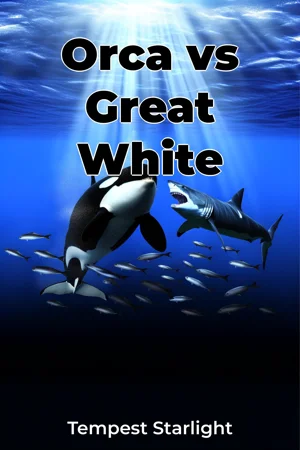
"Orca vs Great White" delves into the intricate dynamics of two apex predators that have shaped marine ecosystems for millions of years. Through detailed analysis of hunting behaviors, territorial patterns, and predator-prey relationships, this book examines how these sophisticated hunters have evolved to dominate their oceanic domains. The book presents three core themes: the comparative hunting strategies of orcas and great whites, their ecological impact on marine food webs, and the complex social behaviors that influence their predatory success. These topics provide readers with a comprehensive understanding of how these predators maintain ocean ecosystem balance and contribute to marine biodiversity. Drawing from decades of marine biology research, including underwater footage, satellite tracking data, and field observations, the text explores how these predators have adapted to their environments. The book establishes historical context through fossil records and evolutionary adaptations, demonstrating how both species developed their current hunting techniques over millions of years. The central thesis argues that while both orcas and great whites occupy the apex predator niche, they employ fundamentally different approaches to hunting, shaped by their distinct evolutionary paths and social structures. This understanding is crucial for marine conservation efforts and ecosystem management. The content progresses through systematic examination of each species. Initial chapters focus on physical attributes and sensory capabilities, followed by detailed analysis of hunting strategies. The middle section compares their social structures, with particular attention to orca pod dynamics versus the relatively solitary nature of great whites. The final chapters examine their ecological roles and interactions with human activities. Research evidence includes data from long-term population studies, acoustic monitoring, and behavioral observations. The book incorporates findings from international research teams, including previously unpublished data from recent field studies in various global locations. The work connects marine biology with behavioral ecology, evolutionary biology, and conservation science. It explores how climate change affects predator distribution patterns and discusses the implications for marine ecosystem management. Written in an accessible scientific style, the book maintains academic rigor while engaging general readers through narrative descriptions of hunting events and predator-prey interactions. Technical terms are clearly defined, making complex concepts understandable to non-specialists. The target audience includes marine biology students, wildlife enthusiasts, and conservation professionals. The book serves as both an academic reference and an informative read for those interested in marine predators. Within the biology and life sciences genres, the book adheres to scientific methodology while incorporating elements of nature writing to illustrate behavioral observations. The scope focuses specifically on hunting strategies and ecological roles, acknowledging that aspects of physiology and reproduction are covered only as they relate to predatory behavior. Practical applications include insights for marine protected area design, sustainable fishing practices, and eco-tourism guidelines. The book addresses ongoing debates about the relative hunting efficiency of both species and their potential competitive interactions in shared habitats. The text avoids sensationalism, instead focusing on documented behaviors and scientific evidence to present an objective comparison of these marine predators. This approach provides readers with a fact-based understanding of how these species influence ocean ecosystems and why their conservation is vital for marine biodiversity.
"Orca vs Great White" delves into the intricate dynamics of two apex predators that have shaped marine ecosystems for millions of years. Through detailed analysis of hunting behaviors, territorial patterns, and predator-prey relationships, this book examines how these sophisticated hunters have evolved to dominate their oceanic domains. The book presents three core themes: the comparative hunting strategies of orcas and great whites, their ecological impact on marine food webs, and the complex social behaviors that influence their predatory success. These topics provide readers with a comprehensive understanding of how these predators maintain ocean ecosystem balance and contribute to marine biodiversity. Drawing from decades of marine biology research, including underwater footage, satellite tracking data, and field observations, the text explores how these predators have adapted to their environments. The book establishes historical context through fossil records and evolutionary adaptations, demonstrating how both species developed their current hunting techniques over millions of years. The central thesis argues that while both orcas and great whites occupy the apex predator niche, they employ fundamentally different approaches to hunting, shaped by their distinct evolutionary paths and social structures. This understanding is crucial for marine conservation efforts and ecosystem management. The content progresses through systematic examination of each species. Initial chapters focus on physical attributes and sensory capabilities, followed by detailed analysis of hunting strategies. The middle section compares their social structures, with particular attention to orca pod dynamics versus the relatively solitary nature of great whites. The final chapters examine their ecological roles and interactions with human activities. Research evidence includes data from long-term population studies, acoustic monitoring, and behavioral observations. The book incorporates findings from international research teams, including previously unpublished data from recent field studies in various global locations. The work connects marine biology with behavioral ecology, evolutionary biology, and conservation science. It explores how climate change affects predator distribution patterns and discusses the implications for marine ecosystem management. Written in an accessible scientific style, the book maintains academic rigor while engaging general readers through narrative descriptions of hunting events and predator-prey interactions. Technical terms are clearly defined, making complex concepts understandable to non-specialists. The target audience includes marine biology students, wildlife enthusiasts, and conservation professionals. The book serves as both an academic reference and an informative read for those interested in marine predators. Within the biology and life sciences genres, the book adheres to scientific methodology while incorporating elements of nature writing to illustrate behavioral observations. The scope focuses specifically on hunting strategies and ecological roles, acknowledging that aspects of physiology and reproduction are covered only as they relate to predatory behavior. Practical applications include insights for marine protected area design, sustainable fishing practices, and eco-tourism guidelines. The book addresses ongoing debates about the relative hunting efficiency of both species and their potential competitive interactions in shared habitats. The text avoids sensationalism, instead focusing on documented behaviors and scientific evidence to present an objective comparison of these marine predators. This approach provides readers with a fact-based understanding of how these species influence ocean ecosystems and why their conservation is vital for marine biodiversity.
"Orca vs Great White" offers a captivating exploration of two ocean giants competing at the top of the marine food chain. Through comprehensive analysis of hunting behaviors, territorial patterns, and ecological impacts, the book reveals how these apex predators have evolved distinct strategies to dominate their oceanic domains. Drawing from decades of research, including underwater footage and satellite tracking data, it presents compelling evidence of how these magnificent creatures maintain crucial balance in marine ecosystems. The book systematically progresses from examining physical attributes and sensory capabilities to detailed analysis of hunting strategies, demonstrating how orcas' social pod dynamics contrast sharply with the solitary nature of great whites. Particularly fascinating are the revelations about their different approaches to hunting – while orcas employ coordinated group tactics, great whites rely on stealth and power. The text expertly weaves together findings from international research teams, including previously unpublished data from recent field studies. Written in an accessible yet scientifically rigorous style, this work serves both as an academic reference and an engaging read for wildlife enthusiasts. It effectively bridges marine biology with behavioral ecology and conservation science, offering practical insights for marine protected area design and sustainable fishing practices. What sets this book apart is its objective, evidence-based approach to comparing these predators, avoiding sensationalism while maintaining reader interest through detailed observations of predator-prey interactions and hunting events.
Book Details
ISBN
9788233952884
Publisher
Publifye AS
Your Licenses
You don't own any licenses for this book
Purchase a license below to unlock this book and download the EPUB.
Purchase License
Select a tier to unlock this book
Need bulk licensing?
Contact us for enterprise agreements.