
About This Book
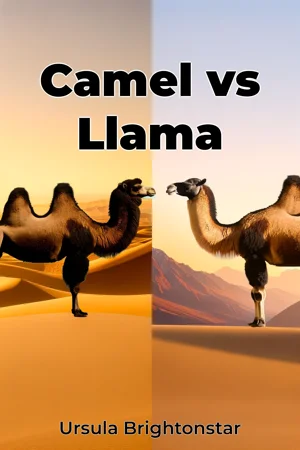
"Camel vs Llama" presents a detailed comparative analysis of two remarkable mammals that have shaped human civilization through their adaptations to extreme environments. The book examines how these species, despite evolving on different continents, developed parallel solutions to survive in challenging climates while becoming integral to human societies. The work is structured around three core themes: physiological adaptations, behavioral characteristics, and historical domestication patterns. Through detailed anatomical comparisons, readers discover how camels and llamas evolved distinct mechanisms for water conservation, temperature regulation, and high-altitude survival. The book demonstrates how these adaptations reflect convergent evolution in response to environmental pressures. Drawing from recent genetic studies, archaeological findings, and traditional ecological knowledge, the text provides comprehensive evidence for understanding these animals' evolutionary paths. The research incorporates data from long-term field studies in the Andes and various desert regions, offering readers insights into both wild and domesticated populations. The book's central argument emphasizes how these species represent prime examples of parallel evolution and human-animal partnerships across different continents. This thesis is supported through systematic comparison of anatomical features, including the camel's hump versus the llama's wool for energy storage, and their distinct foot structures adapted to their respective terrains. Chapter progression follows a logical sequence: first establishing the geological and climatic contexts of their native ranges, then examining physiological adaptations, followed by detailed analysis of their roles in human societies. The final sections explore current conservation status and future prospects for both species in changing environments. The work connects multiple disciplines, including evolutionary biology, anthropology, and climate science. These intersections help readers understand how environmental pressures shape species development and how human societies have utilized these animals' unique capabilities throughout history. The text maintains an academic yet accessible tone, incorporating detailed scientific explanations while remaining engaging for general readers interested in natural history. Technical concepts are clearly explained with relevant examples and illustrations, making complex biological principles comprehensible to non-specialists. This book serves various audiences, from biology students and researchers to wildlife enthusiasts and those interested in sustainable agriculture. It provides particular value to readers studying adaptive evolution, animal domestication, or sustainable livestock practices in challenging environments. The research methodology combines traditional scientific literature with current field studies and indigenous knowledge, offering a comprehensive view of both species. This approach allows readers to understand these animals from multiple perspectives, including scientific, historical, and cultural viewpoints. Practical applications discussed include sustainable livestock management in arid regions, conservation strategies, and potential roles these species might play in adapting to climate change. The book addresses current debates in conservation biology and the future of traditional herding practices in modern economies. Within its scope, the work focuses primarily on wild and domesticated populations of Camelus dromedarius, Camelus bactrianus, and Lama glama, with comparative references to related species. While comprehensive in its treatment of these specific animals, it acknowledges the broader context of camelid evolution and domestication patterns worldwide. The book fills a crucial gap in comparative biology literature by providing a detailed, evidence-based analysis of these economically and ecologically significant species, while avoiding sensationalism in favor of factual, well-researched content.
"Camel vs Llama" presents a detailed comparative analysis of two remarkable mammals that have shaped human civilization through their adaptations to extreme environments. The book examines how these species, despite evolving on different continents, developed parallel solutions to survive in challenging climates while becoming integral to human societies. The work is structured around three core themes: physiological adaptations, behavioral characteristics, and historical domestication patterns. Through detailed anatomical comparisons, readers discover how camels and llamas evolved distinct mechanisms for water conservation, temperature regulation, and high-altitude survival. The book demonstrates how these adaptations reflect convergent evolution in response to environmental pressures. Drawing from recent genetic studies, archaeological findings, and traditional ecological knowledge, the text provides comprehensive evidence for understanding these animals' evolutionary paths. The research incorporates data from long-term field studies in the Andes and various desert regions, offering readers insights into both wild and domesticated populations. The book's central argument emphasizes how these species represent prime examples of parallel evolution and human-animal partnerships across different continents. This thesis is supported through systematic comparison of anatomical features, including the camel's hump versus the llama's wool for energy storage, and their distinct foot structures adapted to their respective terrains. Chapter progression follows a logical sequence: first establishing the geological and climatic contexts of their native ranges, then examining physiological adaptations, followed by detailed analysis of their roles in human societies. The final sections explore current conservation status and future prospects for both species in changing environments. The work connects multiple disciplines, including evolutionary biology, anthropology, and climate science. These intersections help readers understand how environmental pressures shape species development and how human societies have utilized these animals' unique capabilities throughout history. The text maintains an academic yet accessible tone, incorporating detailed scientific explanations while remaining engaging for general readers interested in natural history. Technical concepts are clearly explained with relevant examples and illustrations, making complex biological principles comprehensible to non-specialists. This book serves various audiences, from biology students and researchers to wildlife enthusiasts and those interested in sustainable agriculture. It provides particular value to readers studying adaptive evolution, animal domestication, or sustainable livestock practices in challenging environments. The research methodology combines traditional scientific literature with current field studies and indigenous knowledge, offering a comprehensive view of both species. This approach allows readers to understand these animals from multiple perspectives, including scientific, historical, and cultural viewpoints. Practical applications discussed include sustainable livestock management in arid regions, conservation strategies, and potential roles these species might play in adapting to climate change. The book addresses current debates in conservation biology and the future of traditional herding practices in modern economies. Within its scope, the work focuses primarily on wild and domesticated populations of Camelus dromedarius, Camelus bactrianus, and Lama glama, with comparative references to related species. While comprehensive in its treatment of these specific animals, it acknowledges the broader context of camelid evolution and domestication patterns worldwide. The book fills a crucial gap in comparative biology literature by providing a detailed, evidence-based analysis of these economically and ecologically significant species, while avoiding sensationalism in favor of factual, well-researched content.
"Camel vs Llama" offers a fascinating exploration of two remarkable mammals that have independently evolved similar adaptations to extreme environments while becoming invaluable partners in human civilization. Through a comprehensive analysis of their physiological features, behavioral patterns, and domestication history, the book reveals how these species developed parallel solutions for survival despite evolving on different continents. The text masterfully weaves together multiple scientific disciplines, examining how camels and llamas adapted to their respective harsh environments through distinct mechanisms for water conservation and temperature regulation. Readers discover intriguing comparisons, such as how camels use their distinctive humps for energy storage while llamas developed specialized wool, and how both species evolved unique foot structures suited to their native terrains. The integration of recent genetic studies, archaeological findings, and traditional ecological knowledge provides a rich, multi-faceted understanding of these animals' evolutionary journeys. Moving from geological contexts to physiological adaptations and ultimately to human-animal relationships, the book maintains an accessible tone while delving into complex biological concepts. This approach makes it valuable for both academic audiences and general readers interested in natural history. The work's emphasis on practical applications, including sustainable livestock management and conservation strategies, particularly resonates with readers concerned about these species' roles in adapting to climate change.
Book Details
ISBN
9788233952877
Publisher
Publifye AS
Your Licenses
You don't own any licenses for this book
Purchase a license below to unlock this book and download the EPUB.
Purchase License
Select a tier to unlock this book
Need bulk licensing?
Contact us for enterprise agreements.