
About This Book
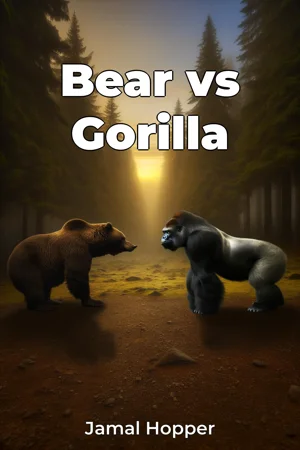
"Bear vs Gorilla" presents a rigorous scientific comparison of two apex species, examining their evolutionary adaptations, behavioral patterns, and ecological roles. Through detailed analysis of both species, this book illuminates the distinct ways these mammals have developed to become dominant forces in their respective environments. The book begins by establishing the evolutionary histories of bears and gorillas, tracing their divergent paths from common mammalian ancestors to their current forms. This foundation sets up the book's central thesis: that different environmental pressures have produced two distinct models of mammalian success, each optimized for their specific ecological niches. Through three main sections, the book systematically examines physical capabilities, social structures, and cognitive abilities. The first section analyzes anatomical features, including muscle composition, skeletal structure, and sensory capabilities, supported by recent biomechanical studies and field observations. The second explores social dynamics, contrasting the largely solitary nature of bears with the complex family groups of gorillas. The final section examines intelligence and problem-solving abilities, drawing from cognitive research and observational data. The research presented combines long-term field studies, laboratory analyses, and new data from GPS tracking and behavioral monitoring. Notable contributions include previously unpublished research from primate research centers and bear rehabilitation facilities, offering fresh insights into both species' capabilities. The book connects biology with ecological conservation, neuroscience, and evolutionary psychology. These interdisciplinary links help readers understand how environmental pressures shape species development and behavior, while also highlighting the importance of preserving these species' habitats. What distinguishes this work is its comparative approach, using parallel analysis methods to examine both species under the same scientific framework. This methodology reveals surprising similarities in problem-solving approaches despite vastly different social structures and habitats. Written in an academic yet accessible style, the text balances technical accuracy with clear explanations, making it suitable for both university-level biology students and informed general readers interested in mammalian behavior and evolution. The target audience includes wildlife biologists, conservation specialists, and students of animal behavior, though the book remains accessible to nature enthusiasts with a basic understanding of biology. It serves as both a comprehensive reference and an engaging exploration of mammalian adaptation. Following scientific writing conventions, each chapter includes detailed references, methodology explanations, and data visualizations. The scope focuses specifically on physical capabilities, social behavior, and cognitive functions, intentionally limiting coverage of other aspects to maintain depth in these core areas. The practical applications extend to wildlife management, conservation strategies, and animal behavior research methodologies. The book addresses current debates in behavioral biology, including questions about the measurement of animal intelligence and the role of social structures in cognitive development. Limitations are clearly acknowledged, particularly regarding gaps in current research and the challenges of making direct comparisons between species with different evolutionary histories. The book concludes by identifying areas requiring further research and discussing implications for conservation efforts. This is an evidence-based examination that provides readers with a comprehensive understanding of how these species represent different but equally successful evolutionary strategies, contributing to both academic knowledge and practical wildlife conservation efforts.
"Bear vs Gorilla" presents a rigorous scientific comparison of two apex species, examining their evolutionary adaptations, behavioral patterns, and ecological roles. Through detailed analysis of both species, this book illuminates the distinct ways these mammals have developed to become dominant forces in their respective environments. The book begins by establishing the evolutionary histories of bears and gorillas, tracing their divergent paths from common mammalian ancestors to their current forms. This foundation sets up the book's central thesis: that different environmental pressures have produced two distinct models of mammalian success, each optimized for their specific ecological niches. Through three main sections, the book systematically examines physical capabilities, social structures, and cognitive abilities. The first section analyzes anatomical features, including muscle composition, skeletal structure, and sensory capabilities, supported by recent biomechanical studies and field observations. The second explores social dynamics, contrasting the largely solitary nature of bears with the complex family groups of gorillas. The final section examines intelligence and problem-solving abilities, drawing from cognitive research and observational data. The research presented combines long-term field studies, laboratory analyses, and new data from GPS tracking and behavioral monitoring. Notable contributions include previously unpublished research from primate research centers and bear rehabilitation facilities, offering fresh insights into both species' capabilities. The book connects biology with ecological conservation, neuroscience, and evolutionary psychology. These interdisciplinary links help readers understand how environmental pressures shape species development and behavior, while also highlighting the importance of preserving these species' habitats. What distinguishes this work is its comparative approach, using parallel analysis methods to examine both species under the same scientific framework. This methodology reveals surprising similarities in problem-solving approaches despite vastly different social structures and habitats. Written in an academic yet accessible style, the text balances technical accuracy with clear explanations, making it suitable for both university-level biology students and informed general readers interested in mammalian behavior and evolution. The target audience includes wildlife biologists, conservation specialists, and students of animal behavior, though the book remains accessible to nature enthusiasts with a basic understanding of biology. It serves as both a comprehensive reference and an engaging exploration of mammalian adaptation. Following scientific writing conventions, each chapter includes detailed references, methodology explanations, and data visualizations. The scope focuses specifically on physical capabilities, social behavior, and cognitive functions, intentionally limiting coverage of other aspects to maintain depth in these core areas. The practical applications extend to wildlife management, conservation strategies, and animal behavior research methodologies. The book addresses current debates in behavioral biology, including questions about the measurement of animal intelligence and the role of social structures in cognitive development. Limitations are clearly acknowledged, particularly regarding gaps in current research and the challenges of making direct comparisons between species with different evolutionary histories. The book concludes by identifying areas requiring further research and discussing implications for conservation efforts. This is an evidence-based examination that provides readers with a comprehensive understanding of how these species represent different but equally successful evolutionary strategies, contributing to both academic knowledge and practical wildlife conservation efforts.
"Bear vs Gorilla" presents a fascinating scientific exploration of two remarkable mammalian species, examining how different evolutionary paths have produced equally successful survival strategies. Through methodical comparison of their physical capabilities, social structures, and cognitive abilities, the book reveals how environmental pressures have shaped these apex species into masters of their respective domains. The book's systematic approach begins with an evolutionary foundation before diving into three main sections that analyze everything from muscle composition to problem-solving abilities. What makes this work particularly valuable is its use of fresh research data, including unpublished findings from primate research centers and bear rehabilitation facilities. The parallel analysis method illuminates surprising similarities between these species despite their vastly different lifestyles and habitats. Drawing from a rich combination of long-term field studies, laboratory analyses, and modern tracking technology, the book bridges multiple scientific disciplines to create a comprehensive understanding of both species. While maintaining academic rigor, the accessible writing style makes complex concepts digestible for both university students and wildlife enthusiasts. The work not only contributes to our scientific knowledge but also emphasizes the critical importance of habitat preservation for these remarkable mammals, making it relevant for both academic study and practical conservation efforts.
Book Details
ISBN
9788233952754
Publisher
Publifye AS
Your Licenses
You don't own any licenses for this book
Purchase a license below to unlock this book and download the EPUB.
Purchase License
Select a tier to unlock this book
Need bulk licensing?
Contact us for enterprise agreements.