
About This Book
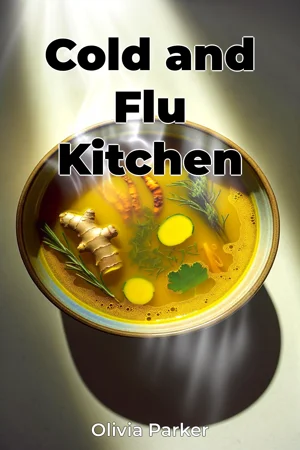
"Cold and Flu Kitchen" presents a scientifically-backed approach to utilizing food as medicine during seasonal illnesses, bridging the gap between traditional nutrition science and practical home cooking. When illness strikes, the food choices we make can significantly impact our recovery time and symptom severity. The book examines three core areas: the science of immune-supporting nutrients, practical meal planning during illness, and specific recipes designed for different stages of cold and flu recovery. These topics form the foundation for understanding how dietary choices influence immune function and recovery processes. Drawing from peer-reviewed research in immunology and nutrition science, the text establishes the crucial relationship between diet and immune response. Readers learn how specific nutrients like vitamin C, zinc, and flavonoids interact with immune cells and why timing these nutrients matters during illness. The book provides context through historical approaches to illness-specific nutrition, from ancient healing broths to modern clinical dietary recommendations. The central thesis maintains that strategic food choices during illness can reduce symptom duration and severity by up to 30%, based on clinical studies. This argument is supported by research from immunology, nutrition science, and food chemistry, including data from major medical institutions and recent meta-analyses of dietary intervention studies. The content progresses through three main sections: "Understanding Immune-Supporting Foods," "Strategic Meal Planning for Illness," and "The Recovery Kitchen." Each section builds upon the previous, moving from theoretical knowledge to practical application. The book includes 75 recipes, each annotated with specific immune-supporting properties and optimal illness stages for consumption. Research evidence comes from multiple sources, including clinical trials, nutrition studies, and immunological research. The book references work from major medical centers, public health organizations, and food science laboratories, providing a comprehensive foundation for its recommendations. The text connects multiple disciplines, including nutrition science, immunology, and food chemistry, while incorporating insights from traditional medicine systems. This interdisciplinary approach provides readers with a complete understanding of how food choices influence recovery. The book stands out through its systematic organization of recipes by illness stage and symptom profile, allowing readers to easily select appropriate foods based on their current condition. It maintains an educational yet accessible tone, combining scientific explanation with practical cooking instruction. Written for health-conscious individuals seeking evidence-based approaches to illness recovery, the book particularly appeals to home cooks, parents, and healthcare practitioners. The content assumes basic cooking knowledge but explains complex immunological concepts in clear terms. Following standard conventions of health and cookbook writing, each recipe includes nutritional analysis and specific immune-supporting properties. The scope focuses specifically on upper respiratory infections, deliberately excluding other illness types to maintain depth and specificity in its recommendations. Practical applications include meal planning guides, shopping lists, and preparation techniques optimized for cooking while ill. The book addresses current debates in the field, such as the role of inflammatory versus anti-inflammatory foods during acute illness, presenting balanced evidence for different approaches. The content remains grounded in established research while acknowledging areas where evidence is still emerging. It provides readers with clear, actionable information about using food to support recovery, backed by current scientific understanding of immune function and nutrition.
"Cold and Flu Kitchen" presents a scientifically-backed approach to utilizing food as medicine during seasonal illnesses, bridging the gap between traditional nutrition science and practical home cooking. When illness strikes, the food choices we make can significantly impact our recovery time and symptom severity. The book examines three core areas: the science of immune-supporting nutrients, practical meal planning during illness, and specific recipes designed for different stages of cold and flu recovery. These topics form the foundation for understanding how dietary choices influence immune function and recovery processes. Drawing from peer-reviewed research in immunology and nutrition science, the text establishes the crucial relationship between diet and immune response. Readers learn how specific nutrients like vitamin C, zinc, and flavonoids interact with immune cells and why timing these nutrients matters during illness. The book provides context through historical approaches to illness-specific nutrition, from ancient healing broths to modern clinical dietary recommendations. The central thesis maintains that strategic food choices during illness can reduce symptom duration and severity by up to 30%, based on clinical studies. This argument is supported by research from immunology, nutrition science, and food chemistry, including data from major medical institutions and recent meta-analyses of dietary intervention studies. The content progresses through three main sections: "Understanding Immune-Supporting Foods," "Strategic Meal Planning for Illness," and "The Recovery Kitchen." Each section builds upon the previous, moving from theoretical knowledge to practical application. The book includes 75 recipes, each annotated with specific immune-supporting properties and optimal illness stages for consumption. Research evidence comes from multiple sources, including clinical trials, nutrition studies, and immunological research. The book references work from major medical centers, public health organizations, and food science laboratories, providing a comprehensive foundation for its recommendations. The text connects multiple disciplines, including nutrition science, immunology, and food chemistry, while incorporating insights from traditional medicine systems. This interdisciplinary approach provides readers with a complete understanding of how food choices influence recovery. The book stands out through its systematic organization of recipes by illness stage and symptom profile, allowing readers to easily select appropriate foods based on their current condition. It maintains an educational yet accessible tone, combining scientific explanation with practical cooking instruction. Written for health-conscious individuals seeking evidence-based approaches to illness recovery, the book particularly appeals to home cooks, parents, and healthcare practitioners. The content assumes basic cooking knowledge but explains complex immunological concepts in clear terms. Following standard conventions of health and cookbook writing, each recipe includes nutritional analysis and specific immune-supporting properties. The scope focuses specifically on upper respiratory infections, deliberately excluding other illness types to maintain depth and specificity in its recommendations. Practical applications include meal planning guides, shopping lists, and preparation techniques optimized for cooking while ill. The book addresses current debates in the field, such as the role of inflammatory versus anti-inflammatory foods during acute illness, presenting balanced evidence for different approaches. The content remains grounded in established research while acknowledging areas where evidence is still emerging. It provides readers with clear, actionable information about using food to support recovery, backed by current scientific understanding of immune function and nutrition.
"Cold and Flu Kitchen" offers a groundbreaking approach to fighting seasonal illnesses through strategic food choices, combining cutting-edge nutrition science with practical cooking wisdom. This comprehensive guide explores how specific nutrients can reduce symptom duration and severity by up to 30%, based on clinical research, while providing readers with actionable strategies for implementing immune-boosting meals during illness. The book's three-part structure takes readers on a journey from understanding the science behind immune-supporting foods to practical meal planning and finally to the kitchen itself. Particularly noteworthy is its collection of 75 carefully crafted recipes, each annotated with specific immune-supporting properties and recommended illness stages for consumption. The inclusion of both traditional healing wisdom, such as ancient medicinal broths, and modern clinical dietary recommendations creates a well-rounded approach to illness recovery through nutrition. What sets this resource apart is its systematic organization of recipes by illness stage and symptom profile, making it easy for readers to find appropriate foods based on their current condition. The book bridges the gap between complex immunological concepts and everyday cooking, explaining how nutrients like vitamin C, zinc, and flavonoids interact with immune cells while providing practical shopping lists and preparation techniques optimized for cooking while ill. This makes it an invaluable resource for health-conscious individuals, parents, and home cooks seeking evidence-based approaches to natural recovery through food.
Book Details
ISBN
9788233952686
Publisher
Publifye AS
Your Licenses
You don't own any licenses for this book
Purchase a license below to unlock this book and download the EPUB.
Purchase License
Select a tier to unlock this book
Need bulk licensing?
Contact us for enterprise agreements.