
About This Book
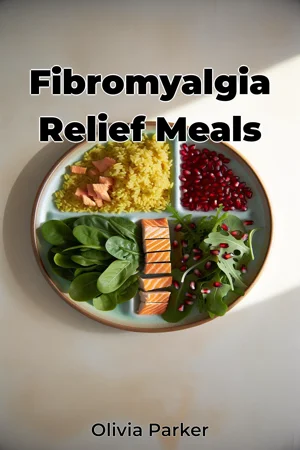
"Fibromyalgia Relief Meals" bridges the gap between nutrition science and chronic pain management, offering readers a comprehensive approach to managing inflammation and muscle pain through dietary choices. This evidence-based guide presents practical solutions for individuals seeking natural ways to enhance their energy levels and reduce discomfort through strategic meal planning. The book begins by examining the biochemical relationship between inflammation and chronic pain conditions, particularly fibromyalgia. Drawing from current medical research, it explains how specific nutrients interact with the body's inflammatory response system and pain receptors. This foundation helps readers understand the scientific principles behind food choices and their impact on muscle pain and fatigue. Three core sections form the book's framework: The first explores anti-inflammatory ingredients and their therapeutic properties, supported by peer-reviewed studies and clinical trials. The second section presents a collection of 75 recipes specifically designed to incorporate these beneficial ingredients. The third section provides meal planning strategies and shopping guides to help readers implement these dietary changes effectively. The content is grounded in research from rheumatology, nutrition science, and pain management studies. It includes data from recent clinical studies on dietary interventions for chronic pain conditions and references work from leading inflammation researchers and pain specialists. The book maintains scientific accuracy while presenting information in an accessible format for readers without medical backgrounds. Key topics include: - The role of omega-3 fatty acids, antioxidants, and specific phytonutrients in pain reduction - Strategic combination of ingredients to maximize anti-inflammatory effects - Timing of meals for optimal energy management - Elimination and reintroduction protocols to identify trigger foods The book connects multiple disciplines, including nutritional science, pain medicine, and culinary arts. It demonstrates how these fields intersect to create practical solutions for chronic pain management. The approach is methodical, presenting both the theoretical framework and practical applications of anti-inflammatory eating. Written in a clear, instructional style, the content alternates between educational sections and practical guides. Each recipe includes notes on specific therapeutic benefits and potential modifications for various dietary restrictions. The book acknowledges the individualized nature of inflammatory responses and provides options for personalizing recommendations. The target audience includes individuals with fibromyalgia and chronic pain conditions, as well as healthcare providers and nutritionists seeking evidence-based dietary interventions for pain management. The content is particularly relevant for readers who prefer natural approaches to symptom management or wish to complement existing medical treatments. The book addresses ongoing debates in the field of nutritional therapy for chronic pain, including the role of elimination diets and the varying impact of nightshade vegetables. It presents multiple viewpoints while maintaining focus on evidence-based recommendations. Practical applications extend beyond recipe preparation to include meal timing strategies, shopping guides, and batch cooking instructions. The book provides tools for readers to create sustainable dietary changes that fit their lifestyle and energy levels. Limitations are clearly stated, noting that dietary changes are one component of a comprehensive pain management strategy. The book emphasizes the importance of working with healthcare providers and maintaining prescribed medical treatments while implementing dietary modifications. This resource fills a specific niche in health and cooking literature by combining scientific rigor with practical culinary applications, offering readers both understanding and actionable steps toward managing chronic pain through nutrition.
"Fibromyalgia Relief Meals" bridges the gap between nutrition science and chronic pain management, offering readers a comprehensive approach to managing inflammation and muscle pain through dietary choices. This evidence-based guide presents practical solutions for individuals seeking natural ways to enhance their energy levels and reduce discomfort through strategic meal planning. The book begins by examining the biochemical relationship between inflammation and chronic pain conditions, particularly fibromyalgia. Drawing from current medical research, it explains how specific nutrients interact with the body's inflammatory response system and pain receptors. This foundation helps readers understand the scientific principles behind food choices and their impact on muscle pain and fatigue. Three core sections form the book's framework: The first explores anti-inflammatory ingredients and their therapeutic properties, supported by peer-reviewed studies and clinical trials. The second section presents a collection of 75 recipes specifically designed to incorporate these beneficial ingredients. The third section provides meal planning strategies and shopping guides to help readers implement these dietary changes effectively. The content is grounded in research from rheumatology, nutrition science, and pain management studies. It includes data from recent clinical studies on dietary interventions for chronic pain conditions and references work from leading inflammation researchers and pain specialists. The book maintains scientific accuracy while presenting information in an accessible format for readers without medical backgrounds. Key topics include: - The role of omega-3 fatty acids, antioxidants, and specific phytonutrients in pain reduction - Strategic combination of ingredients to maximize anti-inflammatory effects - Timing of meals for optimal energy management - Elimination and reintroduction protocols to identify trigger foods The book connects multiple disciplines, including nutritional science, pain medicine, and culinary arts. It demonstrates how these fields intersect to create practical solutions for chronic pain management. The approach is methodical, presenting both the theoretical framework and practical applications of anti-inflammatory eating. Written in a clear, instructional style, the content alternates between educational sections and practical guides. Each recipe includes notes on specific therapeutic benefits and potential modifications for various dietary restrictions. The book acknowledges the individualized nature of inflammatory responses and provides options for personalizing recommendations. The target audience includes individuals with fibromyalgia and chronic pain conditions, as well as healthcare providers and nutritionists seeking evidence-based dietary interventions for pain management. The content is particularly relevant for readers who prefer natural approaches to symptom management or wish to complement existing medical treatments. The book addresses ongoing debates in the field of nutritional therapy for chronic pain, including the role of elimination diets and the varying impact of nightshade vegetables. It presents multiple viewpoints while maintaining focus on evidence-based recommendations. Practical applications extend beyond recipe preparation to include meal timing strategies, shopping guides, and batch cooking instructions. The book provides tools for readers to create sustainable dietary changes that fit their lifestyle and energy levels. Limitations are clearly stated, noting that dietary changes are one component of a comprehensive pain management strategy. The book emphasizes the importance of working with healthcare providers and maintaining prescribed medical treatments while implementing dietary modifications. This resource fills a specific niche in health and cooking literature by combining scientific rigor with practical culinary applications, offering readers both understanding and actionable steps toward managing chronic pain through nutrition.
"Fibromyalgia Relief Meals" presents a groundbreaking approach to managing chronic pain and fatigue through strategic nutrition and meal planning. This comprehensive guide bridges the gap between cutting-edge nutritional science and practical dietary solutions, offering readers a clear understanding of how specific foods can influence inflammation and pain levels in the body. The book's unique strength lies in its evidence-based approach, combining insights from rheumatology, nutrition science, and pain management research while maintaining accessibility for readers without medical backgrounds. The book progresses logically through three main sections, starting with a thorough exploration of anti-inflammatory ingredients and their therapeutic properties. It then presents 75 carefully crafted recipes that incorporate these beneficial components, followed by practical meal planning strategies and shopping guides. Readers learn about the crucial role of omega-3 fatty acids, antioxidants, and specific phytonutrients in pain reduction, while gaining practical knowledge about combining ingredients for maximum anti-inflammatory effects. What sets this resource apart is its holistic approach to dietary intervention for fibromyalgia management. Rather than simply providing recipes, it offers a complete educational framework that helps readers understand the science behind their food choices. The book acknowledges the individualized nature of inflammatory responses and includes modifications for various dietary restrictions, making it an invaluable resource for both individuals with fibromyalgia and healthcare providers seeking evidence-based dietary interventions for pain management.
Book Details
ISBN
9788233952655
Publisher
Publifye AS
Your Licenses
You don't own any licenses for this book
Purchase a license below to unlock this book and download the EPUB.
Purchase License
Select a tier to unlock this book
Need bulk licensing?
Contact us for enterprise agreements.