
About This Book
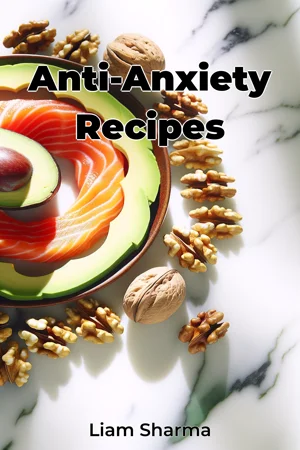
"Anti-Anxiety Recipes" bridges the crucial gap between nutrition science and mental well-being, revealing how specific dietary choices can significantly impact our stress levels and cognitive function. This research-based guide explores the biochemical connections between food and mood, offering readers practical solutions for managing anxiety through mindful eating. The book centers on three core principles: the neurochemical impact of nutrients on brain function, the gut-brain connection in emotional regulation, and the role of anti-inflammatory foods in reducing stress responses. These interconnected themes form the foundation for understanding how dietary modifications can create meaningful changes in mental health. Drawing from peer-reviewed research in nutritional psychiatry and neuroscience, the work presents evidence-based connections between specific nutrients and neurotransmitter production. Readers learn how compounds like omega-3 fatty acids, magnesium, and B-vitamins directly influence the brain's stress response mechanisms. The book includes detailed analyses of over 50 foods, their nutrient profiles, and their specific effects on anxiety reduction and cognitive performance. The content is structured in three main sections. Part one establishes the scientific framework, explaining how different foods affect brain chemistry and stress hormone production. Part two presents detailed meal plans and recipes, categorized by their primary benefits: stress reduction, sleep improvement, and mental clarity enhancement. Part three focuses on implementation, offering practical strategies for incorporating these foods into daily life, including shopping guides and meal prep techniques. Throughout the book, research findings from institutions such as the Harvard School of Public Health and the National Institutes of Health support the recommendations. Clinical studies demonstrating the impact of dietary interventions on anxiety levels provide empirical backing for the suggested approaches. The work connects multiple disciplines, including nutritional science, psychology, and biochemistry, while maintaining accessibility for general readers. It incorporates insights from chronobiology to explain optimal timing for certain foods and explores emerging research in microbiome science regarding gut health's influence on mental state. Written in a clear, instructional style, the book balances technical information with practical application. Each chapter includes summary points, action items, and troubleshooting guides for common challenges in dietary modification. The target audience includes individuals seeking natural approaches to anxiety management, health professionals looking to expand their therapeutic toolkits, and anyone interested in the relationship between diet and mental health. The book addresses both immediate stress relief through food choices and long-term strategies for maintaining emotional balance through nutrition. While comprehensive in its coverage of food-mood connections, the book acknowledges its limitations, noting that dietary changes should complement, not replace, professional mental health care when needed. It addresses current debates in nutritional science, such as the role of carbohydrates in mood regulation and the impact of organic versus conventional foods on stress response. The practical application extends beyond recipe preparation, incorporating meal timing strategies, food combining principles, and methods for adapting recommendations to different lifestyles and dietary restrictions. Special attention is given to building sustainable habits rather than promoting quick fixes. This guide stands out through its systematic approach to connecting specific foods with mental health outcomes, providing readers with both the scientific reasoning and practical tools needed to implement dietary changes for reduced anxiety and improved mental clarity.
"Anti-Anxiety Recipes" bridges the crucial gap between nutrition science and mental well-being, revealing how specific dietary choices can significantly impact our stress levels and cognitive function. This research-based guide explores the biochemical connections between food and mood, offering readers practical solutions for managing anxiety through mindful eating. The book centers on three core principles: the neurochemical impact of nutrients on brain function, the gut-brain connection in emotional regulation, and the role of anti-inflammatory foods in reducing stress responses. These interconnected themes form the foundation for understanding how dietary modifications can create meaningful changes in mental health. Drawing from peer-reviewed research in nutritional psychiatry and neuroscience, the work presents evidence-based connections between specific nutrients and neurotransmitter production. Readers learn how compounds like omega-3 fatty acids, magnesium, and B-vitamins directly influence the brain's stress response mechanisms. The book includes detailed analyses of over 50 foods, their nutrient profiles, and their specific effects on anxiety reduction and cognitive performance. The content is structured in three main sections. Part one establishes the scientific framework, explaining how different foods affect brain chemistry and stress hormone production. Part two presents detailed meal plans and recipes, categorized by their primary benefits: stress reduction, sleep improvement, and mental clarity enhancement. Part three focuses on implementation, offering practical strategies for incorporating these foods into daily life, including shopping guides and meal prep techniques. Throughout the book, research findings from institutions such as the Harvard School of Public Health and the National Institutes of Health support the recommendations. Clinical studies demonstrating the impact of dietary interventions on anxiety levels provide empirical backing for the suggested approaches. The work connects multiple disciplines, including nutritional science, psychology, and biochemistry, while maintaining accessibility for general readers. It incorporates insights from chronobiology to explain optimal timing for certain foods and explores emerging research in microbiome science regarding gut health's influence on mental state. Written in a clear, instructional style, the book balances technical information with practical application. Each chapter includes summary points, action items, and troubleshooting guides for common challenges in dietary modification. The target audience includes individuals seeking natural approaches to anxiety management, health professionals looking to expand their therapeutic toolkits, and anyone interested in the relationship between diet and mental health. The book addresses both immediate stress relief through food choices and long-term strategies for maintaining emotional balance through nutrition. While comprehensive in its coverage of food-mood connections, the book acknowledges its limitations, noting that dietary changes should complement, not replace, professional mental health care when needed. It addresses current debates in nutritional science, such as the role of carbohydrates in mood regulation and the impact of organic versus conventional foods on stress response. The practical application extends beyond recipe preparation, incorporating meal timing strategies, food combining principles, and methods for adapting recommendations to different lifestyles and dietary restrictions. Special attention is given to building sustainable habits rather than promoting quick fixes. This guide stands out through its systematic approach to connecting specific foods with mental health outcomes, providing readers with both the scientific reasoning and practical tools needed to implement dietary changes for reduced anxiety and improved mental clarity.
"Anti-Anxiety Recipes" offers a groundbreaking exploration of the intricate relationship between nutrition and mental well-being, particularly focusing on how dietary choices can significantly impact anxiety levels and cognitive function. This comprehensive guide bridges cutting-edge nutrition science with practical applications, revealing how specific foods influence brain chemistry and emotional regulation through the gut-brain connection. Drawing from extensive research in nutritional psychiatry, the book presents evidence-based connections between nutrients like omega-3 fatty acids, magnesium, and B-vitamins and their direct effects on stress response mechanisms. The book's unique three-part structure makes complex scientific concepts accessible to general readers while providing actionable solutions. Beginning with a solid scientific foundation explaining the biochemical relationships between food and mood, it progresses to detailed meal plans and over 50 targeted recipes designed for specific benefits such as stress reduction, improved sleep, and enhanced mental clarity. The final section focuses on practical implementation, offering readers concrete strategies for incorporating these beneficial foods into their daily routines. What sets this guide apart is its systematic approach to combining nutritional science with real-world application. While maintaining scientific rigor through references to studies from prestigious institutions, it presents information in an approachable format complete with troubleshooting guides and adaptation strategies for different lifestyles. The book acknowledges that dietary changes should complement rather than replace professional mental health care, providing a balanced perspective on natural anxiety management through mindful eating and nutritional awareness.
Book Details
ISBN
9788233952471
Publisher
Publifye AS
Your Licenses
You don't own any licenses for this book
Purchase a license below to unlock this book and download the EPUB.
Purchase License
Select a tier to unlock this book
Need bulk licensing?
Contact us for enterprise agreements.