
About This Book
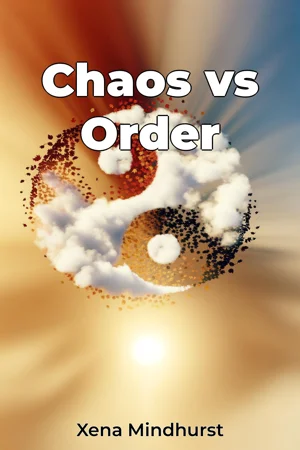
"Chaos vs Order" explores the fundamental tension between disorganization and structure in human psychology, beginning with a compelling examination of how the average person spends 2.5 hours daily searching for misplaced items and managing disorganization—a subtle yet significant drain on mental resources and productivity. The book presents three core themes: the neuropsychological impact of environmental order versus chaos, the relationship between physical organization and mental clarity, and the measurable effects of structured living on decision-making capabilities. Drawing from organizational psychology research spanning the past four decades, it demonstrates how our physical environment directly influences cognitive function, stress levels, and overall well-being. The central thesis argues that the human brain operates optimally within organized systems while requiring elements of controlled chaos for creativity and innovation. This dynamic interplay forms the foundation for understanding how different organizational styles affect various personality types and cognitive processes. The content progresses through systematic analysis, beginning with the neuroscience of organization and chaos. Chapter sections examine workplace efficiency studies, home environment research, and time-management data from leading institutions. The book integrates findings from cognitive psychology, neurobiology, and organizational behavior to present a comprehensive framework for understanding how order and disorder affect human behavior. Research evidence includes longitudinal studies from organizational psychology labs, real-world case studies of productivity transformation, and neuroimaging data showing brain activity patterns in organized versus chaotic environments. The methodology combines quantitative research with qualitative observations from clinical settings and workplace studies. The work connects multiple disciplines, linking organizational psychology with neuroscience, behavioral economics, and environmental psychology. These intersections provide readers with a multifaceted understanding of how physical organization influences mental processes and decision-making capabilities. The book's unique approach lies in its integration of seemingly contradictory findings—acknowledging both the benefits of structured systems and the creative potential of controlled chaos. It presents a balanced perspective that challenges the one-size-fits-all approach to organization. Written in an analytical yet accessible style, the text combines academic research with practical applications, using clear language to convey complex psychological concepts. The target audience includes professionals seeking to optimize their work environment, individuals struggling with organization, and practitioners in organizational psychology and related fields. The scope encompasses both personal and professional environments, though it primarily focuses on contexts where individuals have direct control over their surroundings. The book provides practical frameworks for readers to assess their organizational needs and implement appropriate strategies based on their cognitive style and daily requirements. Addressing current debates in the field, the work examines controversies surrounding minimalism versus abundance, digital versus physical organization, and the role of chaos in creative processes. It presents evidence-based solutions while acknowledging that optimal organization levels vary among individuals and contexts. This comprehensive examination of organization and chaos in human psychology offers readers both theoretical understanding and practical tools for improving their relationship with order and disorder in their lives.
"Chaos vs Order" explores the fundamental tension between disorganization and structure in human psychology, beginning with a compelling examination of how the average person spends 2.5 hours daily searching for misplaced items and managing disorganization—a subtle yet significant drain on mental resources and productivity. The book presents three core themes: the neuropsychological impact of environmental order versus chaos, the relationship between physical organization and mental clarity, and the measurable effects of structured living on decision-making capabilities. Drawing from organizational psychology research spanning the past four decades, it demonstrates how our physical environment directly influences cognitive function, stress levels, and overall well-being. The central thesis argues that the human brain operates optimally within organized systems while requiring elements of controlled chaos for creativity and innovation. This dynamic interplay forms the foundation for understanding how different organizational styles affect various personality types and cognitive processes. The content progresses through systematic analysis, beginning with the neuroscience of organization and chaos. Chapter sections examine workplace efficiency studies, home environment research, and time-management data from leading institutions. The book integrates findings from cognitive psychology, neurobiology, and organizational behavior to present a comprehensive framework for understanding how order and disorder affect human behavior. Research evidence includes longitudinal studies from organizational psychology labs, real-world case studies of productivity transformation, and neuroimaging data showing brain activity patterns in organized versus chaotic environments. The methodology combines quantitative research with qualitative observations from clinical settings and workplace studies. The work connects multiple disciplines, linking organizational psychology with neuroscience, behavioral economics, and environmental psychology. These intersections provide readers with a multifaceted understanding of how physical organization influences mental processes and decision-making capabilities. The book's unique approach lies in its integration of seemingly contradictory findings—acknowledging both the benefits of structured systems and the creative potential of controlled chaos. It presents a balanced perspective that challenges the one-size-fits-all approach to organization. Written in an analytical yet accessible style, the text combines academic research with practical applications, using clear language to convey complex psychological concepts. The target audience includes professionals seeking to optimize their work environment, individuals struggling with organization, and practitioners in organizational psychology and related fields. The scope encompasses both personal and professional environments, though it primarily focuses on contexts where individuals have direct control over their surroundings. The book provides practical frameworks for readers to assess their organizational needs and implement appropriate strategies based on their cognitive style and daily requirements. Addressing current debates in the field, the work examines controversies surrounding minimalism versus abundance, digital versus physical organization, and the role of chaos in creative processes. It presents evidence-based solutions while acknowledging that optimal organization levels vary among individuals and contexts. This comprehensive examination of organization and chaos in human psychology offers readers both theoretical understanding and practical tools for improving their relationship with order and disorder in their lives.
"Chaos vs Order" delves into the fascinating relationship between organization and disorder in human psychology, revealing how our physical environment profoundly impacts our mental capabilities and overall well-being. The book uncovers the startling fact that the average person loses 2.5 hours daily to managing disorganization, while exploring how different organizational styles can either enhance or impede cognitive function, depending on individual personality types and circumstances. Through a careful blend of neuroscience, organizational psychology, and behavioral research spanning four decades, the book challenges the common assumption that complete order is always beneficial. Instead, it presents a nuanced view of how the brain operates optimally within organized systems while simultaneously requiring elements of controlled chaos for creativity and innovation. The author expertly weaves together findings from workplace efficiency studies, neuroimaging data, and environmental psychology to create a comprehensive understanding of how our surroundings affect our mental processes. Beginning with the neurological foundations of organization and chaos, the book progresses through practical applications in workplace and home environments, culminating in evidence-based strategies for optimizing one's space and routines. What sets this work apart is its balanced approach, acknowledging that while structure is crucial for productivity, some degree of disorder may actually enhance creative thinking and problem-solving abilities. The book provides readers with practical frameworks to assess their organizational needs and implement personalized strategies, making it an invaluable resource for professionals, individuals struggling with organization, and anyone interested in the psychology of environmental order.
Book Details
ISBN
9788233952389
Publisher
Publifye AS
Your Licenses
You don't own any licenses for this book
Purchase a license below to unlock this book and download the EPUB.
Purchase License
Select a tier to unlock this book
Need bulk licensing?
Contact us for enterprise agreements.