
About This Book
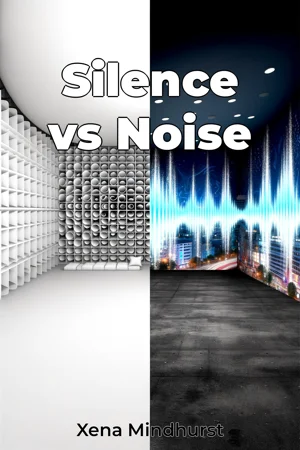
"Silence vs Noise" examines the intricate relationship between acoustic environments and human cognitive function, beginning with a fundamental question: How do different sound levels reshape our mental landscape? This research-based exploration delves into the neuroscience of auditory processing and its profound impact on human performance. The book presents three core themes: the physiological effects of sound on brain function, the psychological mechanisms of concentration in varying acoustic environments, and the societal implications of our increasingly noise-filled world. Through extensive laboratory studies and real-world observations, readers discover how different sound levels influence everything from decision-making to emotional regulation. Drawing from decades of acoustic research, including landmark studies from the World Health Organization and leading university laboratories, the work establishes a comprehensive framework for understanding sound's impact on human cognition. The analysis incorporates data from workplace productivity studies, educational research, and urban planning initiatives to create a multifaceted view of acoustic environments. The central thesis argues that our relationship with sound is far more complex than previously understood, with both silence and specific types of noise serving distinct cognitive purposes. The book challenges the common assumption that silence is always beneficial and all noise is detrimental, presenting evidence for optimal sound environments based on task type and individual differences. Throughout four main sections, the work examines: the neuroscience of auditory processing, the role of different sound frequencies in cognitive performance, adaptation mechanisms to varying noise levels, and practical applications for creating productive acoustic environments. Each chapter builds upon empirical research while maintaining accessibility for non-specialist readers. The methodology combines traditional acoustic measurements with modern neuroimaging techniques, providing readers with both quantitative data and qualitative insights. The research draws from multiple disciplines, including cognitive psychology, urban planning, and architectural acoustics, creating a rich interdisciplinary perspective. The book connects to environmental psychology, workplace design, and public health, demonstrating how sound management influences well-being across various settings. These connections help readers understand the broader implications of acoustic environments beyond individual experience. Written in a clear, methodical style, the text balances technical accuracy with practical application. While maintaining scientific rigor, it provides actionable insights for readers from various backgrounds, including professionals in workplace design, educators, and individuals seeking to optimize their personal environments. The target audience includes professionals in cognitive science, architectural design, and workplace management, as well as general readers interested in improving their focus and productivity through environmental optimization. The book serves both as a comprehensive reference for specialists and an accessible guide for practical application. Within the science and psychology genres, the work adheres to rigorous research standards while presenting findings in an engaging, applicable format. It addresses current debates in acoustic design and cognitive enhancement, including controversies surrounding open-plan offices and urban noise regulations. The scope encompasses both controlled laboratory findings and real-world applications, though it primarily focuses on cognitive and emotional responses rather than physical health effects. Each chapter concludes with practical recommendations for implementing research findings in various settings. This work provides readers with evidence-based strategies for creating optimal acoustic environments, whether in professional, educational, or personal spaces. It addresses ongoing debates about noise pollution and cognitive performance while maintaining a balanced, research-focused approach to these complex issues.
"Silence vs Noise" examines the intricate relationship between acoustic environments and human cognitive function, beginning with a fundamental question: How do different sound levels reshape our mental landscape? This research-based exploration delves into the neuroscience of auditory processing and its profound impact on human performance. The book presents three core themes: the physiological effects of sound on brain function, the psychological mechanisms of concentration in varying acoustic environments, and the societal implications of our increasingly noise-filled world. Through extensive laboratory studies and real-world observations, readers discover how different sound levels influence everything from decision-making to emotional regulation. Drawing from decades of acoustic research, including landmark studies from the World Health Organization and leading university laboratories, the work establishes a comprehensive framework for understanding sound's impact on human cognition. The analysis incorporates data from workplace productivity studies, educational research, and urban planning initiatives to create a multifaceted view of acoustic environments. The central thesis argues that our relationship with sound is far more complex than previously understood, with both silence and specific types of noise serving distinct cognitive purposes. The book challenges the common assumption that silence is always beneficial and all noise is detrimental, presenting evidence for optimal sound environments based on task type and individual differences. Throughout four main sections, the work examines: the neuroscience of auditory processing, the role of different sound frequencies in cognitive performance, adaptation mechanisms to varying noise levels, and practical applications for creating productive acoustic environments. Each chapter builds upon empirical research while maintaining accessibility for non-specialist readers. The methodology combines traditional acoustic measurements with modern neuroimaging techniques, providing readers with both quantitative data and qualitative insights. The research draws from multiple disciplines, including cognitive psychology, urban planning, and architectural acoustics, creating a rich interdisciplinary perspective. The book connects to environmental psychology, workplace design, and public health, demonstrating how sound management influences well-being across various settings. These connections help readers understand the broader implications of acoustic environments beyond individual experience. Written in a clear, methodical style, the text balances technical accuracy with practical application. While maintaining scientific rigor, it provides actionable insights for readers from various backgrounds, including professionals in workplace design, educators, and individuals seeking to optimize their personal environments. The target audience includes professionals in cognitive science, architectural design, and workplace management, as well as general readers interested in improving their focus and productivity through environmental optimization. The book serves both as a comprehensive reference for specialists and an accessible guide for practical application. Within the science and psychology genres, the work adheres to rigorous research standards while presenting findings in an engaging, applicable format. It addresses current debates in acoustic design and cognitive enhancement, including controversies surrounding open-plan offices and urban noise regulations. The scope encompasses both controlled laboratory findings and real-world applications, though it primarily focuses on cognitive and emotional responses rather than physical health effects. Each chapter concludes with practical recommendations for implementing research findings in various settings. This work provides readers with evidence-based strategies for creating optimal acoustic environments, whether in professional, educational, or personal spaces. It addresses ongoing debates about noise pollution and cognitive performance while maintaining a balanced, research-focused approach to these complex issues.
"Silence vs Noise" explores the fascinating relationship between sound environments and human cognitive function, challenging conventional wisdom about the simple dichotomy between beneficial silence and harmful noise. Through a methodical examination of neuroscience, cognitive psychology, and environmental research, the book reveals how different acoustic environments profoundly impact our mental performance, emotional regulation, and decision-making capabilities. The book progresses through four main sections, starting with the fundamentals of auditory processing in the brain and advancing to practical applications in workplace and urban design. Drawing from extensive research, including World Health Organization studies and university laboratories, it presents compelling evidence that our relationship with sound is more nuanced than previously thought. Some types of noise can actually enhance cognitive performance for specific tasks, while complete silence isn't always the optimal solution for productivity. This comprehensive work stands out for its interdisciplinary approach, combining insights from cognitive science, architectural acoustics, and environmental psychology. The authors maintain scientific rigor while offering practical, actionable strategies for creating optimal sound environments. Whether discussing workplace productivity, educational settings, or personal spaces, the book provides evidence-based recommendations that readers can apply to their own environments. The integration of modern neuroimaging data with traditional acoustic measurements offers readers a cutting-edge understanding of how our brains process and adapt to different sound environments.
Book Details
ISBN
9788233952358
Publisher
Publifye AS
Your Licenses
You don't own any licenses for this book
Purchase a license below to unlock this book and download the EPUB.
Purchase License
Select a tier to unlock this book
Need bulk licensing?
Contact us for enterprise agreements.